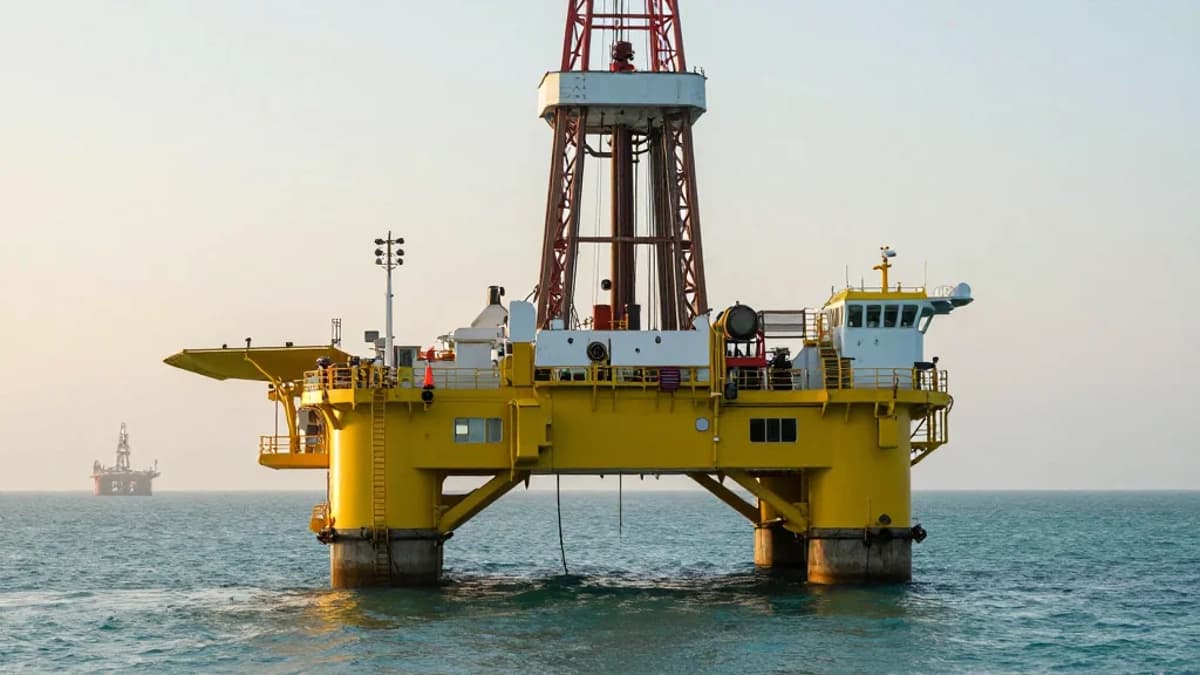
Borr Drilling Downs Crews on Gulf Jackups After Regional Hostilities
•March 10, 2026
0
Companies Mentioned
Why It Matters
The reduced staffing and temporary shutdown highlight heightened geopolitical risk to offshore drilling in the Gulf, potentially affecting supply contracts and regional energy output. Investors and customers will monitor the situation for impacts on project timelines and cost structures.
Key Takeaways
- •Three jack‑up rigs down‑manned in Qatar, UAE.
- •Arabia III shut down after platform incident, crew evacuated safely.
- •All regional personnel accounted for, no injuries reported.
- •Rigs remain under contract and fully insured.
- •Operations on standby pending security improvements.
Pulse Analysis
The Arabian Gulf remains a cornerstone of global hydrocarbon production, hosting a dense network of offshore platforms that feed both regional and international markets. In recent weeks, escalating tensions between neighboring states have translated into tangible operational challenges for service providers, most notably jack‑up drilling contractors. Borr Drilling Ltd., a mid‑size offshore driller with a fleet of four jack‑up rigs in the Gulf, disclosed that three vessels have been placed on reduced staffing as a precautionary response. This move underscores how quickly geopolitical flashpoints can disrupt the logistical backbone of oil and gas extraction.
The incident on March 7 involving the Arabia III rig illustrates the heightened safety protocols that operators now enforce. When a customer‑operated platform reported an anomaly, Borr Drilling initiated an immediate shutdown and evacuated the crew without injury, demonstrating effective emergency response and compliance with industry standards. The company also emphasized that all affected rigs remain under active contracts and are fully insured, mitigating financial exposure for both the operator and its clients. Such safeguards are increasingly vital as insurers reassess risk premiums in volatile regions.
From an investor perspective, the temporary standby status of three jack‑up rigs translates into short‑term revenue compression for Borr Drilling, while also signaling broader supply‑chain vulnerabilities in the Gulf. Energy firms that rely on these rigs may need to re‑schedule projects or seek alternative contractors, potentially driving up drilling costs and extending timelines. In the longer run, the episode may accelerate discussions on risk diversification, including greater reliance on more stable basins or the adoption of remote‑operated technologies that reduce crew exposure. Monitoring the security environment will therefore remain a key factor in forecasting offshore drilling activity in the region.
Borr Drilling downs crews on Gulf jackups after regional hostilities
0
Comments
Want to join the conversation?
Loading comments...