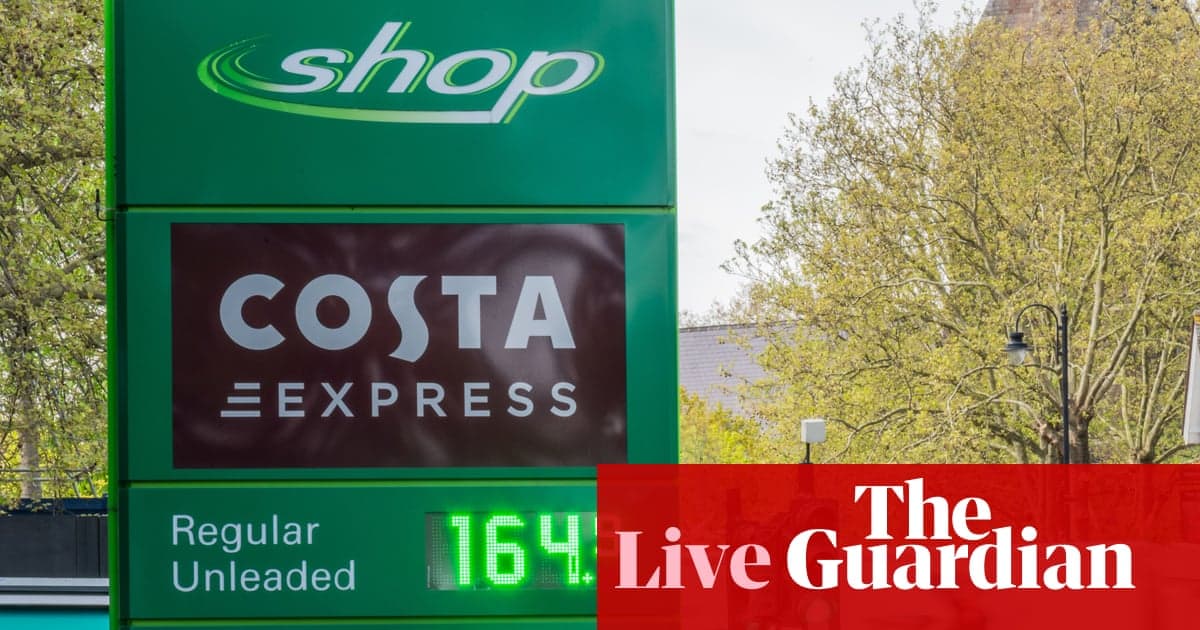
BP Reports ‘Horrifying’ Jump in Profits as Iran War Boosts Oil Trading; Brent Crude Hits Three-Week High – Business Live
Companies Mentioned
Why It Matters
The profit jump highlights how geopolitical shocks can rapidly inflate energy earnings, while the UK’s decision to keep a steep windfall tax shows policymakers trying to balance corporate gains with fiscal pressures on households and public finances.
Key Takeaways
- •BP Q1 2026 profit nearly $3.2 bn, double prior quarter
- •Iran conflict drove Brent crude to three‑week high, boosting trading margins
- •UK keeps 38% windfall tax, lifting effective rate to 78% domestically
- •Analysts warn BP’s profit boost may be short‑lived amid production disruptions
- •Higher oil prices push UK gilt yields toward 2008‑era levels
Pulse Analysis
BP’s first‑quarter earnings jumped to almost $3.2 billion, roughly double the $1.54 billion posted in the previous quarter. The surge stems from a sharp rise in oil and gas prices after the Iran‑Israel conflict erupted in late February, sending Brent crude to a three‑week peak. Higher spot prices amplified BP’s trading book, while the company’s Gulf of America and U.S. on‑shore assets maintained steady output. New CEO Meg O’Neill highlighted the “environment of conflict and complexity” but stressed that operational reliability kept the business on track toward its 2027 targets.
In London, the Treasury reaffirmed the Energy Profits Levy, a 38 % windfall tax that lifts the effective tax burden on UK‑produced oil and gas to about 78 %. The policy aims to capture a share of the windfall earnings while funding energy‑support schemes for households. Meanwhile, UK gilt yields have climbed to 5.02 %, the highest since the 2008 crisis, as higher oil prices threaten fiscal balances and inflation. The bond market’s reaction underscores the tightrope policymakers walk between revenue generation and maintaining debt sustainability.
Despite the headline‑grabbing numbers, analysts caution that BP’s profit boost may be fleeting. Production in the Middle East remains constrained by infrastructure damage, and flat output could blunt future earnings even if prices stay elevated. Investors are therefore watching the company’s hedging strategy and capital‑expenditure plans closely, as any prolonged disruption could erode margins. The broader energy sector faces similar volatility, prompting a reassessment of risk‑adjusted returns and highlighting the importance of diversified exposure for portfolios navigating geopolitically‑driven price swings.
BP reports ‘horrifying’ jump in profits as Iran war boosts oil trading; Brent crude hits three-week high – business live
Comments
Want to join the conversation?
Loading comments...