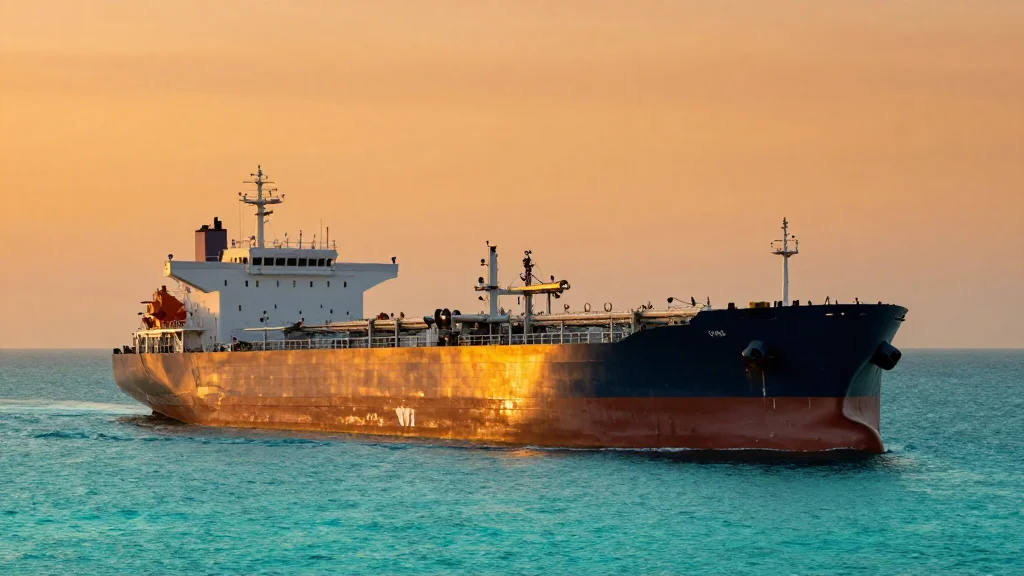
Brent Closes Near Wartime High on Blockade Fears
Why It Matters
A potential Hormuz shutdown threatens to choke a third of the world’s oil flow, forcing producers and consumers to reassess supply strategies and price risk. The episode highlights the fragility of global energy security and may prompt policy responses such as reserve releases or output tweaks.
Key Takeaways
- •Brent crude nears $90 per barrel, highest since early war
- •Hormuz blockage risk tightens global oil supply, boosting prices
- •OPEC+ may adjust output to stabilize market amid geopolitical tension
- •Shipping insurers raise premiums as tanker routes face heightened security threats
- •US strategic petroleum reserve drawdown considered to offset supply shock
Pulse Analysis
The recent surge in Brent crude to near‑wartime highs reflects a classic supply‑shock narrative, where geopolitical flashpoints translate directly into price spikes. The Strait of Hormuz, through which roughly 20% of global oil passes, has become a focal point for risk‑averse investors. Even the mere prospect of a near‑closure has prompted traders to bid up futures, reinforcing the market’s sensitivity to maritime security concerns. This dynamic mirrors past episodes where regional conflicts amplified volatility, reminding stakeholders that physical bottlenecks can outweigh macro‑economic fundamentals in the short term.
Energy producers and policymakers are now weighing a range of tactical responses. OPEC+ members, already navigating a delicate balance between supporting prices and avoiding demand erosion, may consider incremental output cuts to cushion the market. Meanwhile, the United States is evaluating a strategic petroleum reserve drawdown to inject liquidity and temper price spikes, a move that could set a precedent for future geopolitical disruptions. Shipping firms are also adjusting, with insurers hiking premiums for tanker routes that skirt the Persian Gulf, adding cost layers that reverberate through the supply chain. These actions illustrate how a single chokepoint can trigger a cascade of strategic decisions across the oil ecosystem.
Looking ahead, the Hormuz risk underscores the urgency for diversified energy pathways. Nations are accelerating investments in alternative routes, such as the Red Sea‑Suez corridor and overland pipelines, while also fast‑tracking renewable integration to reduce reliance on volatile fossil‑fuel imports. In the longer term, the episode may accelerate discussions on strategic stockpiles, demand‑side management, and geopolitical risk hedging, reshaping how the global energy market prepares for future supply shocks.
Brent Closes Near Wartime High on Blockade Fears
Comments
Want to join the conversation?
Loading comments...