Energy News and Headlines
  • All Technology
  • AI
  • Autonomy
  • B2B Growth
  • Big Data
  • BioTech
  • ClimateTech
  • Consumer Tech
  • Crypto
  • Cybersecurity
  • DevOps
  • Digital Marketing
  • Ecommerce
  • EdTech
  • Enterprise
  • FinTech
  • GovTech
  • Hardware
  • HealthTech
  • HRTech
  • LegalTech
  • Nanotech
  • PropTech
  • Quantum
  • Robotics
  • SaaS
  • SpaceTech
AllNewsDealsSocialBlogsVideosPodcastsDigests

Energy Pulse

EMAIL DIGESTS

Daily

Every morning

Weekly

Sunday recap

NewsDealsSocialBlogsVideosPodcasts
EnergyNewsBritish Gas Boss Warns UK Electricity Bills Will Soar by 2030
British Gas Boss Warns UK Electricity Bills Will Soar by 2030
Global EconomyEnergy

British Gas Boss Warns UK Electricity Bills Will Soar by 2030

•February 13, 2026
0
OilPrice.com – Main
OilPrice.com – Main•Feb 13, 2026

Why It Matters

Rising system costs threaten consumer affordability and could undermine the UK’s net‑zero transition, pressuring policymakers to balance investment with price stability.

Key Takeaways

  • •UK electricity prices projected above 2022 peak by 2030
  • •System costs represent two‑thirds of future price increase
  • •£28bn grid upgrade approved; total pipeline could reach £90bn
  • •Household bills may rise £108 annually by 2031
  • •Under‑investment blamed for rising infrastructure costs

Pulse Analysis

The looming electricity price spike reflects a broader structural challenge for the UK energy market. While the government’s ambition to modernise the grid is essential for integrating offshore wind and meeting net‑zero targets, the financing model relies heavily on network charges passed directly to consumers. This approach amplifies the cost burden on households already coping with volatile wholesale markets, creating a political dilemma for energy ministers who have pledged bill reductions.

Investors and utilities are also watching the £28 billion initial spend as a signal of the sector’s capital intensity. If the full £90 billion pipeline proceeds, it will demand sustained funding streams, potentially attracting private capital but also raising questions about return expectations and regulatory risk. System costs—encompassing new pylons, cables, and digital controls—are projected to dominate the price equation, dwarfing traditional generation expenses and reshaping the economics of both fossil‑fuel and renewable projects.

For businesses and consumers alike, the forecast underscores the importance of demand‑side management and energy efficiency measures. Companies may accelerate adoption of smart‑metering, on‑site generation, and storage to hedge against rising tariffs. Meanwhile, policymakers must consider targeted subsidies or tiered pricing to protect vulnerable households while still delivering the infrastructure needed for a resilient, low‑carbon grid. Balancing these priorities will be critical to maintaining public support for the energy transition.

British Gas Boss Warns UK Electricity Bills Will Soar by 2030

By City A.M · Feb 13 2026, 2:00 PM CST

Electricity bills will be higher in 2030 than in the wake of the Russian invasion of Ukraine, the boss of British Gas has warned, as the government pushes through major upgrades to the UK’s grid infrastructure.

Chris O’Shea, chief executive of British Gas‑owner Centrica, said the UK was playing catch‑up after years of under‑investment, and now faced significantly higher costs.

“We’ve underinvested in the system for many years, and whether it’s the cost of building a new gas‑fired power station or a new wind farm, the costs have gone up,” he said at an event hosted by the Energy Institute.

“Our projections show that the UK energy system will be one where, by 2030, the electricity price will be higher than it was at the peak of the Russian invasion of Ukraine,” he added.

O’Shea said two‑thirds of the costs would be on system costs while the remaining third would be wholesale costs.

“Those system costs aren’t net‑zero costs,” he said. “They are addressing years and years of under‑investment and whether we went for net zero or new fossil fuels, we would need to incur those system costs.”

Electricity bills to rise for grid upgrades

His comments highlight the challenges facing the government in bringing down the cost of electricity bills while also upgrading the UK’s outdated grid infrastructure.

Last year Britain’s network companies were given the green light to spend £28 billion on upgrading the gas and electricity grids, forming the first part of a wider investment pipeline which could cost around £90 billion if approved.

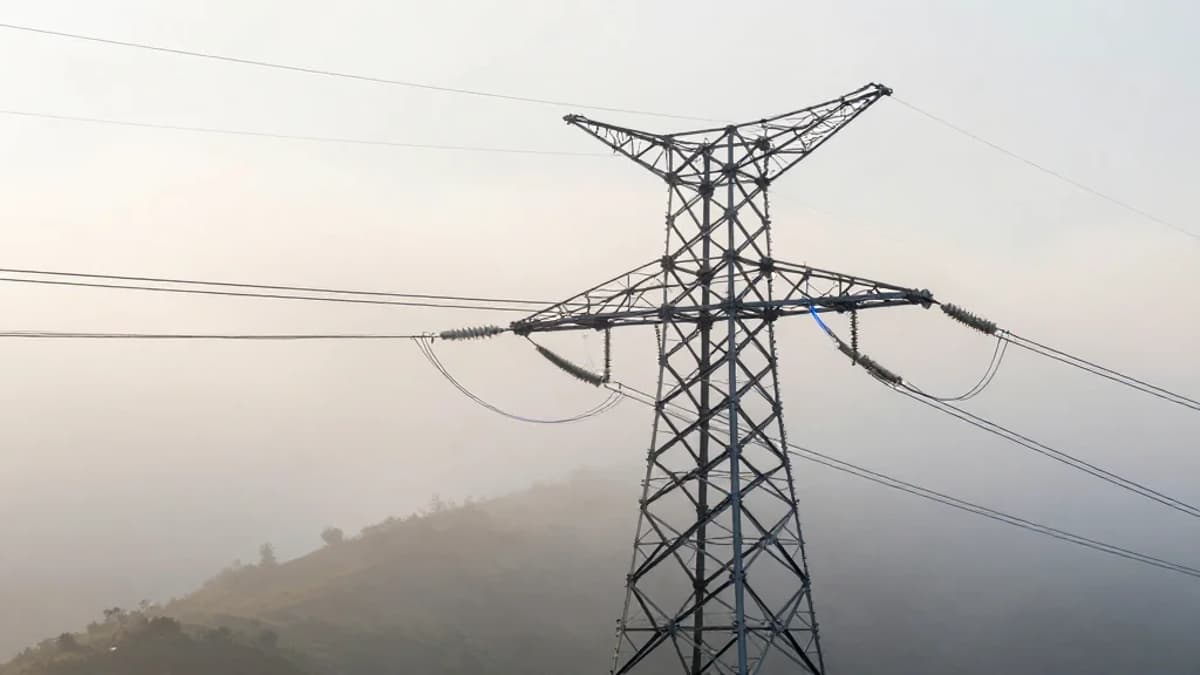
The investment will go towards new pylons and cables to connect with wind farms being constructed around the British coastline. It will primarily be funded through higher network charges on household energy bills.

Ofgem estimates that this will add £108 a year to bills by 2031, threatening energy secretary Ed Miliband’s pledge to bring down average energy bills by around £300 before the end of the decade.

Claire Coutinho, shadow energy secretary, said: “If gas went to zero, bills would still rise because Ed Miliband is building a system that is incredibly expensive. Despite having an undeniably radical policy, he has never forecast the impact of his plans on your bills.”

By City A.M

Read Original Article
0

Comments

Want to join the conversation?

Loading comments...