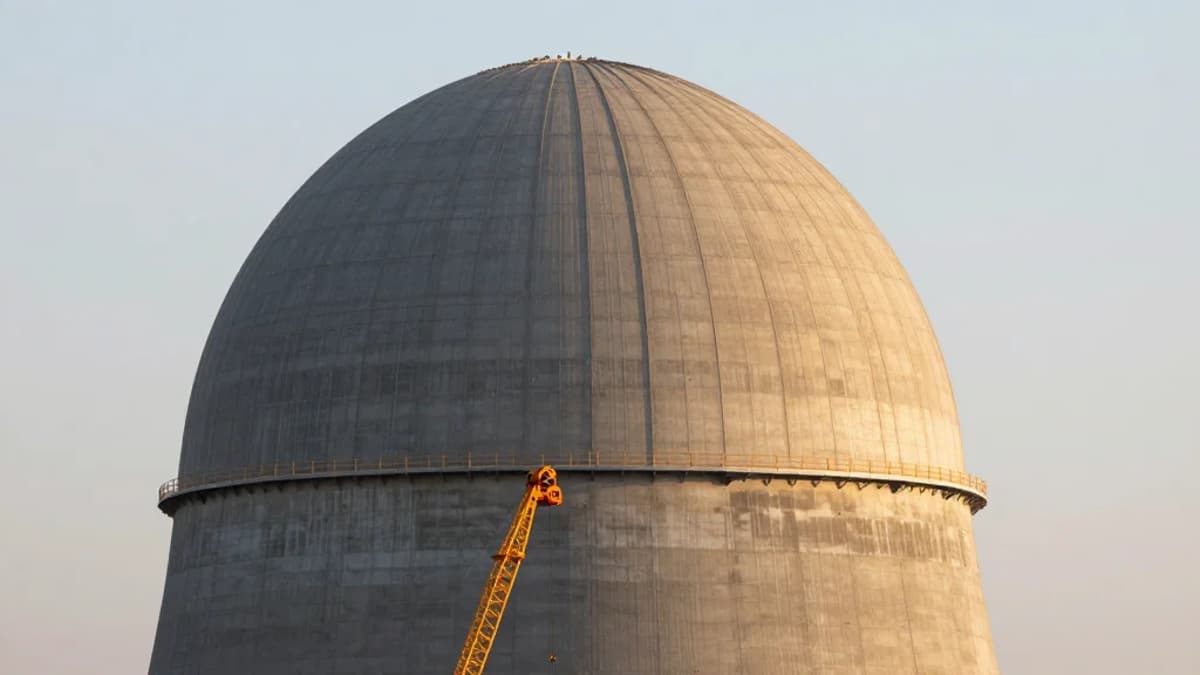
British Nuclear Power Plant Hinkley Point C Faces Further Delays and Rising Costs - Nuclear Power Costs at Least 15 Cents per Kilowatt-Hour
•February 24, 2026
0
Why It Matters
The delay and cost surge strain EDF’s finances and raise questions about the economic viability of large‑scale nuclear in the UK’s low‑carbon strategy.
Key Takeaways
- •Completion delayed to 2030, 13-year build.
- •Project cost now £48bn (~€55bn).
- •EDF balance sheet hit €2.5bn for one-year delay.
- •Strike price £127/MWh (~15c/kWh) for 35 years.
- •Inflation‑linked CfD makes nuclear price higher than renewables.
Pulse Analysis
The Hinkley Point C postponement underscores the growing complexity of megaprojects in the nuclear sector. Since groundbreaking in 2017, the Somerset site has wrestled with intricate electromechanical installations, especially piping and cabling, which have eroded productivity and extended the schedule. Each delay not only pushes the first unit’s commissioning further into the future but also inflates financing costs, as capital must be tied up longer than anticipated. This pattern mirrors challenges seen in other European nuclear builds, where technical hurdles often outpace original timelines.
Financially, the cost escalation to £48 billion – roughly €55 billion in current terms – represents a substantial overrun from the 2015 estimate. EDF now faces an immediate €2.5 billion hit for the latest one‑year slip, with the potential for additional billions if further postponements occur. The plant’s Contract for Difference guarantees a strike price of £127/MWh, equating to just under 15 cents per kilowatt‑hour, indexed to inflation for 35 years. While this provides revenue certainty, it also locks in a relatively high electricity price compared with renewable schemes, prompting scrutiny from policymakers and investors about the cost‑competitiveness of new nuclear capacity.
Strategically, the delay reverberates across the UK’s decarbonisation roadmap, where Hinkley Point C was slated to supply a significant share of low‑carbon baseload power. The extended timeline and rising costs may accelerate interest in alternative low‑carbon options such as offshore wind, battery storage, and small modular reactors, which promise shorter construction periods and lower upfront capital. Moreover, the inflation‑linked CfD structure highlights a policy tension: ensuring investor confidence while avoiding long‑term price burdens on consumers. As the UK evaluates its future energy mix, the Hinkley experience will likely shape how governments structure financing, risk allocation, and contractual terms for the next generation of nuclear projects.
British Nuclear Power Plant Hinkley Point C Faces Further Delays and Rising Costs - Nuclear Power Costs at Least 15 Cents per Kilowatt-Hour
0
Comments
Want to join the conversation?
Loading comments...