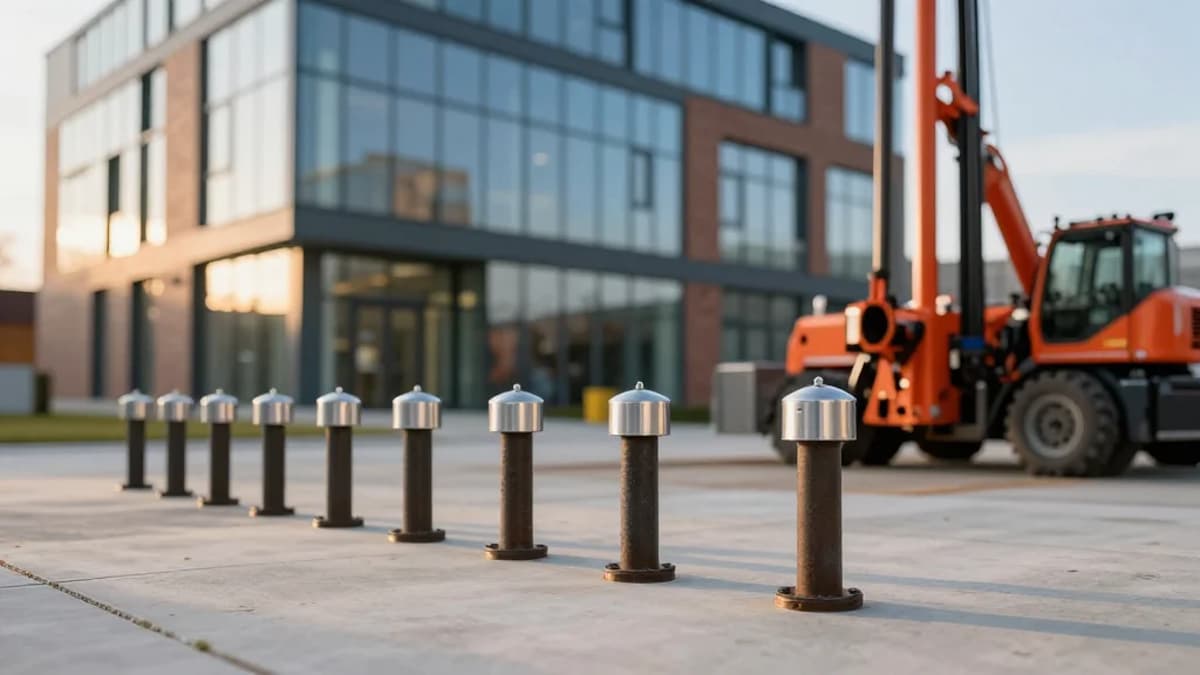
Brooklyn Project Shows Feasibility of Using Geothermal in Dense Urban Areas
•March 3, 2026
0
Why It Matters
The project proves geothermal can be financially viable in dense urban settings, accelerating clean‑heat adoption and influencing policy incentives.
Key Takeaways
- •Largest NYC district geothermal project completed
- •$4.52M in public incentives funded system
- •153 bore wells, 500‑ft depth installed in six months
- •Lifecycle costs lower than conventional HVAC
- •New drilling tech expands urban feasibility
Pulse Analysis
The 1515 Surf Avenue development showcases how strategic financing can bridge the gap between high upfront geothermal costs and long‑term savings. By tapping New York’s community heat‑pump pilot, Con Edison’s clean‑heat program, and a substantial federal tax credit, LCOR reduced capital barriers and set a precedent for future mixed‑use projects. This financing model not only supports affordable housing units but also signals to developers that public‑private partnerships can unlock large‑scale renewable heating in tight urban footprints.
Technical execution proved equally critical. Ecosave’s team drilled 153 angled boreholes to 500 feet, navigating pre‑existing structures and limited site access. The use of angled drilling and the recent state rule allowing wells up to 800 feet expand the viable subsurface volume, improving thermal conductivity and energy storage potential. Such innovations reduce installation timelines—typically six to seven months—and lower labor intensity, making retrofits increasingly practical as drilling equipment evolves.
Beyond the project, the success of this district‑scale system could reshape urban energy strategy. Predictable, low‑maintenance heating and cooling align with city climate goals, while the demonstrated cost advantage over conventional HVAC encourages broader adoption. As more municipalities revise regulations to accommodate deeper wells and incentivize geothermal, developers are likely to view ground‑source heat pumps as a standard component of sustainable building design, driving market growth and reinforcing the transition to carbon‑neutral urban environments.
Brooklyn project shows feasibility of using geothermal in dense urban areas
0
Comments
Want to join the conversation?
Loading comments...