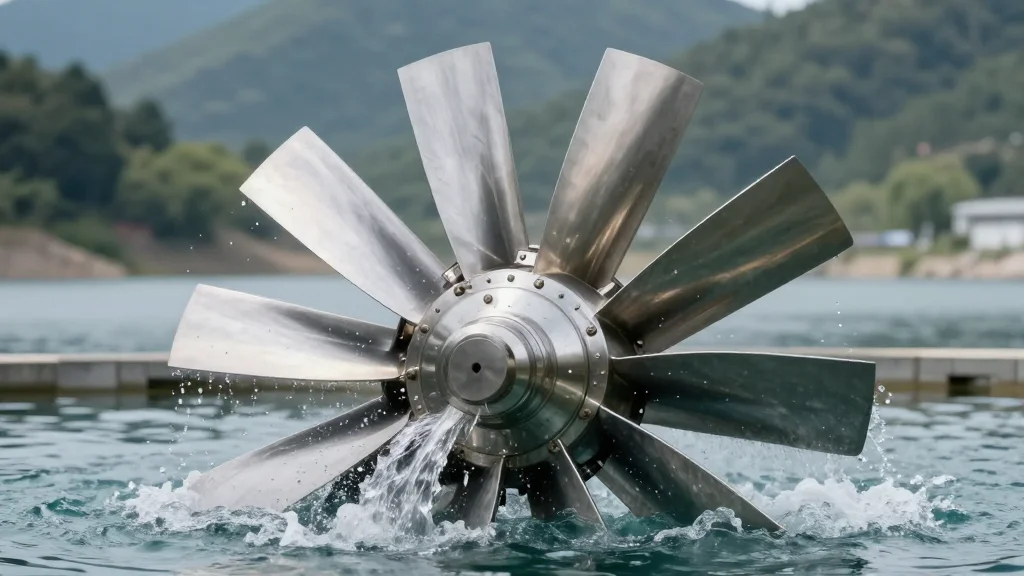
Bulgaria Seeks to Revive 864 MW Chaira Pumped-Storage Hydropower Plant
Why It Matters
Restoring Chaira bolsters Bulgaria’s grid reliability, supplies critical storage for intermittent renewables, and advances EU decarbonisation and energy‑security objectives.
Key Takeaways
- •Chaira plant capacity 864 MW, largest pumped‑storage in SE Europe
- •Plant idle since March 2022 after turbine failure in Unit 4
- •Toshiba to repair Unit 1 and advise on Units 2‑4
- •Restoration could add up to 864 MW of flexible renewable storage
- •Project supports Bulgaria’s EU energy security and decarbonisation goals
Pulse Analysis
Pumped‑storage hydropower is a cornerstone of Europe’s transition to a low‑carbon grid, offering rapid response and large‑scale energy shifting that complements wind and solar. Bulgaria, a net importer of electricity, has struggled with seasonal supply gaps, prompting policymakers to prioritize flexible resources that can absorb excess generation and release it during peak demand. The Chaira facility, with its 864 MW capacity, represents a strategic asset that can balance the country’s growing renewable portfolio while reducing reliance on fossil‑fuel imports.
Commissioned between 1995 and 1999, Chaira was once a regional benchmark for large‑scale storage, featuring four reversible Francis pump‑turbines supplied by Toshiba. A serious turbine failure during post‑rehabilitation testing of Unit 4 in 2022 forced the plant offline, exposing the vulnerability of aging infrastructure. The new memorandum of understanding tasks Toshiba International Europe with repairing Unit 1 and delivering comprehensive engineering studies for the remaining units, aiming to modernise control systems, mitigate cavitation risks, and improve overall efficiency. This partnership leverages Toshiba’s historic knowledge of the equipment and its latest digital monitoring tools.
If the revival proceeds on schedule, Chaira could supply up to 864 MW of dispatchable power, effectively acting as a giant battery for Bulgaria’s grid. The added capacity would enhance grid stability, lower wholesale electricity price volatility, and attract further renewable investments by guaranteeing firm output. Moreover, the project aligns with the EU’s 2030 climate targets and the Balkan region’s push for energy independence, positioning Bulgaria as a potential hub for cross‑border storage services. Stakeholders will watch closely for funding mechanisms, regulatory approvals, and the timeline for returning the plant to full commercial operation.
Bulgaria seeks to revive 864 MW Chaira pumped-storage hydropower plant
Comments
Want to join the conversation?
Loading comments...