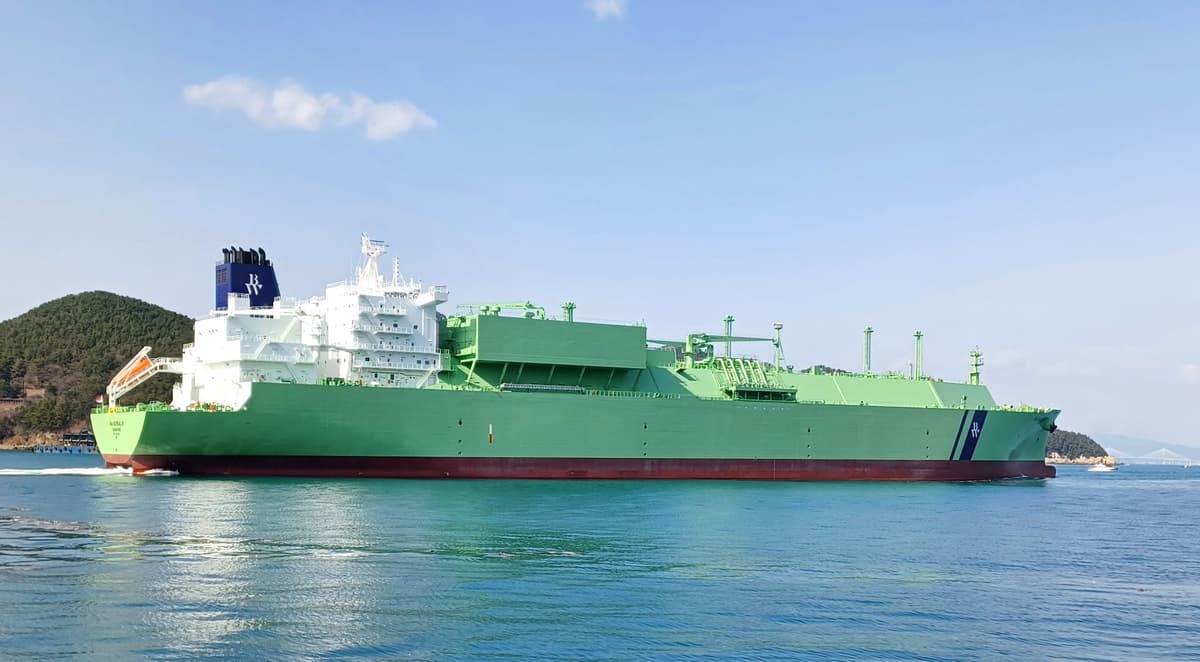
BW LNG’s Second Vessel Kicks Off Its Gig with Norwegian Energy Giant
•March 5, 2026
0
Why It Matters
The vessel expands Equinor’s low‑carbon LNG transport capacity while showcasing next‑generation, energy‑efficient ship design that can accelerate the industry’s decarbonisation goals.
Key Takeaways
- •BW Borealis 174,000 cbm LNG carrier enters Equinor charter
- •Vessel features ME‑GI propulsion and full reliquefaction system
- •Design achieves industry‑lowest fuel consumption and emissions
- •Completes BW LNG’s two‑ship program for Equinor
- •Strengthens Norway‑South Korea shipbuilding collaboration
Pulse Analysis
The entry of BW Borealis into Equinor’s fleet arrives at a pivotal moment for global LNG logistics. As Europe seeks diversified gas supplies amid geopolitical shifts, operators are turning to vessels that can move larger volumes more efficiently. BW LNG’s collaboration with South Korean shipbuilder Hanwha Ocean reflects a broader trend of Asian yards delivering high‑specification, ultra‑large carriers that meet stringent European environmental standards. By securing a long‑term charter, Equinor not only guarantees cargo capacity but also signals confidence in the reliability of new‑generation LNG assets.
Technically, BW Borealis sets a benchmark for energy‑intensive maritime transport. Its ME‑GI (dual‑fuel) propulsion system allows seamless switching between LNG and marine diesel, optimizing fuel burn across varying routes. Coupled with a full reliquefaction loop, the ship can re‑liquefy boil‑off gas, dramatically cutting emissions and preserving cargo integrity. Shaft generators and advanced load‑sharing (ALS) further reduce auxiliary power consumption, delivering what BW LNG calls "industry‑lowest" fuel use. These innovations translate into measurable carbon savings, aligning vessel operations with the International Maritime Organization’s 2050 decarbonisation targets.
From a market perspective, the completion of BW LNG’s two‑ship program strengthens Equinor’s position in the competitive European LNG market, where supply security and sustainability are paramount. The partnership also highlights the strategic value of cross‑regional collaborations—Norwegian energy firms leveraging South Korean shipbuilding expertise to meet climate‑focused objectives. As more energy majors adopt similar low‑carbon vessels, the sector can expect a cascade effect: reduced freight costs, lower emissions footprints, and accelerated adoption of green shipping technologies. This momentum positions BW LNG and its partners at the forefront of the next wave of maritime transformation.
BW LNG’s second vessel kicks off its gig with Norwegian energy giant
0
Comments
Want to join the conversation?
Loading comments...