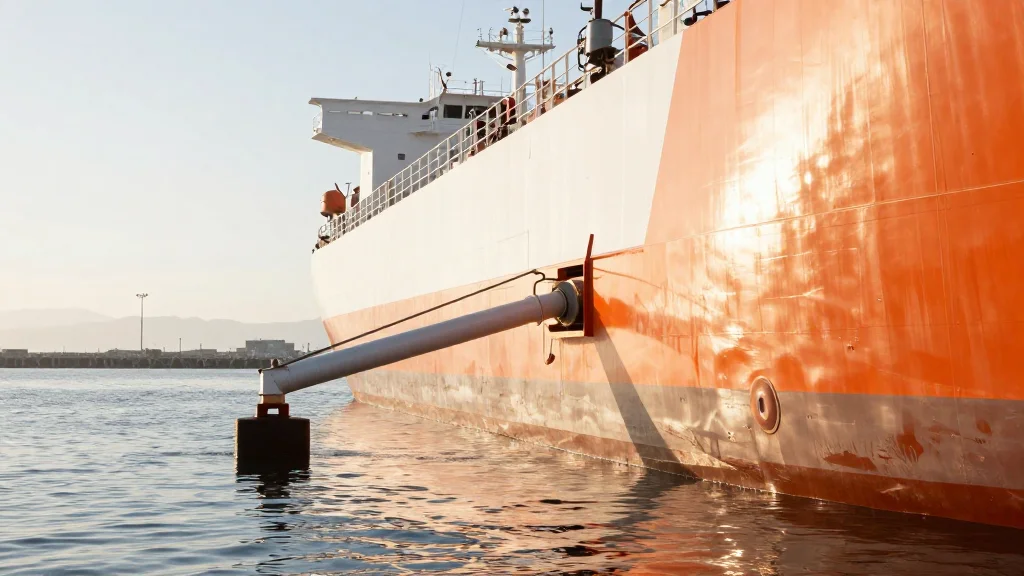
California Braces for Uncertainty as Last Shipment of Persian Gulf Oil Arrives in Long Beach
Companies Mentioned
Why It Matters
The disruption exposes California’s fragile fuel supply chain and could trigger higher consumer prices while accelerating calls for diversification away from imported oil.
Key Takeaways
- •2 million‑barrel tanker offloaded at Long Beach, ending Gulf shipments.
- •California loses ~200,000 barrels daily without Persian Gulf crude.
- •State refining capacity falling; imports now 20% of gasoline supply.
- •Refineries may turn to Canada, Ecuador, Brazil for medium‑grade oil.
- •Experts predict price spikes before any fuel shortages emerge.
Pulse Analysis
The Iran‑driven closure of the Strait of Hormuz has abruptly cut off the last Persian Gulf crude cargo destined for California, a state already grappling with dwindling domestic production and aging refineries. Historically, California imported about 75% of its oil, with roughly 30% coming from the Middle East. The loss of 200,000 barrels per day represents a significant share of the feedstock that fuels the state’s gasoline, jet fuel, and diesel plants, forcing refiners to scramble for alternatives on a market already strained by geopolitical risk.
California’s refining landscape is in transition. Capacity has slipped from a peak of 2.2 million barrels per day in the early 2000s to under 1.5 million today, while aging fields have reduced home‑grown crude output. To fill the gap, analysts expect a pivot toward nearer‑term sources such as Canadian light crude, Ecuadorian medium grades, and Brazilian blends, which offer lower freight costs and quicker turnaround. However, these grades differ from the heavy‑medium crude the West Coast typically processes, potentially requiring costly adjustments at refineries. Meanwhile, gasoline imports have doubled from 10% to 20% of the state’s supply, with South Korea, the Bahamas, and India as top exporters—sources now curtailing shipments amid their own domestic pressures.
Market participants anticipate short‑term price spikes before any outright shortages materialize. With refinery inventories already being drawn down, the Energy Commission projects a tight supply outlook through May, followed by a gradual import rebound in June as traders re‑balance flows. The episode underscores California’s exposure to global oil volatility and fuels policy debates about accelerating electric‑vehicle adoption, expanding renewable fuel mandates, and investing in domestic storage infrastructure to buffer future geopolitical shocks.
California braces for uncertainty as last shipment of Persian Gulf oil arrives in Long Beach
Comments
Want to join the conversation?
Loading comments...