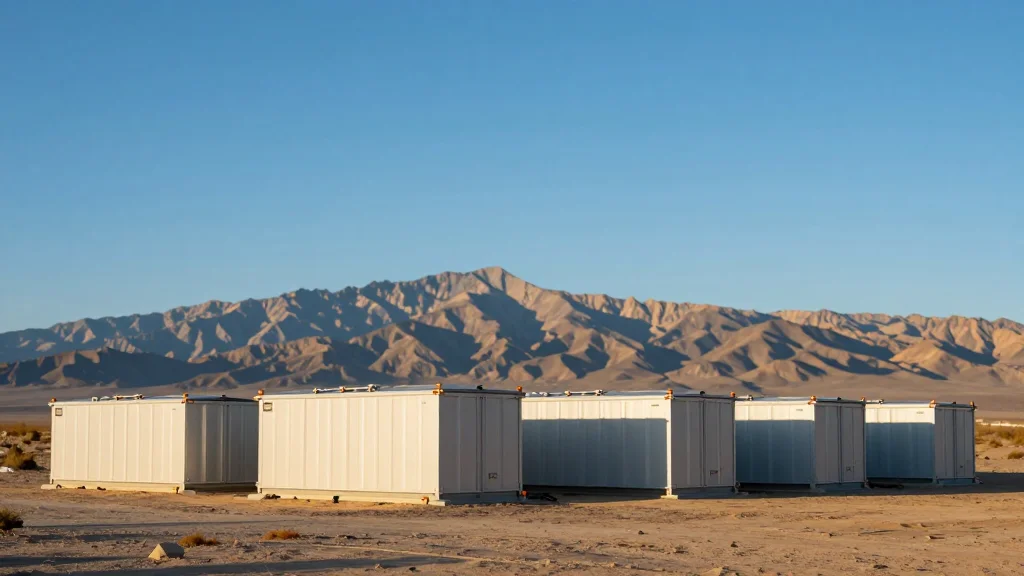
California Discharges 12,000 MW From Battery Arrays, Matching Output of 12 Nuclear Plants

Why It Matters
The ability to dispatch over 12,000 MW of stored electricity signals that battery storage is moving from a niche technology to a core grid asset. By covering more than 40 percent of peak demand, batteries reduce reliance on fossil‑fuel peakers, cutting emissions and smoothing the integration of intermittent renewables. The milestone also tests California’s policy framework; the looming expiration of federal tax credits could slow new renewable projects, making storage even more critical to meet the 2045 clean‑energy target. If California can sustain and expand this storage capacity, it offers a blueprint for other states grappling with similar peak‑load challenges. Conversely, policy setbacks or financing gaps could stall the momentum, leaving the grid vulnerable to supply‑demand mismatches and higher carbon emissions.
Key Takeaways
- •California discharged just over 12,000 MW from battery arrays, matching the output of 12 nuclear plants.
- •The discharge covered more than 40% of the state's evening peak demand.
- •Over 60% of California’s electricity came from carbon‑free sources last year.
- •Federal tax‑credit changes could eliminate up to 30% of capital costs for wind and solar projects after 2030.
- •Experts say additional large‑scale batteries and clean generation are needed to meet the 2045 clean‑energy goal.
Pulse Analysis
California’s battery milestone is a watershed for U.S. grid modernization, proving that storage can shoulder a sizable slice of peak demand. Historically, utilities relied on natural‑gas turbines to fill the evening gap left by solar’s sunset. The shift to batteries not only cuts emissions but also reduces operating costs associated with fuel‑price volatility. However, the sustainability of this model hinges on a steady pipeline of new storage projects and the availability of clean generation to recharge them.
The federal tax‑credit phase‑out creates a timing dilemma. Projects that miss the 2030 deadline lose up to 30% of capital‑cost subsidies, potentially slowing the pipeline just as demand from electric vehicles, heat pumps, and data centers accelerates. California’s aggressive procurement through 2032 suggests the state is trying to front‑load development, but the post‑2032 horizon remains uncertain. If the next administration restores or expands incentives, the state could see a surge in both wind and solar capacity, further bolstering battery utilization.
From a market perspective, the 12,000 MW discharge validates the business case for large‑scale battery developers and may attract new private capital. Investors will likely scrutinize the regulatory environment, grid interconnection timelines, and the economics of pairing storage with renewable generation. As other states observe California’s experience, we may see a cascade of similar storage deployments, especially in regions with high solar penetration and similar policy constraints. The next few years will determine whether California’s battery surge becomes a template for nationwide decarbonization or a one‑off achievement constrained by policy volatility.
California Discharges 12,000 MW from Battery Arrays, Matching Output of 12 Nuclear Plants
Comments
Want to join the conversation?
Loading comments...