Why It Matters
A diversified cooking mix reduces India’s dependence on imported LPG, strengthens energy security, and expands clean‑cooking access for low‑income households.
Key Takeaways
- •100 M LPG connections added 2016‑2024, one of world’s largest rollouts
- •37 % of Indian households still rely on biomass fuels
- •Imports supply 65 % of 29.6 M t LPG consumed in FY 2024
- •Electric cooking can be 15‑37 % cheaper than LPG in operation
- •Government schemes target induction cooktops and rooftop solar for e‑cooking
Pulse Analysis
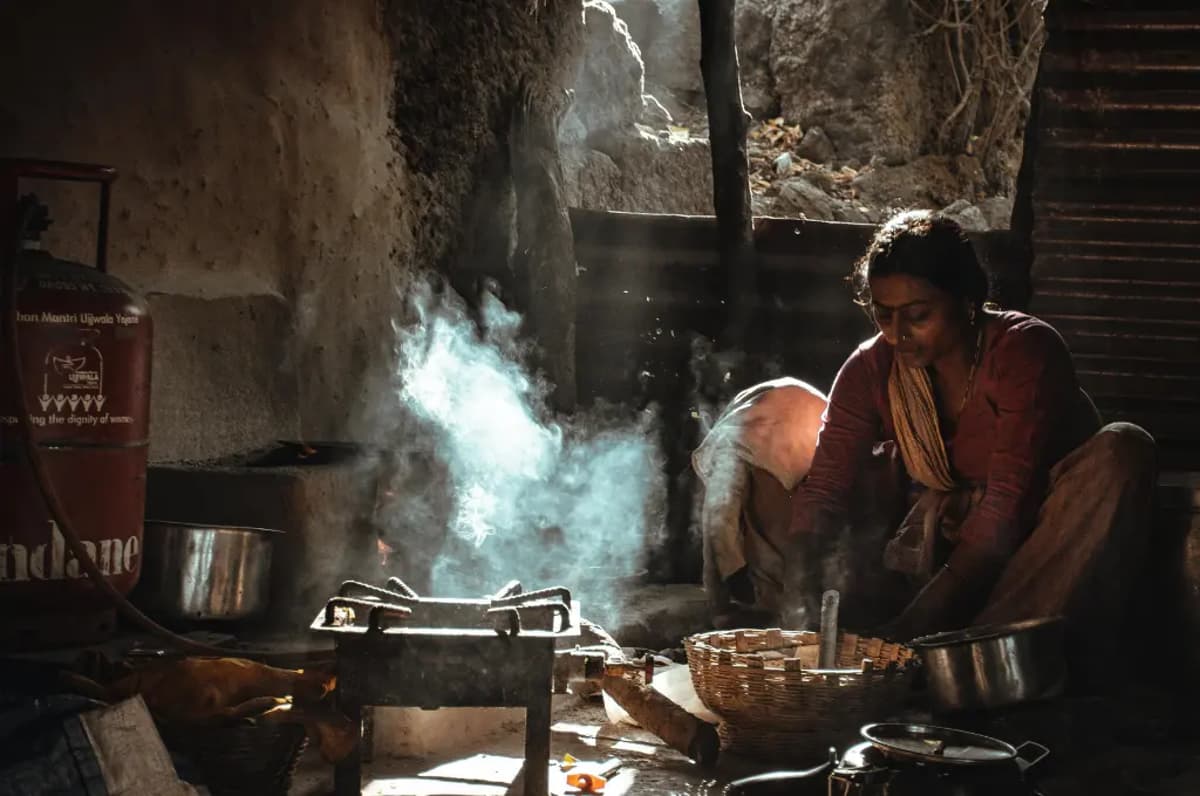
India’s LPG push has been a policy triumph on paper, delivering more than 100 million cylinders and lifting millions out of open‑fire cooking. The numbers, however, mask a persistent reality: a sizable share of rural and marginalised families continue to stack firewood with LPG, driven by refill price volatility, erratic last‑mile logistics and the lingering cost of LPG refills. Compounding the issue, domestic production now meets only about 35 % of the 29.6 million tonnes of LPG used in FY 2024, leaving 65 % to be imported—an exposure that strains the fiscal balance during global supply shocks.
Electric cooking offers a compelling complement. International Energy Agency forecasts suggest electricity could meet up to 75 % of cooking demand in emerging markets by 2050, and early Indian pilots show operational costs 15‑37 % lower than LPG when paired with efficient induction or pressure cookers. Barriers remain: many households perceive electric appliances as pricey or unsuitable for Indian cuisine, and upfront costs of $60‑$120 for basic induction units can be prohibitive. Initiatives such as the Go Electric campaign, the National Efficient Cooking Programme’s induction‑cooktop tenders, and PM‑Surya Ghar’s rooftop‑solar subsidies aim to lower these hurdles while improving grid reliability.
Realising a resilient, inclusive cooking ecosystem will require coordinated action. Targeted financing—subsidies, low‑interest loans, or bundled appliance‑utility packages—can bridge the upfront cost gap, while robust standards and star‑labelling will build consumer trust in product durability and safety. Integrating electric cooking into broader electrification plans, including urban housing design and renewable‑energy expansion, will diversify fuel sources, cut import dependence, and advance India’s climate commitments. A gradual, multi‑fuel transition, anchored by policy support and market incentives, can turn kitchens into a pillar of energy security and sustainable development.
Can India’s kitchens go electric?
Comments
Want to join the conversation?
Loading comments...