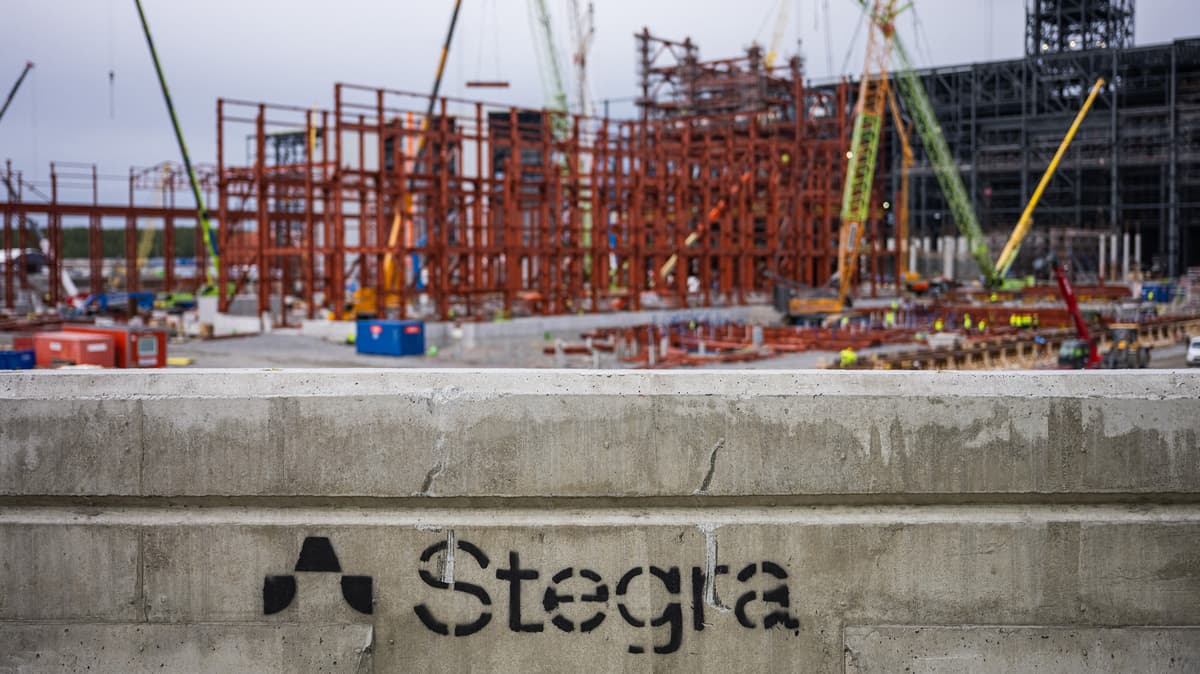
Can Sweden’s Green Industry Dream Rise From the Ashes?
•March 10, 2026
0
Why It Matters
Sweden’s ability to convert its renewable‑energy advantage into scalable green manufacturing will shape Europe’s decarbonisation roadmap and determine the economic future of its northern regions.
Key Takeaways
- •Northvolt bankruptcy cuts Skellefteå population by 3,000.
- •Low-cost, renewable power attracts data centres over green factories.
- •Stegra seeks $1.5bn funding to launch green steel.
- •Swedish government pledged €137mn but full aid pending.
Pulse Analysis
Northern Sweden’s energy landscape remains one of Europe’s most attractive, with hydro‑dominated grids and rapidly expanding wind capacity delivering some of the continent’s lowest industrial electricity rates. These conditions have historically drawn capital for low‑emission projects, from battery cells to green‑hydrogen production. Yet cheap, clean power alone does not guarantee commercial success; supply‑chain bottlenecks, technology scaling challenges, and fierce competition from China have eroded confidence in the region’s nascent green factories.
Financing gaps have become the critical hurdle. While the Swedish Energy Agency’s Industrial Leap programme has added €37 million to a prior €100 million commitment, the total public support for ventures like Stegra still falls short of the €265 million EU state‑aid approval. Investors are wary of half‑measures, fearing that incomplete backing will leave projects stranded between ambition and viability. This funding uncertainty has redirected private capital toward less price‑sensitive assets such as data centres, which can reliably exploit the region’s cheap power without the same scale‑up risks.
Looking ahead, the sector’s revival hinges on strategic decisions. Lyten’s prospective takeover of Northvolt’s Swedish assets could inject new expertise and capital, potentially stabilising the battery supply chain. Simultaneously, green‑steel initiatives that leverage local iron ore and renewable electricity may finally achieve commercial scale if financing gaps are closed. A decisive, coordinated policy push—combining full EU aid disbursement, targeted subsidies, and clear regulatory frameworks—will be essential for Sweden to fulfill its promise as Europe’s green‑industrial hub.
Can Sweden’s green industry dream rise from the ashes?
0
Comments
Want to join the conversation?
Loading comments...