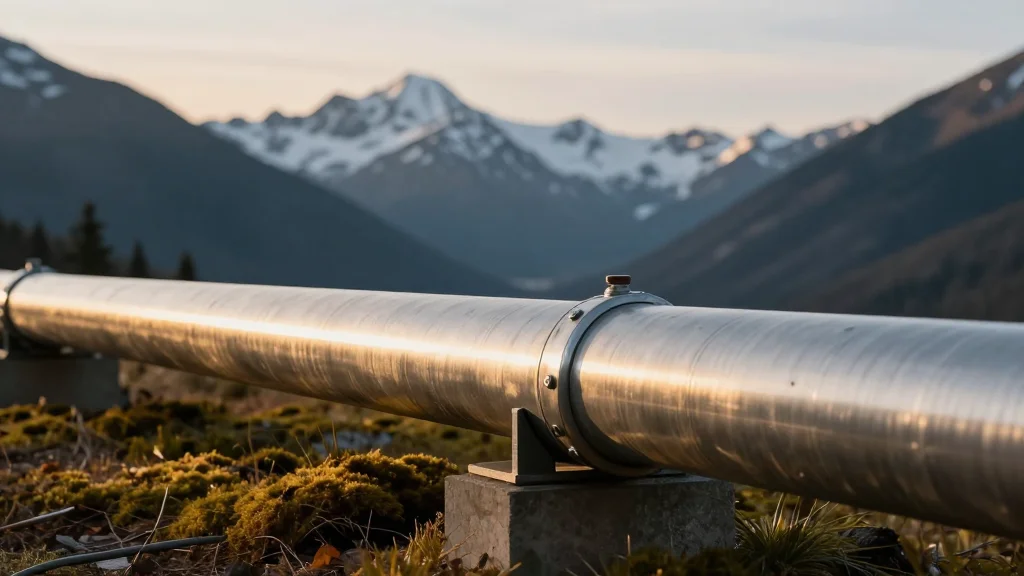
Canada Greenlights $4 B Enbridge Gas Pipeline Expansion to Add 300 MMcf/D in British Columbia

Why It Matters
The Sunrise Expansion directly addresses a supply bottleneck that could constrain British Columbia’s burgeoning LNG sector, a cornerstone of Canada’s strategy to capture a larger share of Asian gas markets. By adding 300 MMcf/d, the project not only safeguards domestic heating and industrial needs but also underpins export contracts that could generate billions in revenue over the next decade. Moreover, the approval highlights the federal government’s willingness to invest in fossil‑fuel infrastructure while simultaneously navigating climate policy pressures, setting a precedent for how Canada balances energy security with emissions reduction targets. In the broader North American context, the expansion reinforces the Westcoast pipeline’s role as a critical conduit for western Canadian gas, potentially influencing regional price dynamics and supply reliability. It also raises questions about the future of pipeline expansions amid growing calls for renewable energy investment, making the Sunrise project a litmus test for Canada’s energy transition pathway.
Key Takeaways
- •Ottawa approved Enbridge’s Sunrise Expansion, a C$4 billion natural‑gas pipeline project in British Columbia.
- •The expansion adds up to 300 million cubic feet per day of transport capacity to the Westcoast system.
- •Construction is scheduled to begin this summer, aligning with upcoming LNG export facility timelines.
- •The project supports provincial heating, industrial demand, and Canada’s trade diversification toward Asian gas markets.
- •Regulatory approval includes conditions for environmental and Indigenous stakeholder engagement.
Pulse Analysis
Enbridge’s Sunrise Expansion arrives at a pivotal moment for Canada’s gas sector. Historically, the Westcoast pipeline has been the backbone of western Canada’s energy export capability, moving gas from the interior to coastal processing hubs. By expanding capacity rather than building a new line, Enbridge leverages existing right‑of‑way, potentially reducing capital outlays and minimizing additional land disturbance. This incremental approach reflects a pragmatic response to market demand while attempting to mitigate some environmental concerns associated with greenfield projects.
From a market perspective, the added 300 MMcf/d could ease supply constraints that have occasionally driven up spot gas prices in western Canada, especially during peak winter demand. A more robust pipeline network also enhances the credibility of long‑term LNG contracts with Asian buyers, who require assured feedstock volumes. In turn, this could accelerate investment in new LNG terminals, creating a virtuous cycle of infrastructure development and export revenue.
However, the expansion does not exist in a vacuum. Canada’s 2030 emissions targets and the broader global shift toward renewable energy place natural‑gas projects under heightened scrutiny. While natural gas is often touted as a bridge fuel, the incremental emissions from additional pipeline capacity must be weighed against the climate benefits of displacing coal or oil. Stakeholder engagement, particularly with Indigenous groups, will be critical; any legal challenges or protests could delay construction and increase costs. Enbridge’s ability to navigate these dynamics will determine whether the Sunrise Expansion becomes a model for future incremental upgrades or a flashpoint for opposition to fossil‑fuel expansion.
Looking ahead, the project’s success could influence policy decisions on other pipeline proposals across the country. If the Sunrise Expansion delivers on its promise of reliable supply without significant environmental or social setbacks, it may embolden the federal government to approve similar upgrades. Conversely, any setbacks could reinforce calls for a faster transition to renewable energy infrastructure, reshaping Canada’s long‑term energy strategy.
Canada greenlights $4 B Enbridge gas pipeline expansion to add 300 MMcf/d in British Columbia
Comments
Want to join the conversation?
Loading comments...