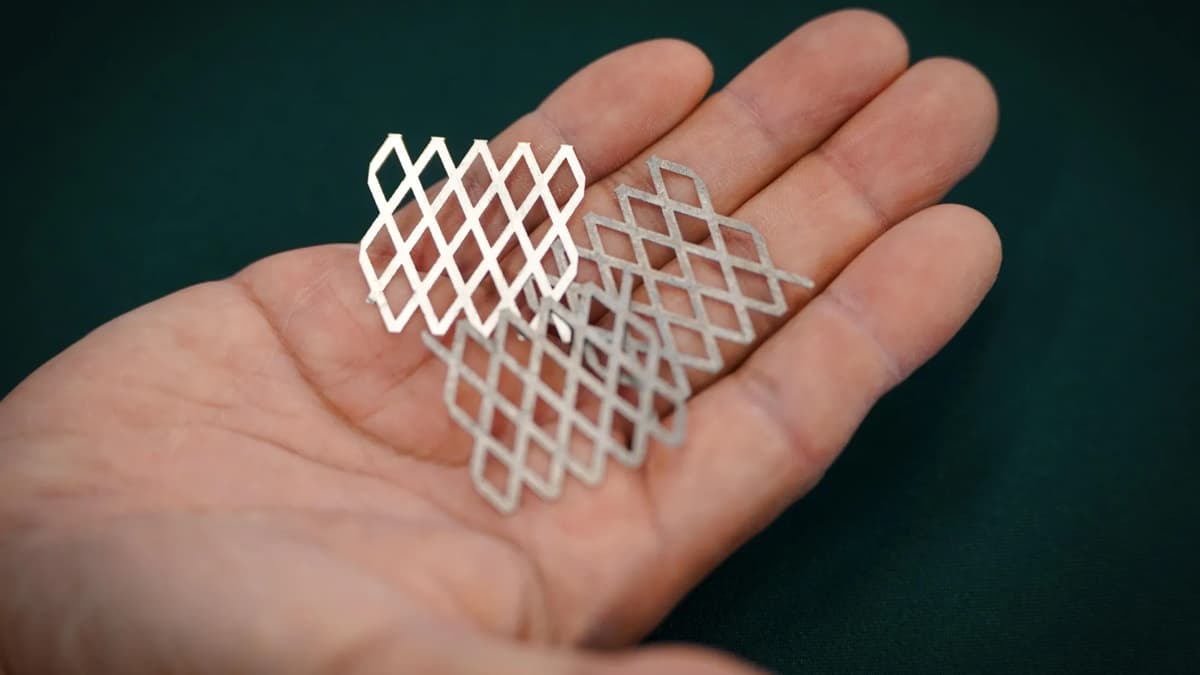
“Cannot Be Explained” – New Ultra Stainless Steel Stuns Researchers
Why It Matters
SS‑H₂ offers a low‑cost, durable alternative to titanium, removing a major economic barrier to large‑scale seawater‑based green hydrogen production.
Key Takeaways
- •Dual‑passivation adds manganese layer, protecting steel up to 1700 mV.
- •SS‑H₂ could slash electrolyzer structural costs by ~40× versus titanium.
- •HK$17.8 M (~$2.3 M) 10 MW system cost, 53% structural share.
- •Patents filed; tons of SS‑H₂ wire already produced in China.
Pulse Analysis
Green hydrogen’s promise hinges on affordable, durable electrolyzers that can run on abundant seawater. Conventional designs rely on titanium or precious‑metal‑coated components, driving capital expenditures sky‑high and limiting scale‑up. Moreover, the high chloride content and extreme potentials of seawater electrolysis accelerate corrosion, shortening equipment lifespans. The industry therefore faces a dual challenge: find a material that tolerates harsh electrochemical conditions while slashing upfront costs.
The HKU team’s SS‑H₂ alloy tackles both issues through a novel sequential dual‑passivation mechanism. First, the familiar chromium‑oxide film forms, then, at roughly 720 mV, a manganese‑rich layer self‑assembles, extending protection to 1700 mV—well beyond the water‑splitting threshold. Laboratory tests show performance comparable to titanium in desalinated‑seawater cells, but with a material cost that is a fraction of the metal’s price. By potentially reducing the structural component share of a 10 MW PEM system from 53% to under 2%, the alloy could lower the $2.3 million USD structural budget by about 40‑times.
Beyond the lab, SS‑H₂ is moving toward commercialization. Patents have been filed in several jurisdictions, and a Chinese factory is already producing tons of alloy wire for mesh and foam electrodes. If scaling proceeds smoothly, the alloy could accelerate the rollout of seawater electrolysis plants, making green hydrogen more competitive with fossil‑based alternatives. The breakthrough also signals a shift in alloy design philosophy—leveraging unexpected elements like manganese to create self‑healing, high‑potential‑resistant steels—potentially inspiring further innovations across the clean‑energy materials landscape.
“Cannot be explained” – New ultra stainless steel stuns researchers
Comments
Want to join the conversation?
Loading comments...