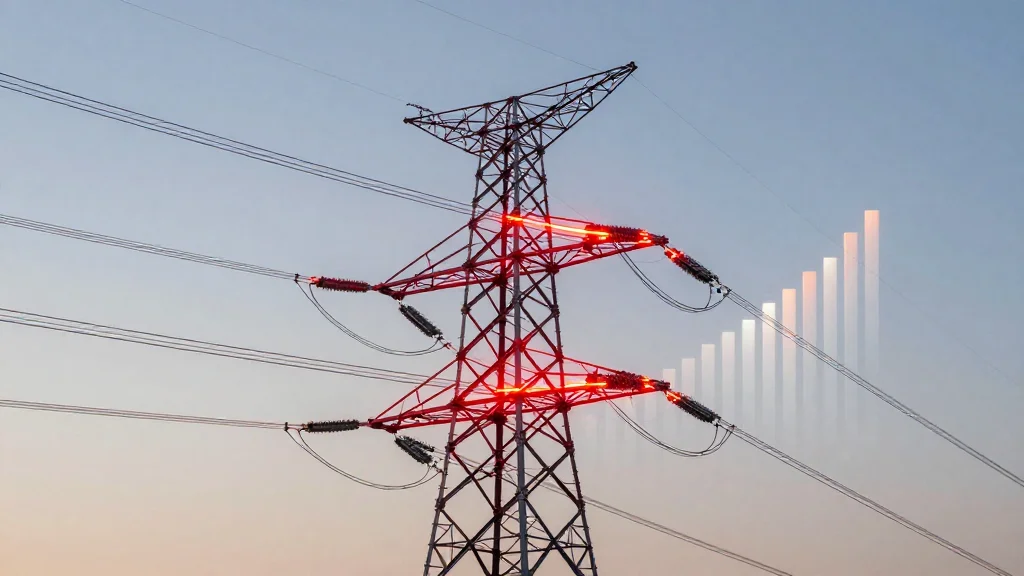
Capacity Cost Explosion: What PJM’s $80B Bill Means for the AI Buildout
Why It Matters
The cost spike reshapes power economics across 13 states, raising electricity prices for businesses and consumers, and threatens the viability of the AI‑driven digital economy.
Key Takeaways
- •PJM capacity billing rose 285% to $10.39 billion in 2025.
- •Total PJM market settlements jumped 56% to $80.5 billion.
- •Energy, congestion, and reserve costs all surged over 50% year‑over‑year.
- •Grid bottlenecks stem from interconnection backlogs and permitting delays.
- •Proposed reforms aim to fast‑track interconnection and streamline permitting.
Pulse Analysis
PJM’s 2025 report lays bare the financial fallout of a power market caught off‑guard by the AI boom. Capacity payments surged to $10.39 billion, while energy and congestion charges climbed 57% and 78% respectively, pushing total settlements past $80 billion. This price shock is not an isolated anomaly; it signals a systemic scarcity that could ripple through industrial electricity rates, data‑center operating costs, and ultimately the broader economy that depends on affordable power.
The root cause lies in a grid that cannot keep pace with demand. Interconnection queues have ballooned, and permitting processes remain mired in legacy regulations, delaying the rollout of new generation and transmission upgrades. As a result, operating reserves more than doubled and regulation markets spiked, underscoring the tightening reliability margin. Without faster access to new capacity, the market will continue to price scarcity, eroding competitiveness for AI‑intensive firms and raising consumer bills.
Policymakers are now proposing a two‑pronged fix: expedite interconnection reviews and overhaul permitting. PJM’s pilot track for up to ten large projects a year, combined with federal reforms like the CERTAIN Act and state initiatives such as Indiana’s surplus interconnection rights, aim to shave years off project timelines. If enacted, these measures could unlock 15‑17% more line capacity and curb the upward cost spiral, preserving the United States’ leadership in AI while safeguarding grid reliability.
Capacity cost explosion: What PJM’s $80B bill means for the AI buildout
Comments
Want to join the conversation?
Loading comments...