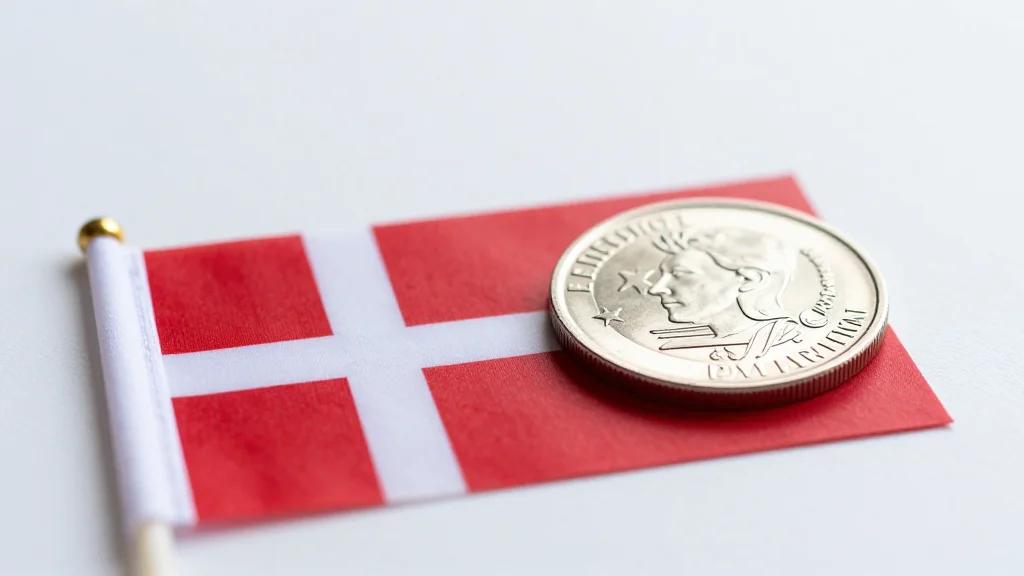
Carbon Pricing in Denmark: How Does It Work?
Why It Matters
The policy shows how a flexible carbon‑pricing architecture can drive deep decarbonisation while preserving economic competitiveness, offering a model for other nations facing similar sectoral trade‑offs.
Key Takeaways
- •Denmark targets 70% emissions cut by 2030 versus 1990.
- •Carbon tax to reach ~$109/t CO₂ by 2030.
- •€7.2 bn (≈$7.9 bn) Green Fund backs wind, CCS.
- •First country to tax agricultural emissions, starting low rates.
- •Exemptions for cement, transport, fisheries ease competitiveness concerns.
Pulse Analysis
Denmark’s carbon‑pricing framework illustrates a pragmatic path to ambitious climate goals. By coupling a steadily increasing carbon tax—projected at roughly $109 per tonne of CO₂ by 2030—with participation in the EU Emissions Trading System, the government creates a clear price signal for high‑emitting industries. The accompanying €7.2 bn Green Fund, equivalent to about $7.9 bn, finances offshore wind, carbon capture and storage, and other low‑carbon infrastructure, ensuring that the tax revenue translates into tangible emission‑reducing investments.
A distinctive feature of the Danish approach is its sector‑specific tailoring. While the cement industry, international transport, and fisheries enjoy temporary exemptions or reduced rates to safeguard competitiveness, the 2024 Green Tripartite Agreement introduces a pioneering carbon tax on agricultural emissions. By setting low initial rates and offering deductions for farms using existing abatement technologies, the policy balances political feasibility with environmental ambition, though it risks delivering weaker incentives for deeper structural change.
The Danish experience offers valuable lessons for policymakers worldwide. It demonstrates that a hybrid model—combining market‑based pricing, targeted subsidies, and carefully designed exemptions—can maintain public acceptance while driving substantial emissions reductions. However, the long‑term success hinges on periodically tightening tax rates and phasing out rebates, especially in carbon‑intensive sectors like cement and agriculture, to avoid price‑signal erosion as climate targets become more stringent. This balanced yet adaptable strategy positions Denmark as a benchmark for integrating carbon pricing into a broader, resilient climate policy toolkit.
Carbon pricing in Denmark: how does it work?
Comments
Want to join the conversation?
Loading comments...