Carmakers Navigating the Costly and Tricky Transition to Battery Storage Systems
Companies Mentioned
Why It Matters
The shift reshapes the U.S. battery supply chain, creating a new revenue stream for automakers while exposing them to technology, cost and trade challenges that could affect profitability and energy‑grid resilience.
Key Takeaways
- •GM, Ford, LGES repurposing EV plants for stationary storage.
- •US storage demand 76 GWh 2026, far below 275 GWh excess capacity.
- •Converting to LFP chemistry costs hundreds of millions, 18‑month timeline.
- •Tesla leads storage market with 30% gross margin, outpacing EV unit.
- •Tariffs and Chinese supply dominance hinder US battery‑storage rollout.
Pulse Analysis
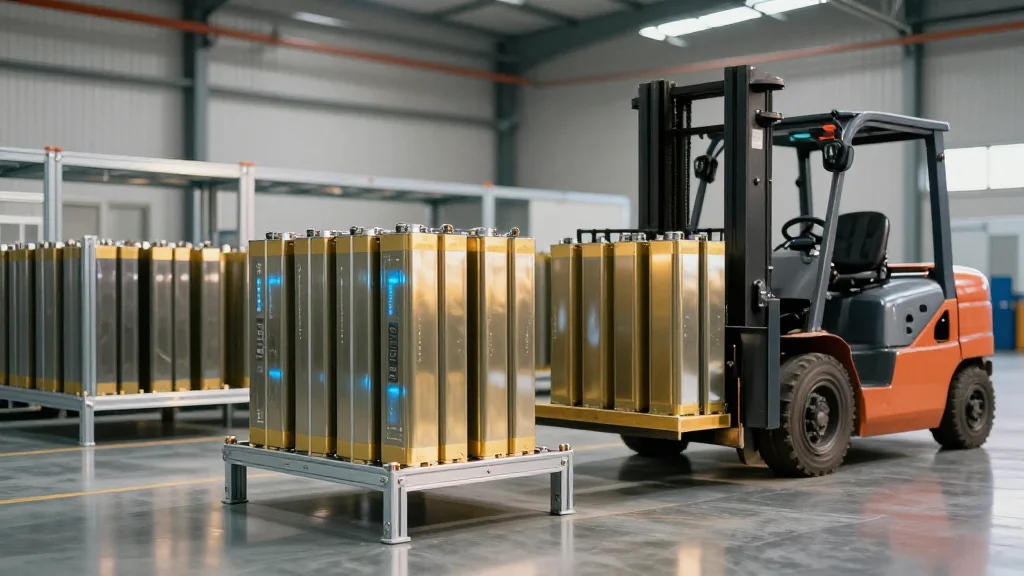
The slowdown in U.S. electric‑vehicle sales has left a surplus of battery‑cell capacity that manufacturers are now eyeing for stationary storage. Data‑center expansion, AI workloads and the need to balance intermittent renewable generation are driving a nascent demand for lithium‑ion storage, estimated at 76 GWh this year. By redirecting existing EV‑battery lines, firms like GM, Ford and LG Energy Solution hope to capture a share of this market without building new plants from scratch, turning idle assets into a potential growth engine.
However, the transition is far from simple. Most stationary systems rely on lithium‑iron‑phosphate (LFP) cells, which differ materially from the nickel‑rich chemistries used in most U.S. EVs. Retooling a plant for LFP can require several hundred million dollars and up to 18 months, while also demanding new supply contracts for cathode and anode materials now subject to 35% tariffs on Chinese imports. The dominance of Chinese manufacturers in the LFP value chain forces U.S. producers to diversify sources to qualify for federal tax credits, adding another layer of complexity and cost.
Tesla’s early entry into the storage arena gives it a decisive edge; its Megapack units posted roughly 30% gross margins in 2025, outpacing the automaker’s own EV business. Legacy carmakers are scrambling to close that gap, with GM‑LGES allocating $70 million to retrain workers and Ford earmarking $2 billion for a dedicated storage division. While the storage market is set to double over the next five years, it remains insufficient to absorb the full excess capacity, meaning the profitability of these conversions will hinge on how quickly demand accelerates and whether supply‑chain hurdles can be mitigated.
Carmakers navigating the costly and tricky transition to battery storage systems
Comments
Want to join the conversation?
Loading comments...