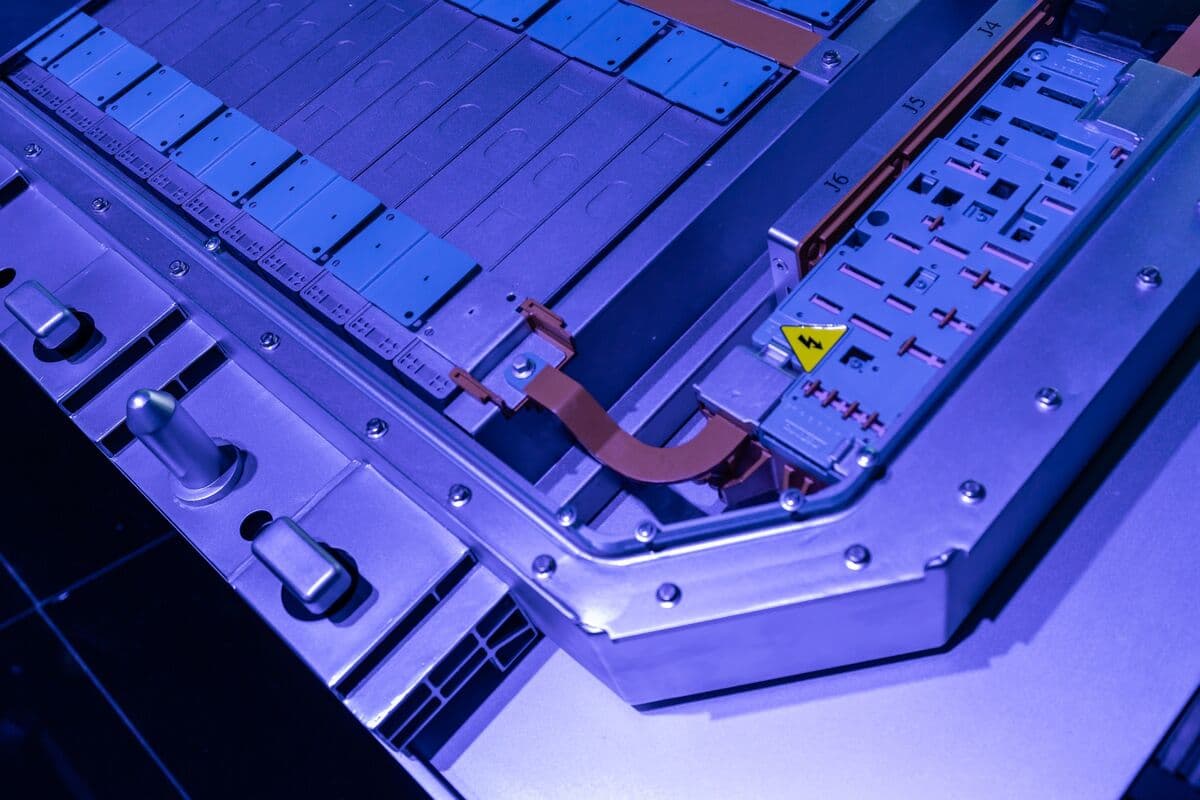
CATL Sees Its Sodium Batteries in at Least 10,000 EVs This Year
Companies Mentioned

Contemporary Amperex Technology
Why It Matters
Sodium‑ion batteries provide a lower‑cost, less resource‑intensive alternative to lithium, potentially reshaping EV pricing and supply chains, especially in cold‑climate markets.
Key Takeaways
- •CATL targets 10,000‑20,000 EVs with sodium‑ion batteries this year
- •Batteries function reliably at temperatures as low as –20 °C
- •Sodium‑ion chemistry reduces reliance on lithium and cobalt
- •Deployment announced at World Economic Forum in Dalian
- •Could accelerate EV adoption in cold‑weather regions
Pulse Analysis
Sodium‑ion technology is emerging as a cost‑effective counterpart to lithium‑ion cells, largely because sodium is abundant and inexpensive compared with lithium and cobalt. CATL’s push to place up to 20,000 batteries in vehicles this year signals confidence that the chemistry can meet commercial performance standards while easing raw‑material pressures. Analysts see the move as a strategic hedge against volatile lithium prices and geopolitical supply risks, offering automakers a diversified battery portfolio.
Beyond price, the standout feature of CATL’s sodium‑ion pack is its resilience in sub‑zero environments. By delivering stable capacity at –20 °C and even –30 °C in controlled tests, the batteries address a long‑standing limitation of many lithium chemistries, which lose efficiency in cold weather. This capability opens doors for EV adoption in northern Europe, Canada, and parts of the United States where winter range anxiety has slowed market penetration. Fleet operators in these regions could benefit from predictable performance without the added cost of thermal management systems.
The industry impact could be profound. If CATL’s rollout proves reliable, other manufacturers may accelerate their own sodium‑ion programs, intensifying competition and driving further cost reductions. Investors are watching the supply chain ripple effect, from sodium‑rich mining projects to new cell‑manufacturing equipment. While lithium will remain dominant for high‑energy‑density applications, sodium‑ion is poised to capture niche segments where cost and temperature tolerance outweigh absolute range, reshaping the EV battery landscape over the next decade.
CATL Sees Its Sodium Batteries in at Least 10,000 EVs This Year
Comments
Want to join the conversation?
Loading comments...