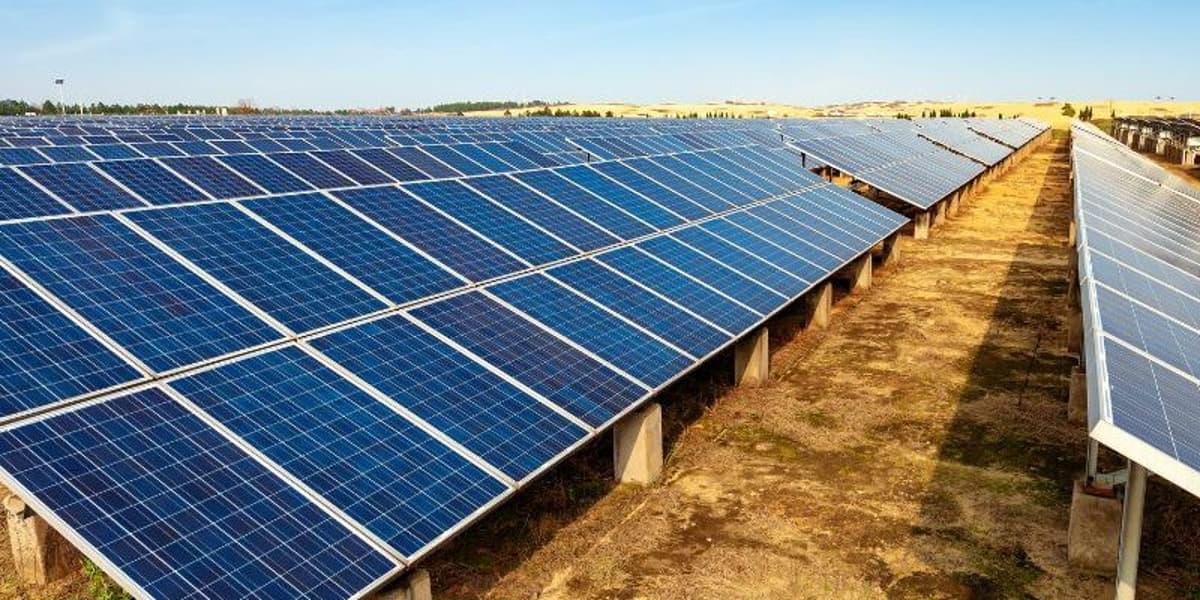
CEC Commissions Itimpi II Solar Plant, Boosting Zambia’s Renewable Energy Capacity
Why It Matters
The plant strengthens Zambia’s energy security by diversifying away from hydropower, while demonstrating that large‑scale renewable projects can be financed locally, spurring further private investment and job creation.
Key Takeaways
- •Itimpi II adds 136 MW, raising CEC’s solar to 230 MW.
- •Project cost $125.8 M, financed via $200 M green bond.
- •Construction created 2,568 jobs, 95% Zambian workforce.
- •Expected annual CO₂ reduction of 101,000 metric tonnes.
- •CEC targets >500 MW solar by 2027, adding storage systems.
Pulse Analysis
Zambia’s power sector has long depended on hydroelectric generation, leaving the grid vulnerable to drought‑driven shortfalls. The commissioning of the 136 MW Itimpi II solar photovoltaic plant in Kitwe marks a decisive shift toward a more balanced energy mix. By pushing CEC’s solar portfolio to 230 MW, the project not only creates the nation’s largest operational solar farm but also positions Zambia among the top three solar‑rich economies in sub‑Saharan Africa. The additional capacity supplies clean electricity to industrial customers and supports the country’s ambition to increase overall generation capacity.
The Itimpi II development was financed almost entirely through CEC’s $200 million green bond, a landmark example of domestic capital‑market funding for infrastructure in a low‑income market. Raising $156 million of the bond proceeds locally exceeded national targets and proved that investors have confidence in Zambia’s renewable‑energy outlook. Beyond the balance sheet, the project generated 2,568 construction jobs, with more than 95 % filled by Zambians, and engaged fifteen local firms and eight consultants, creating a pipeline of skilled workers and strengthening the country’s renewable‑energy expertise.
Looking ahead, CEC has pledged to expand its solar footprint to over 500 MW by 2027 and to deploy battery energy storage systems using the remaining green‑bond capital. Energy storage will smooth solar intermittency, improve grid reliability, and enable dispatchable power that can complement existing hydro and thermal plants. The success of Itimpi II is likely to encourage other private players to tap Zambia’s burgeoning green‑bond market, accelerating the region’s transition to low‑carbon electricity and fostering economic growth through reliable power supply.
CEC Commissions Itimpi II Solar Plant, Boosting Zambia’s Renewable Energy Capacity
Comments
Want to join the conversation?
Loading comments...