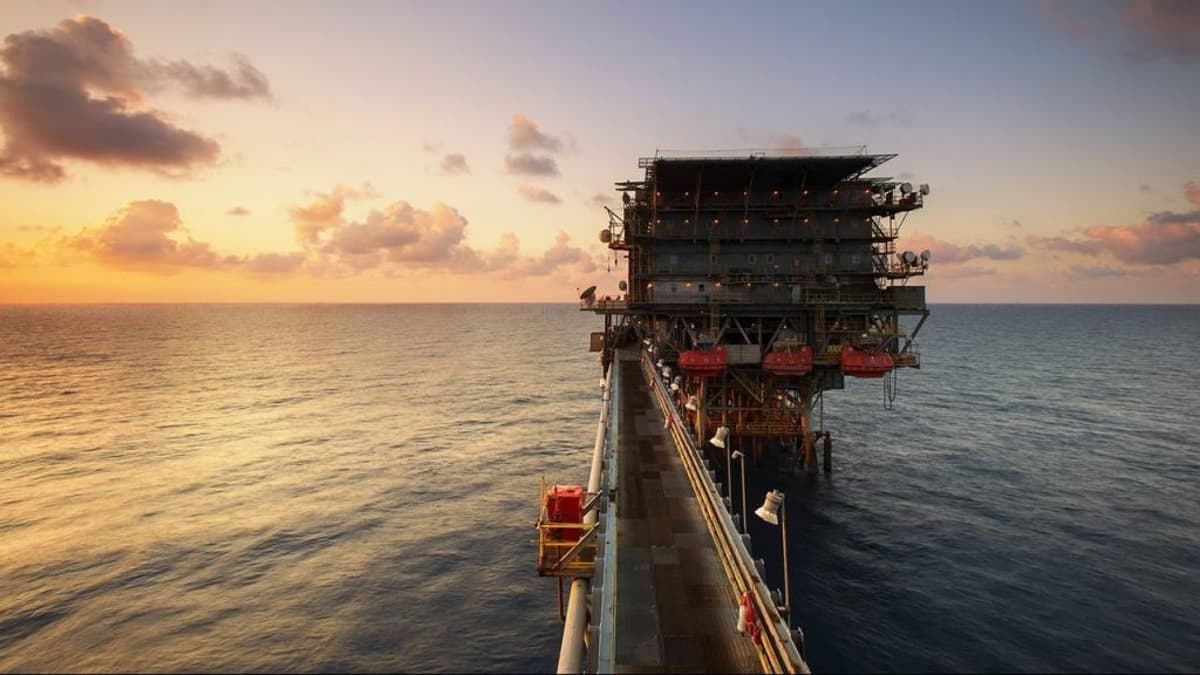
Cenovus Says Oilfield Extension Off Newfoundland Will Hike Emissions by 21 per Cent
Why It Matters
The approval underscores the tension between economic development in Atlantic Canada and provincial climate‑policy goals, as higher baselines make it easier for emitters to meet reduction targets but also lock in greater carbon output. It signals to investors and regulators how resource projects will be weighed against emission‑reduction commitments.
Key Takeaways
- •West White Rose adds 100,000 metric tonnes CO₂ annually.
- •Emissions rise 21% matching 23,300 cars' yearly output.
- •Extension extends field life by ~14 years, creating hundreds of jobs.
- •Province permits baseline hikes; offset credits cost $110 per tonne.
- •Vale’s Voisey’s Bay emissions doubled to over 180,000 tonnes CO₂.
Pulse Analysis
The West White Rose platform represents a strategic push by Cenovus to prolong offshore production in Newfoundland, a region eager for the economic stimulus of new jobs and infrastructure. While the project promises hundreds of construction positions and a 14‑year extension of the field’s productive life, its environmental footprint is significant. An estimated 100,000 metric tonnes of CO₂ each year – roughly the emissions of 23,300 cars – will be added, primarily from natural‑gas‑fueled power generation on the platform.
Provincial regulators have responded by adjusting baseline emission levels for both Cenovus and Vale’s Voisey’s Bay mine, allowing higher output without immediate financial penalties. The new baseline for White Rose rises from 389,000 to 489,000 tonnes CO₂e, and any shortfall in meeting reduction targets will be offset at $110 per tonne. This policy framework reflects a pragmatic approach to balancing resource development with climate commitments, yet it also raises questions about the effectiveness of baseline adjustments as a tool for genuine emissions cuts.
In the broader Canadian energy landscape, the offshore expansion is modest compared with Cenovus’s 3.8 million tonnes CO₂e from its Alberta oilsands operations. Nonetheless, the move highlights a growing trend where oil and gas firms seek regulatory certainty while navigating heightened public scrutiny on climate impact. Stakeholders—from investors to Indigenous communities—will watch how the province enforces future reduction pathways, especially as climate‑related losses, such as the $37 billion in insured damages from extreme weather, continue to mount. The outcome will shape the narrative on whether economic gains can coexist with credible emission‑reduction strategies.
Cenovus says oilfield extension off Newfoundland will hike emissions by 21 per cent
Comments
Want to join the conversation?
Loading comments...