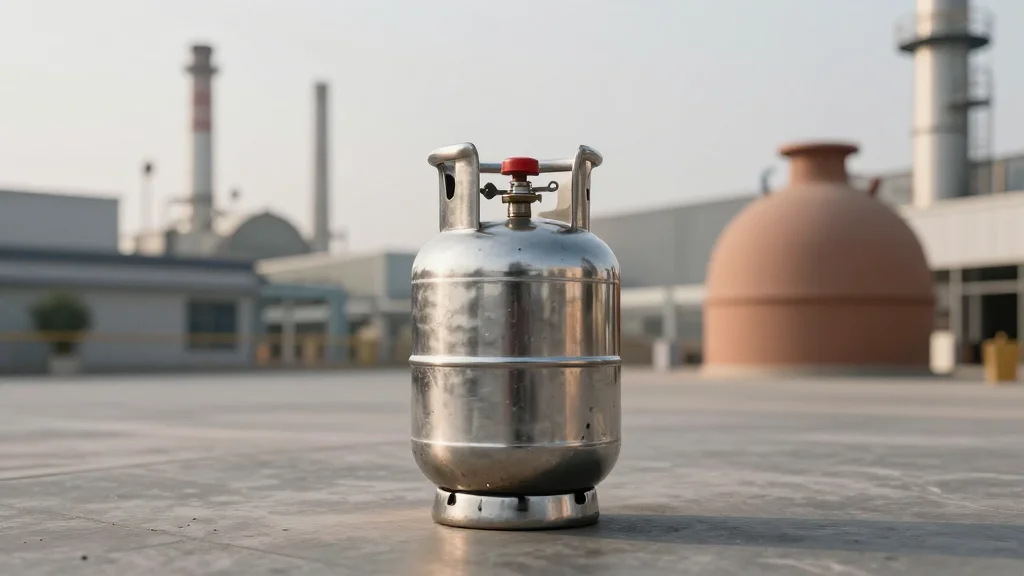
Centre to Provide up to 200 Tonnes/Day LPG to Ceramics, Pharma, Specialised Industries
Why It Matters
The policy guarantees a reliable LPG supply for high‑value manufacturing, reducing production risk and bolstering India's industrial resilience as global energy markets remain uncertain.
Key Takeaways
- •200 tonnes/day LPG cap for critical manufacturing sectors.
- •70% allocation based on pre‑March 2026 consumption levels.
- •PNG waiver for industries where LPG cannot be substituted.
- •CII cites assurance for pharma, ceramics, steel, and polymers.
- •Policy balances PNG push with essential LPG needs.
Pulse Analysis
India’s latest LPG allocation framework reflects a nuanced shift in its energy strategy, targeting sectors where liquefied petroleum gas remains irreplaceable. By earmarking up to 200 tonnes daily and linking the share to historic consumption, the government ensures that high‑margin industries—pharma, ceramics, polymers, and metal processing—receive a predictable fuel source. This move dovetails with a broader push to expand piped natural gas (PNG) usage, yet recognises that a blanket transition would jeopardise production lines that rely on LPG’s specific combustion properties.
For manufacturers, the assurance of a capped yet substantial LPG supply translates into tighter production planning and lower inventory buffers. The waiver of PNG‑application procedures removes bureaucratic friction, allowing firms to focus on output rather than compliance. In a market where energy price spikes can erode margins, the policy provides a hedge against volatility, especially as geopolitical tensions keep oil and gas prices unsettled. Analysts expect the measure to improve capacity utilisation rates and may encourage modest capital investment in LPG‑optimised equipment.
Looking ahead, the allocation could serve as a catalyst for a phased PNG adoption strategy. By safeguarding essential LPG needs, the government creates space for industries to gradually retrofit or co‑fire with natural gas where feasible, without risking supply disruptions. This balanced approach may enhance India’s manufacturing competitiveness, attract foreign investment, and support the nation’s broader goal of energy security while meeting climate‑related efficiency targets.
Centre to provide up to 200 tonnes/day LPG to ceramics, pharma, specialised industries
Comments
Want to join the conversation?
Loading comments...