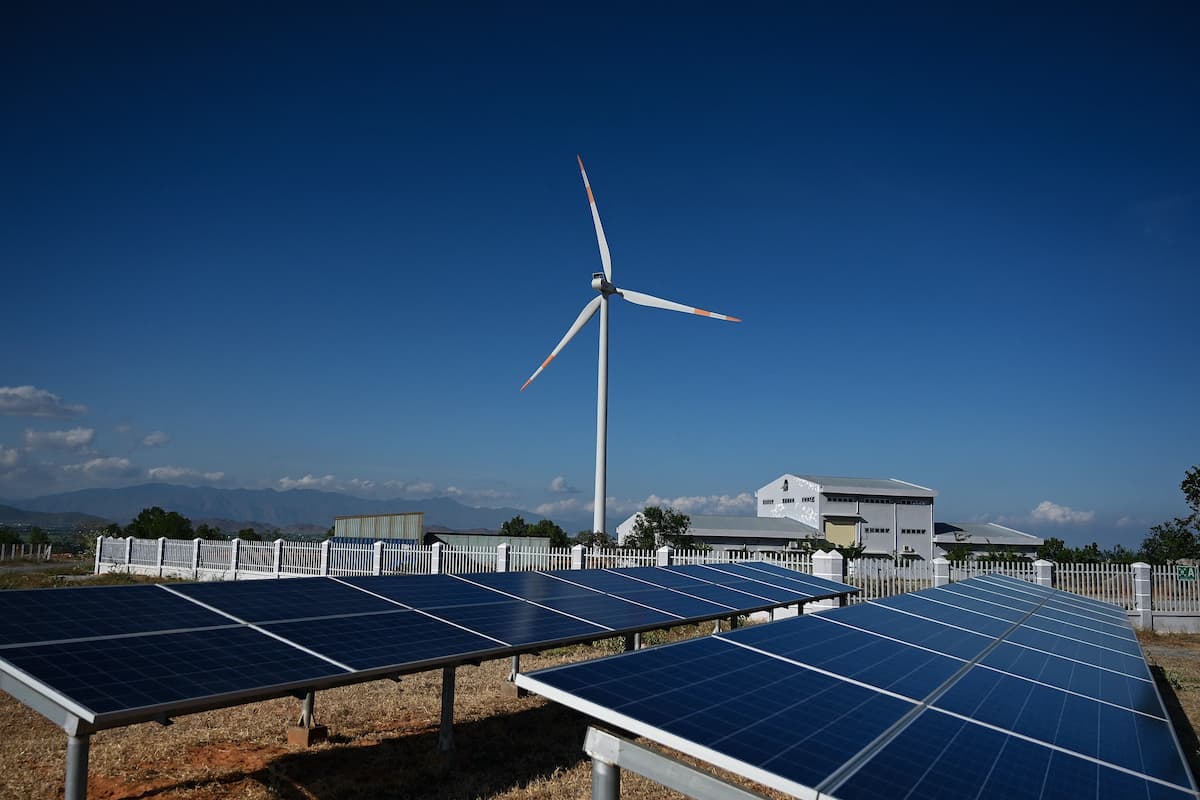
Charting a Course to Energy Independence in Asia
Why It Matters
The crisis underscores the economic and social risks of fuel import dependence while demonstrating that renewable solutions can deliver cheaper, more secure power for vulnerable consumers across Southeast Asia.
Key Takeaways
- •Philippines first to declare national energy emergency over supply shock
- •Coal and LNG spikes threaten affordable electricity for low‑income families
- •Solar plus four‑hour storage now cost‑competitive with new coal plants
- •640 GW of planned coal capacity faces rapid economic obsolescence
- •Transition credits and financing tools emerging to accelerate renewable adoption
Pulse Analysis
The Philippines’ emergency declaration sent a clear signal that reliance on imported fuels is no longer a viable strategy for energy security. As LNG surged and coal prices jumped up to 30 %, households already stretched by high electricity bills faced a new wave of price volatility. The shock reverberated across Southeast Asia, where Vietnam, Indonesia, Bangladesh and Pakistan share similar import‑heavy power mixes, highlighting a systemic vulnerability that threatens both economic stability and social equity.
RMI’s latest analysis, supported by the Rockefeller Foundation, quantifies the shifting economics of power generation. Over the past decade solar module costs have fallen roughly 70 %, onshore wind 55 %, and battery storage an astonishing 90 %, making solar‑plus‑storage projects not only comparable but often 30‑50 % cheaper than the most efficient new coal plants by 2030. With 640 GW of coal capacity still in the pipeline—most of it in low‑ and middle‑income markets—the report argues that many of these projects are now financially stranded, especially those conceived before the recent cost declines.
Policymakers are therefore confronted with a choice: double‑down on legacy fuel imports or accelerate a transition to domestically sourced renewables. Emerging financing tools such as transition credits and green bonds are easing the path for utilities to retire coal contracts and invest in solar‑plus‑storage assets. Regional grid integration and flexible, clean dispatchable resources can further mitigate reliability concerns. If the current crisis spurs decisive action, Southeast Asia could move toward genuine energy independence, lower emissions, and more resilient power systems for the region’s most vulnerable populations.
Charting a course to energy independence in Asia
Comments
Want to join the conversation?
Loading comments...