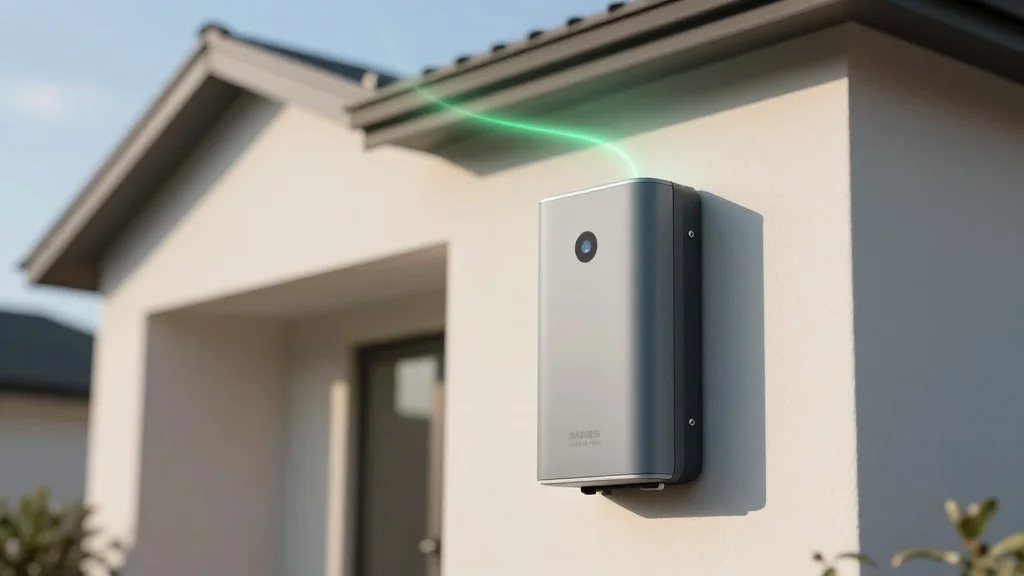
Cheaper Home Batteries 2.0: How the Rebate Changes Will Affect Prices and Consumer Choices
Why It Matters
The revised rebate reshapes the economics of residential battery storage, making modest‑size systems more attractive while reducing subsidies for larger packs, which could accelerate adoption of distributed storage and influence market pricing. It also signals the government’s intent to sustain the program and protect consumer outcomes.
Key Takeaways
- •Rebate now favors batteries ≤14 kWh with higher discount rates.
- •STC factor drops from 8.4 to 6.8 in May, halving large‑battery rebates.
- •Average battery size fell from 40 kWh to ~25 kWh after policy shift.
- •Installers limited to two jobs per day; compliance warnings issued.
- •State rebates may add extra savings for VPP‑eligible systems.
Pulse Analysis
The Cheaper Home Batteries scheme, launched by the Labor government in 2023, has already supported nearly 350,000 installations and added more than 6.5 GWh of behind‑the‑meter storage. Starting May 1, the rebate will continue but with a re‑scaled discount structure: the full STC‑based discount applies only to the first 14 kWh of usable capacity, 60 % of the discount applies to the next 14 kWh, and a modest 15 % applies up to 50 kWh. At the same time, the STC factor that determines the upfront credit drops from 8.4 to 6.8, and will halve every six months thereafter.
This redesign directly targets smaller battery packs, which align better with the average household solar size of 5‑10 kW. By making a 14 kWh system eligible for the highest rebate, the government hopes to lower the entry price to under $5,000 after incentives, a level many owners consider affordable. Larger batteries, such as 40 kWh units, will see their subsidy cut by roughly $6,000, reducing the net cost advantage and nudging consumers toward right‑sizing. Installers are also reminded to limit jobs to two per day and honor contracts, tightening compliance.
The policy shift has ripple effects across the Australian renewable ecosystem. More affordable, appropriately sized batteries can be aggregated into virtual power plants, providing grid services and enhancing energy security, especially in states like NSW, WA and the Northern Territory that offer additional rebates for VPP participation. At the same time, manufacturers may adjust product lines toward 10‑14 kWh modules to capture the rebate premium. Over the longer term, the gradual decline of the STC factor mirrors the solar‑panel rebate trajectory, suggesting a phased transition toward market‑driven pricing for home storage.
Cheaper Home Batteries 2.0: How the rebate changes will affect prices and consumer choices
Comments
Want to join the conversation?
Loading comments...