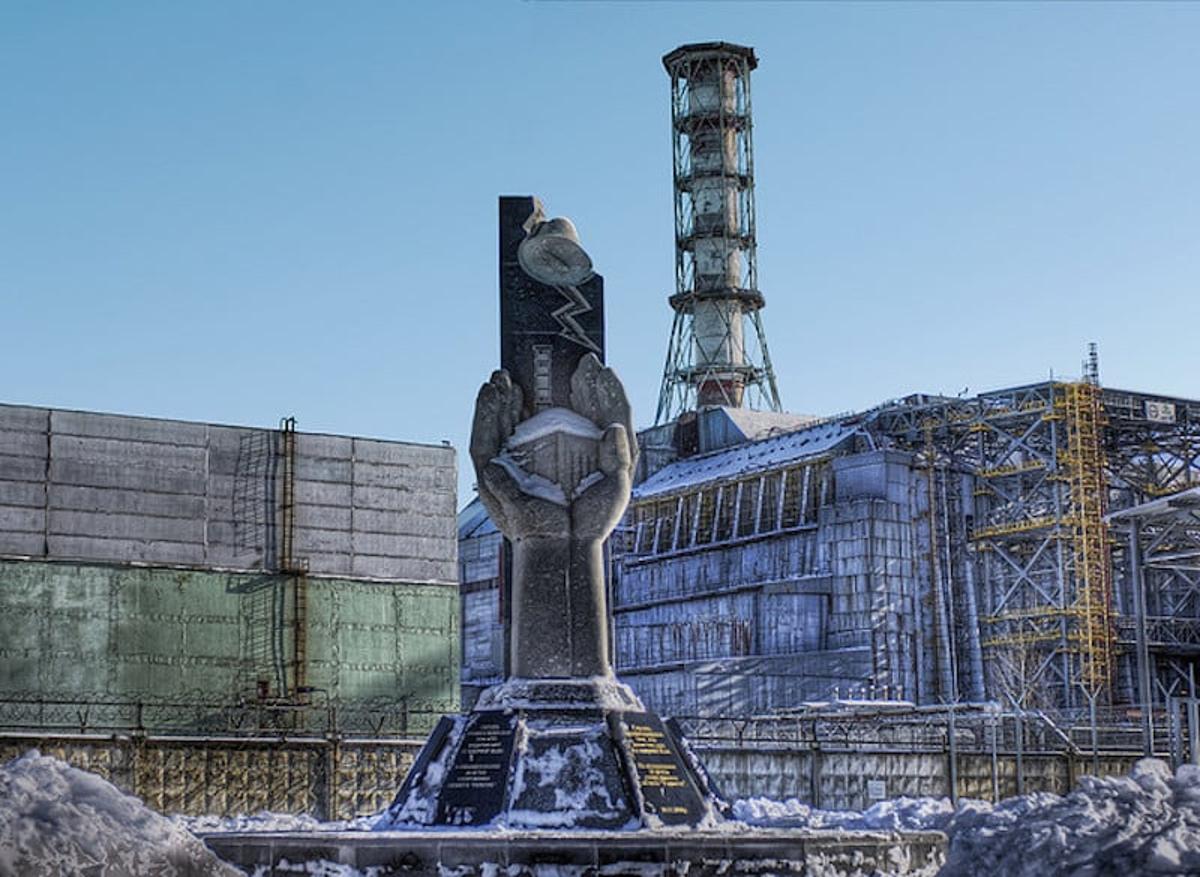
Chernobyl: The Work of Self-Confident Fools, After Whom Invisible Heroes Had to Clean Up
Why It Matters
Chernobyl’s mishandling reshaped global nuclear policy and public opinion, making transparency and trust critical for any future energy strategy. Understanding this history helps policymakers address lingering fear and design credible safety frameworks.
Key Takeaways
- •Chernobyl amplified public nuclear fear beyond existing weapon anxieties
- •Soviet cover‑up eroded trust in state‑run nuclear programs
- •Glasnost failed to prevent misinformation during the disaster
- •Fear of invisible hazards drives stricter nuclear safety regulations
- •Transparent communication now essential for nuclear energy acceptance
Pulse Analysis
Fear of the unseen has long guided human survival instincts, and nuclear technology epitomizes that invisible threat. When the Chernobyl reactor exploded in 1986, the world witnessed not only a physical release of radiation but also a psychological release of dread. The accident turned abstract anxieties about atomic power into a concrete narrative of catastrophe, reinforcing a cultural bias that equates nuclear energy with uncontrollable danger. This perception continues to shape consumer sentiment and political discourse, compelling governments to adopt more rigorous safety standards and public outreach programs.
The Soviet response to Chernobyl further entrenched mistrust. Despite Gorbachev’s promises of glasnost, officials concealed the scale of the disaster, delayed evacuations, and even staged celebratory events amid the fallout. The resulting information blackout demonstrated how state secrecy can amplify fear, turning a technical failure into a symbol of governmental incompetence. Historians now view the cover‑up as a pivotal moment that shattered confidence not only in the USSR’s nuclear program but also in the broader promise of state‑managed technology.
Today, the Chernobyl legacy informs every debate over new reactors, small modular designs, and nuclear waste management. Policymakers recognize that technical safety alone will not win public approval; transparent communication and independent oversight are equally vital. As nations grapple with climate goals and seek low‑carbon energy sources, the lessons of Chernobyl remind stakeholders that rebuilding trust requires confronting the invisible—both the radiation and the lingering shadows of past deception.
Chernobyl: the work of self-confident fools, after whom invisible heroes had to clean up
Comments
Want to join the conversation?
Loading comments...