Chevron CEO Says Venezuela Must Do More for Oil Industry Revival
Companies Mentioned
Why It Matters
Reviving Venezuela’s oil output could bolster U.S. energy security and open a multi‑billion‑dollar investment arena, but execution risks remain.
Key Takeaways
- •Venezuela eased oil taxes to attract foreign investors
- •Chevron CEO sees progress but deems reforms insufficient
- •US oil executives met acting president, indicating rising investment interest
- •Skilled workforce loss may slow large‑scale oil revival
Pulse Analysis
In early 2026 Venezuela abandoned decades of nationalist oil policy, slashing royalties and corporate taxes to lure external capital. The change came on the heels of a dramatic U.S. operation that captured President Nicolás Maduro, installing former foreign minister Delcy Rodríguez as acting head of state. Washington’s administration, under President Donald Trump, has paired the policy shift with a broader energy push, invoking the Defense Production Act to funnel federal funds into strategic projects. These moves aim to re‑open one of the world’s largest proven‑reserve basins to private investment after years of isolation.
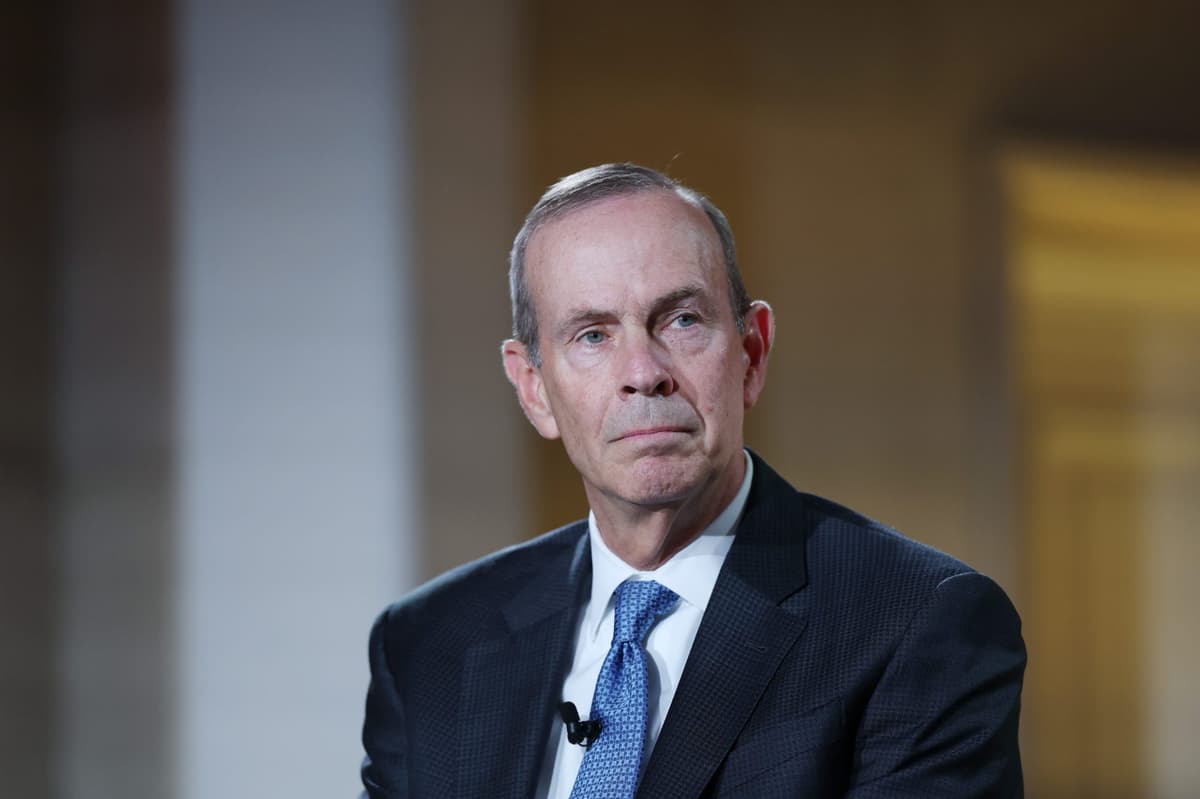
Chevron’s chief executive Mike Wirth welcomed the policy tweak, calling it a step forward but stressing that the reforms alone won’t generate the scale of capital required to restart production. He noted that a cadre of U.S. oil leaders recently met Rodríguez in Caracas, signaling renewed corporate appetite for Venezuelan assets. Yet Wirth warned that the country’s oil workforce has been hollowed out by emigration, and rebuilding the technical talent pool will take years. The combination of regulatory uncertainty, supply‑chain constraints and labor shortages means any investment timeline will be longer than the administration’s rhetoric suggests.
If foreign firms can overcome these hurdles, a revitalized Venezuelan sector could add billions of barrels per day to global supply, easing U.S. energy‑price pressures and diversifying import sources. Analysts estimate that even modest investment could unlock $10‑$15 billion in upstream projects over the next decade, a figure that would attract majors beyond Chevron, such as ExxonMobil and BP. However, geopolitical risk remains high; any reversal in U.S. policy or renewed sanctions could quickly erode investor confidence. Market participants will therefore watch closely how quickly Venezuela can stabilize its legal framework, secure financing, and rebuild its human capital before committing large‑scale capital.
Chevron CEO says Venezuela must do more for oil industry revival
Comments
Want to join the conversation?
Loading comments...