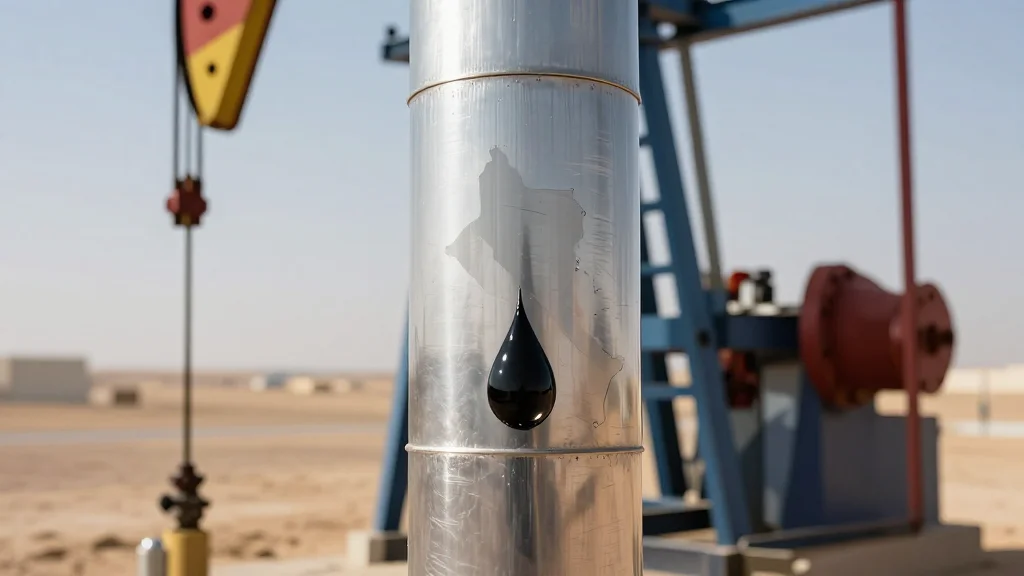
Chevron Is Negotiating for a Stake in a Massive Oilfield in Iraq: 3 Key Takeaways for Investors
Companies Mentioned
Why It Matters
The Iraqi stakes give Chevron a sizable new reserve base while reinforcing U.S. policy goals, offering a long‑term growth catalyst for the integrated oil major.
Key Takeaways
- •Chevron secures production rights at Iraq's West Qurna 2 field.
- •West Qurna 2 holds ~13 billion barrels, ~10% of Iraq's output.
- •Combined Iraqi assets could lift production to 6 million barrels/day by 2029.
- •Displacing Russian firms aligns with U.S. geopolitical strategy.
- •Iraq projects represent under 5% of Chevron's total output.
Pulse Analysis
The ongoing conflict in Iran and renewed optimism around Venezuela have thrust energy stocks into the spotlight, and Chevron (CVX) has capitalized on the turbulence by negotiating stakes in two of Iraq’s largest oilfields. Securing production at West Qurna 2 and rights at the Nasiriyah field positions the integrated major to tap roughly 17 billion barrels of recoverable oil. While the Middle East currently accounts for only about five percent of Chevron’s global output, the move signals a deliberate diversification beyond its traditional focus on the Americas and Africa.
Industry analysts estimate that the combined output from West Qurna 2 and Nasiriyah could reach six million barrels per day by 2029, a volume that would add a meaningful tailwind to Chevron’s earnings profile. At current oil prices, the incremental cash flow from these fields could generate several billion dollars annually, helping to offset the company’s modest 13.3% gross margin pressure and sustain its 3.6% dividend yield. However, the assets represent a small fraction of Chevron’s $380 billion market cap, so the market’s 25% YTD share price gain reflects broader geopolitical sentiment rather than immediate financial impact.
The strategic displacement of Russian operators in Iraq dovetails with Washington’s broader effort to curb Moscow’s energy influence, especially in markets like China that rely on Russian crude. By securing Iraqi barrels, Chevron not only diversifies its supply chain but also positions itself as a preferred partner for U.S. policy objectives, potentially unlocking diplomatic support and smoother permitting processes. For investors, the deal offers a long‑term play on secular oil demand and a hedge against geopolitical risk, but the upside will materialize gradually as production ramps up and contracts are fully executed.
Chevron Is Negotiating for a Stake in a Massive Oilfield in Iraq: 3 Key Takeaways for Investors
Comments
Want to join the conversation?
Loading comments...