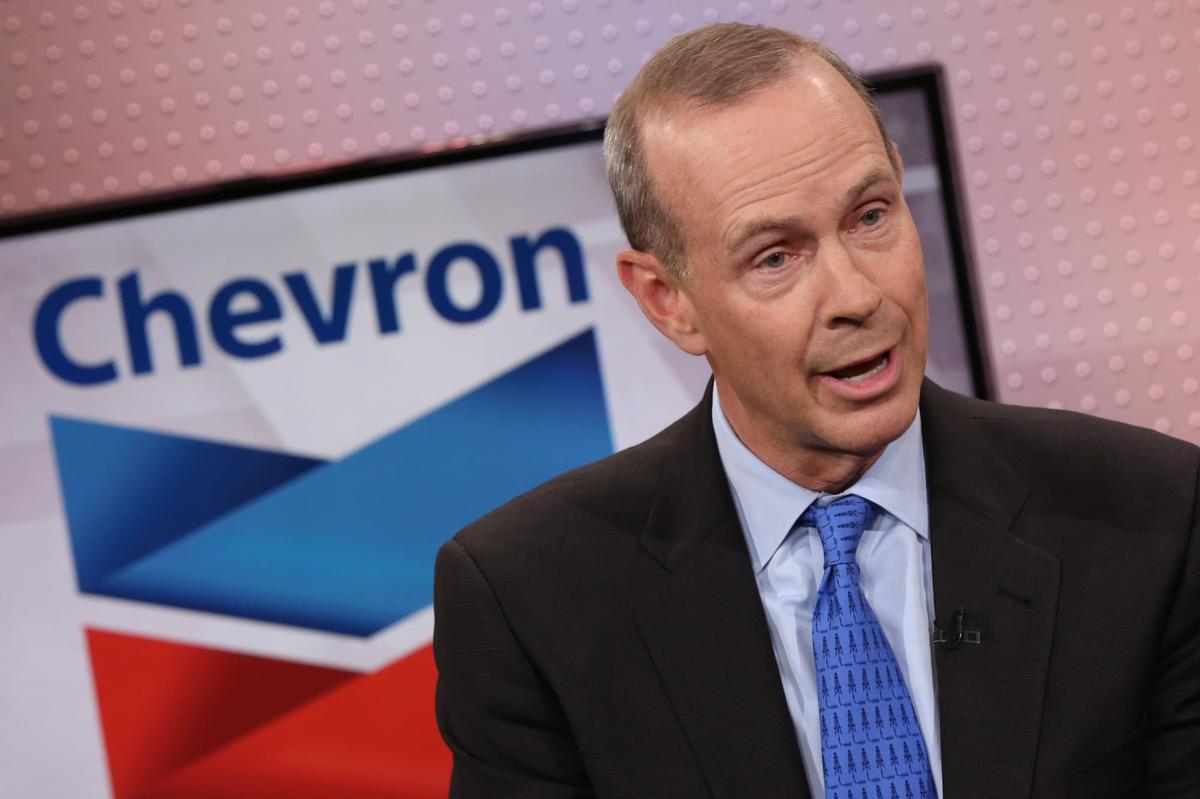
Chevron Warns Fuel Cost Pressure May Spread Across U.S. Economy
Companies Mentioned
Why It Matters
Elevated fuel prices will ripple through transportation, consumer spending and corporate margins, risking renewed inflation at a time of already tight household budgets.
Key Takeaways
- •Iran‑Hormuz conflict cuts 12‑13 mn barrels/day from global supply
- •Declining inventories remove market cushion, pushing Brent above $93/bbl
- •Chevron warns summer fuel prices could rise, hitting consumers and logistics
- •Higher energy bills may erode corporate margins and curb discretionary spending
- •Rebuilding strategic reserves could add demand, further tightening markets
Pulse Analysis
The ongoing war between Iran and its regional rivals has choked the Strait of Hormuz, a conduit for roughly 20% of world oil shipments. Analysts estimate the blockage has removed between 12 million and 13 million barrels per day from the market, a shock that coincides with a steady drawdown of U.S. Strategic Petroleum Reserve releases and already low pre‑war stockpiles. With Brent hovering above $93 a barrel and West Texas Intermediate near $90, the loss of these safety buffers is translating into upward pressure on spot prices, a trend Chevron’s chief executive warned could intensify through June and July.
Rising pump prices do not stay confined to motorists; they cascade through freight rates, airline tickets and the cost of goods that rely on road or rail transport. For American households already coping with elevated rent and food bills, higher fuel costs shrink discretionary income and can reignite inflationary pressures that the Federal Reserve has been trying to tame. Retailers may see slower foot traffic, while logistics firms face tighter margins unless they can pass on the expense, creating a feedback loop that could dampen summer consumer confidence.
Companies and policymakers now face a trade‑off between rebuilding strategic reserves and avoiding further market tightening. Refilling the SPR would inject demand into an already constrained market, potentially spiking prices in the short term but restoring a buffer against future shocks. Meanwhile, corporations are likely to revisit capital‑expenditure plans, especially in energy‑intensive sectors such as manufacturing and transportation, to hedge against prolonged price volatility. Investors will watch earnings reports closely for signs of margin compression, and any escalation in the Hormuz dispute could keep oil markets on a volatile trajectory well into next year.
Chevron Warns Fuel Cost Pressure May Spread Across U.S. Economy
Comments
Want to join the conversation?
Loading comments...