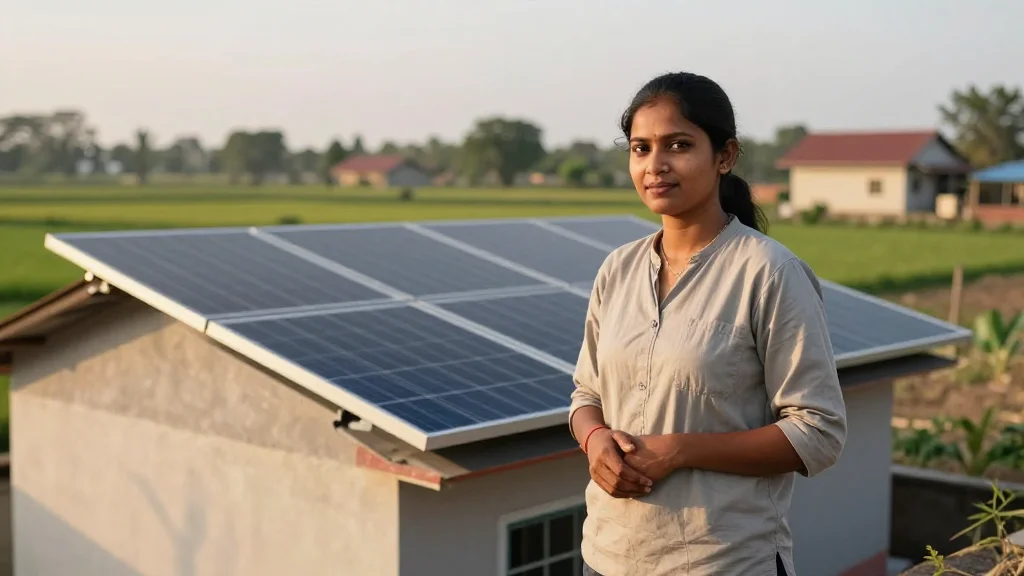
Chhattisgarh Bets on ‘Solar Didis’ for Green Energy & Womenpreneurship
Why It Matters
By turning women from energy consumers into owners and technicians, the program boosts rural reliability, creates jobs, and accelerates India’s renewable‑energy transition. It also demonstrates a scalable model for gender‑inclusive green development.
Key Takeaways
- •Dweepti Yojana trains women to install and maintain solar systems
- •Solar Didis will manage irrigation pumps, cold storages, and mills
- •25% of panchayat maintenance contracts reserved for women energy groups
- •Pay‑per‑use model reduces upfront cost for rural households
- •Self‑help groups become women‑led energy cooperatives
Pulse Analysis
India’s renewable‑energy push has increasingly focused on decentralised solutions, but many remote villages still suffer from frequent power outages and a shortage of qualified technicians. Chhattisgarh’s Dweepti Yojana tackles this gap by converting traditional self‑help groups into women‑run energy cooperatives. By training “Solar Didis” to service solar‑powered irrigation pumps, flour mills and cold storages, the state not only improves energy reliability but also addresses long‑standing gender disparities in technical fields.
The economic logic of the scheme is equally compelling. A pay‑per‑use and pay‑as‑you‑go tariff structure eliminates the need for large capital outlays, making solar assets accessible to low‑income households. Reserving a quarter of panchayat maintenance contracts for these women‑led groups guarantees a steady revenue stream, turning community service into a viable livelihood. Early pilots suggest that local ownership reduces downtime from equipment failures, as repairs can be performed on‑site rather than waiting for distant engineers.
On a broader scale, the initiative dovetails with India’s national net‑zero commitments and the government’s push for inclusive growth. If successful, the model could be replicated across other states seeking to combine renewable‑energy expansion with women’s empowerment. Investors and development agencies are likely to view the program as a low‑risk, high‑impact opportunity that delivers both climate and social returns, positioning Chhattisgarh as a potential blueprint for gender‑focused green transitions worldwide.
Chhattisgarh bets on ‘solar didis’ for green energy & womenpreneurship
Comments
Want to join the conversation?
Loading comments...