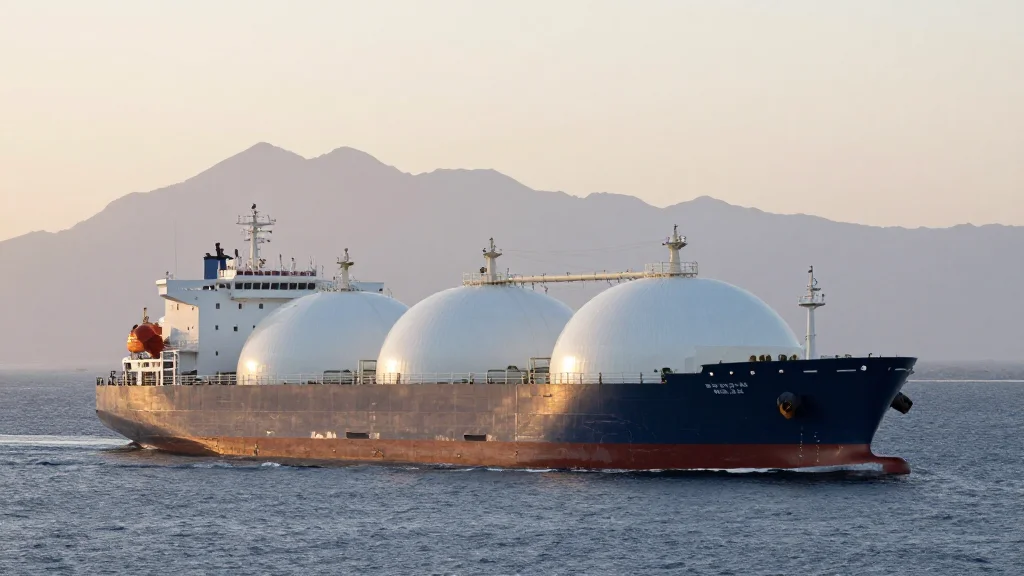
Chile Weighs LNG Export Hub Role for Argentine Natural Gas
Why It Matters
The hub would give Argentina a direct route to high‑value Asian LNG demand, while Chile could capture transit fees and strengthen its energy security. It signals a shift toward South American participation in the global LNG supply chain.
Key Takeaways
- •Chile explores Pacific LNG hub to transport Argentine gas
- •Argentina's Neuquén basin drives surge in shale gas production
- •Asian demand fuels interest in South American LNG supply routes
- •Chile aims to diversify energy imports and boost export revenues
- •Regional cooperation could reshape Southern Hemisphere energy geopolitics
Pulse Analysis
Argentina’s natural‑gas sector has entered a rapid expansion phase, driven primarily by the Neuquén basin and the Vaca Muerta shale play. Production forecasts suggest a steady climb through 2025, positioning the country among the world’s emerging LNG exporters. This surge is underpinned by substantial private investment and supportive government policies that aim to monetize the country’s vast unconventional resources. As output rises, the logistical challenge of moving gas to distant markets becomes a focal point for regional planners.
Chile, with its extensive Pacific coastline and well‑developed port facilities, is uniquely situated to serve as a transshipment hub. By constructing or repurposing LNG terminals, the nation could offer Argentine producers a cost‑effective gateway to Asian buyers, who are scrambling for diversified supply amid geopolitical tensions. The hub would also allow Chile to reduce reliance on imported fossil fuels, enhancing its energy independence and creating a new revenue stream from handling and processing fees. However, the project faces hurdles such as financing, regulatory alignment, and the need for robust pipeline connections across the Andes.
The broader implications extend beyond bilateral trade. A functional Chile‑Argentina LNG corridor could reshape the Southern Hemisphere’s energy map, offering Asian markets a southern‑hemisphere source that competes with traditional Middle‑Eastern and African exporters. This diversification may attract further foreign direct investment into the region’s infrastructure, spurring job creation and technological transfer. Moreover, the initiative underscores a growing trend of Latin American countries leveraging their natural‑resource endowments to play a more active role in global energy markets, potentially altering pricing dynamics and supply security considerations worldwide.
Chile Weighs LNG Export Hub Role for Argentine Natural Gas
Comments
Want to join the conversation?
Loading comments...