China and Turkmenistan Cannot Get Their Gas Export Numbers Straight
Why It Matters
The conflicting figures undermine trust in Turkmen‑China energy cooperation and cast doubt on the feasibility of ambitious export expansion, affecting regional gas markets and investment decisions.
Key Takeaways
- •Turkmen leader claims 40 bcm exports, China says 30 bcm
- •Line D pipeline remains stalled, delaying 65 bcm target
- •Existing pipelines operate below 55 bcm capacity
- •Discrepancy raises doubts over bilateral energy data transparency
- •Turkmen student flow to China exceeds US numbers
Pulse Analysis
The Turkmen‑China gas dialogue underscores a broader challenge in Central Asian energy reporting: divergent official statistics can distort market expectations. While President Gurbanguly Berdymukhamedov cited a 40 bcm average and a 65 bcm future target, Chinese diplomatic sources reported only 30 bcm delivered in 2025, with no growth anticipated. This mismatch not only complicates pricing negotiations but also signals potential over‑optimism in Ashgabat’s export strategy, especially as the three operational pipelines (A, B, C) remain below their 55 bcm design capacity.
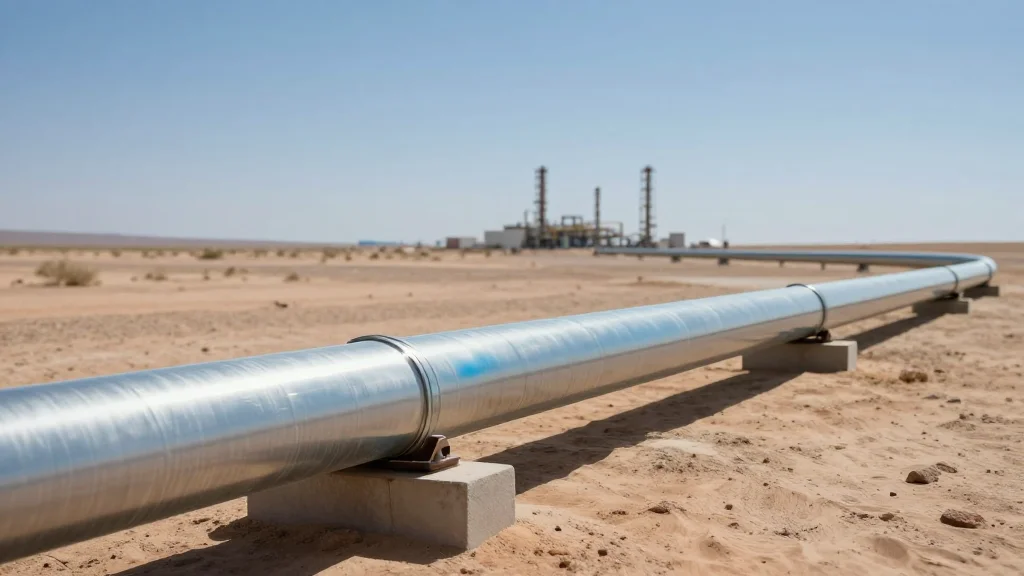
At the heart of the dispute lies Line D, a long‑planned pipeline intended to unlock the 65 bcm ambition. Initiated in 2014, the project stalled amid pricing disagreements and has not resumed, leaving both governments without a clear path to expand capacity. The delay hampers Turkmenistan’s ability to diversify its export portfolio and reduces China’s leverage in securing stable, long‑term gas supplies from the region. Investors watch closely, as any revival of Line D would likely attract financing tied to China’s Belt and Road initiatives and could reshape Central Asian gas flows.
Beyond energy, the interview highlighted soft‑power dimensions, noting more than 10,000 Turkmen students in China—making Beijing the second‑largest destination after Russia. This educational exchange deepens bilateral ties and creates a pipeline of future professionals familiar with Chinese language and business practices, potentially smoothing future trade negotiations. However, the data inconsistency may erode confidence among stakeholders, prompting both sides to seek more transparent reporting mechanisms to sustain the partnership’s long‑term viability.
China and Turkmenistan cannot get their gas export numbers straight
Comments
Want to join the conversation?
Loading comments...