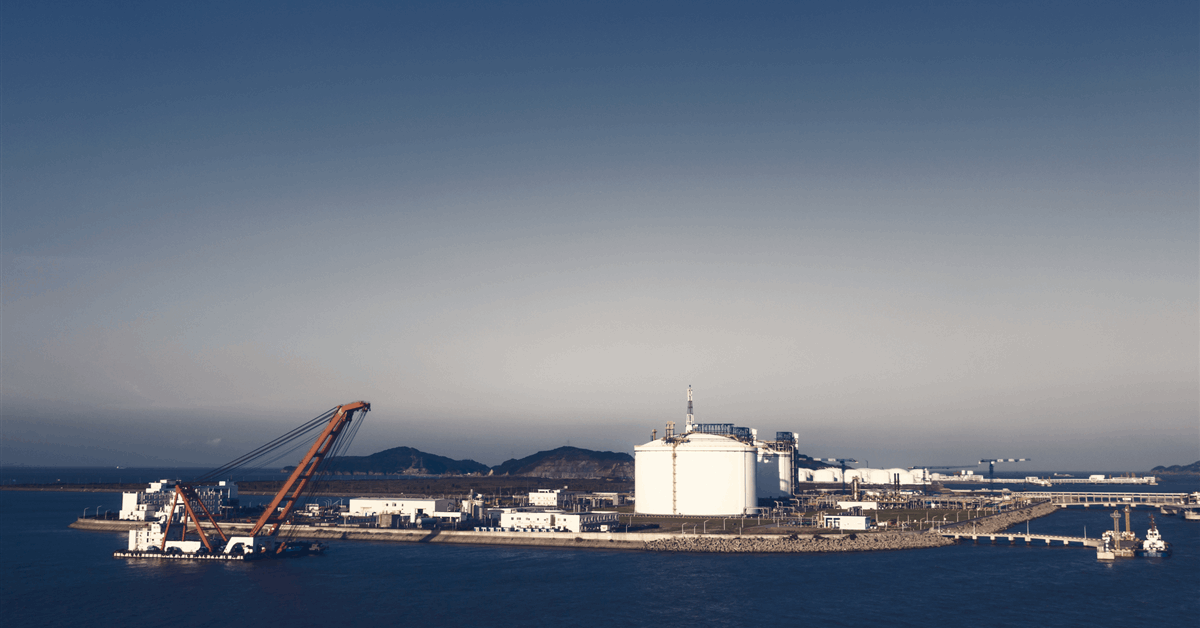
China LNG Imports Signal Recovery
Companies Mentioned
Why It Matters
The shift signals China’s ability to diversify LNG supply amid geopolitical disruptions, affecting global gas markets and pricing dynamics. Higher domestic prices also create arbitrage opportunities for traders and pressure utilities to balance fuel mixes.
Key Takeaways
- •30‑day LNG import average hits highest since late February
- •Gap to five‑year average halved since early April
- •Qatar's export halt cut Chinese LNG supply, prompting alternative sources
- •Canadian and Nigerian sellers fill Qatari shortfall for China
- •Guangdong trucked LNG price up ~70% since March, now above spot
Pulse Analysis
The global liquefied natural gas market has been rattled by the ongoing Middle East conflict, which forced the closure of the Strait of Hormuz—an artery that carries roughly 20% of world LNG supply. Qatar, supplying about 30% of China’s LNG last year, halted exports, sending ripples through Asian importers. For China, the disruption arrived at a time when domestic gas inventories were already declining, prompting a scramble for alternative cargoes. The recent uptick in imports reflects a tentative stabilization, but the underlying geopolitical risk remains high.
China’s response has hinged on a diversified supply strategy. Sellers from Canada, Nigeria and other regions have stepped in to replace Qatari volumes, while the country leans on robust domestic production and overland pipelines that lessen reliance on seaborne LNG. Utilities also retain a flexible fuel basket, ranging from coal to renewables, to maintain reliability. Meanwhile, domestic trucked LNG prices in Guangdong have jumped nearly 70% since March, overtaking overseas spot rates and creating arbitrage incentives for traders. This price surge underscores the tight balance between supply constraints and rising seasonal demand.
Looking ahead, weather patterns will add further pressure. Forecasts of above‑normal temperatures across southern China through May, combined with an anticipated El Niño later in the year, are set to boost air‑conditioning loads and elevate gas consumption. If the Strait of Hormuz remains closed, spot LNG prices could stay elevated, eroding the recent import rebound once summer wanes. Energy firms will need to hedge against both geopolitical and climatic risks, while global LNG exporters may find China’s market increasingly price‑sensitive and opportunistic.
China LNG Imports Signal Recovery
Comments
Want to join the conversation?
Loading comments...