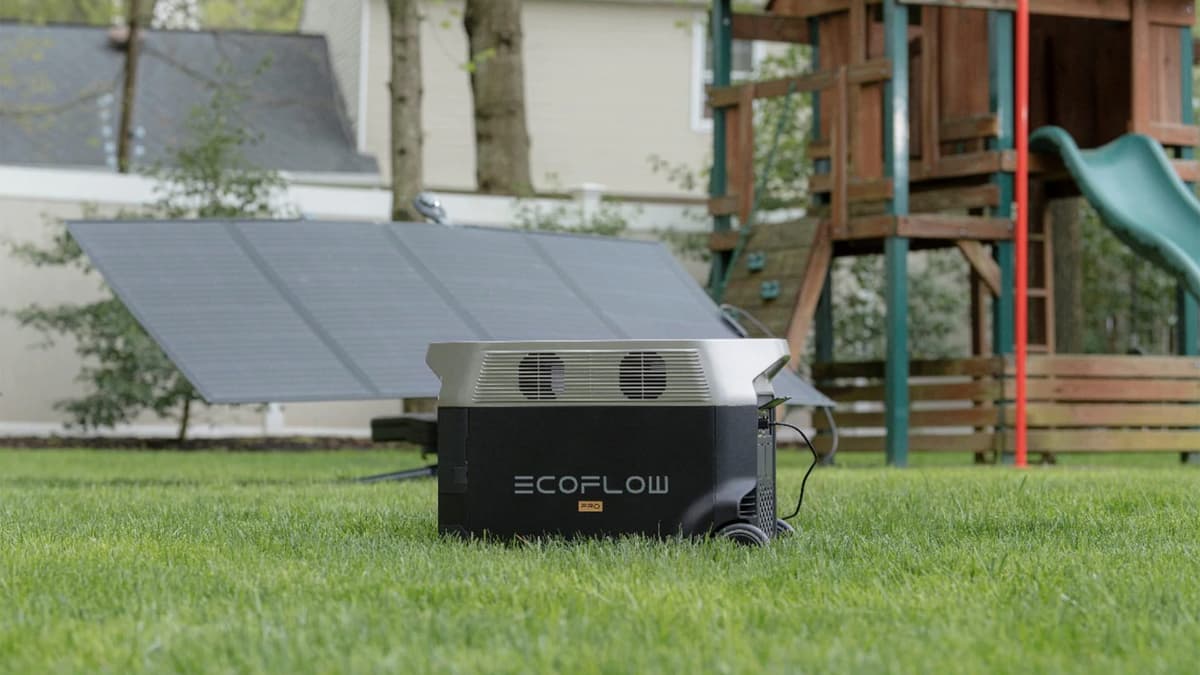
China’s EcoFlow to Sell Solar Panels in British Supermarkets Soon
Why It Matters
Plug‑in solar panels could lower UK household energy bills and speed progress toward the nation’s net‑zero goals, while giving EcoFlow a foothold in a high‑growth market.
Key Takeaways
- •EcoFlow teams with Lidl and Iceland to sell solar panels in supermarkets
- •UK regulations require electrician wiring, slowing adoption versus Europe
- •Government aims for 1.5 million energy‑efficient homes, spurring renewable demand
- •EcoFlow targets small businesses, agriculture, and off‑grid applications
Pulse Analysis
The United Kingdom’s renewable‑energy landscape is at a tipping point, with soaring electricity costs and a government‑driven net‑zero agenda prompting consumers to explore alternatives to the grid. EcoFlow’s plug‑in solar solution—designed to connect directly to a wall socket—offers a low‑entry barrier for households that lack the space or capital for traditional rooftop arrays. By partnering with mainstream retailers like Lidl and Iceland, the Chinese firm taps into high‑traffic retail channels, turning everyday grocery trips into opportunities for sustainable technology adoption. This strategy mirrors a broader shift toward commoditising clean energy, making it as accessible as household appliances.
However, the UK’s regulatory environment presents a unique hurdle. Unlike France or Germany, where EcoFlow’s systems can be plugged in without professional installation, British law mandates that a qualified electrician wire the unit to the mains, adding cost and complexity. This requirement dampens the plug‑and‑play appeal that the product promises and could slow market penetration. The Department for Energy Security and Net Zero has signalled willingness to relax safety standards, but concrete policy changes remain pending. Meanwhile, the government’s target of 1.5 million energy‑efficient homes underscores a massive, yet regulated, demand pipeline that could reward firms able to navigate the compliance maze.
Strategically, EcoFlow’s UK push serves multiple purposes. It diversifies the company’s revenue beyond China’s centralized energy market, where portable chargers dominate, and positions it to capture the burgeoning small‑business and off‑grid segments. The partnership with supermarkets also mitigates brand‑recognition challenges, leveraging established retail trust. Yet, geopolitical concerns linger; recent security blocks on Chinese wind‑turbine projects have heightened scrutiny of Chinese tech in critical infrastructure. EcoFlow’s emphasis on data security and compliance aims to allay these fears, but sustained success will hinge on balancing rapid market entry with the UK’s evolving regulatory and security landscape.
China’s EcoFlow to sell solar panels in British supermarkets soon
Comments
Want to join the conversation?
Loading comments...