China’s Gotion and Richardson Electronics Partner for US-Made BESS
Why It Matters
The partnership provides a pathway for Chinese‑origin technology to remain in U.S. supply chains despite FEOC restrictions, bolstering domestic battery capacity and grid resilience. It signals growing investor confidence in U.S. clean‑energy manufacturing incentives.
Key Takeaways
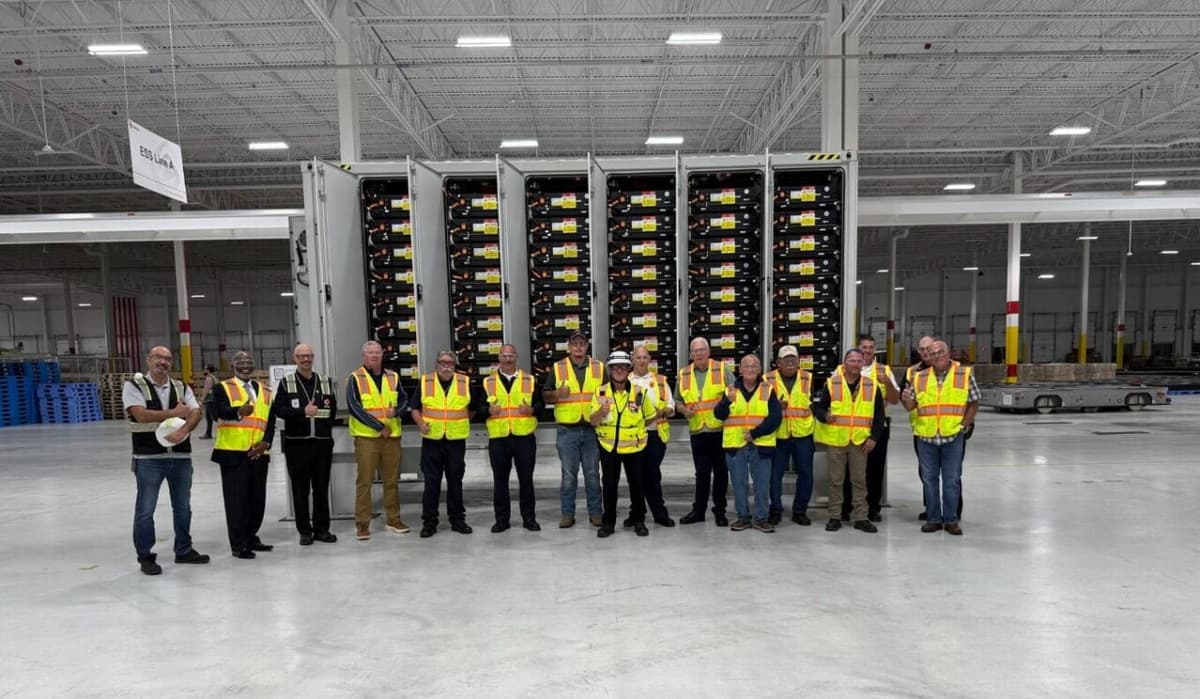
- •Gotion and Richardson to build 760 kWh and 5 MWh BESS in Illinois
- •$8.5 million investment expands Richardson’s La Fox site for battery production
- •Partnership aims to sidestep FEOC restrictions on foreign‑linked technology
- •Illinois incentives boost domestic lithium‑ion battery manufacturing capacity
- •Collaboration strengthens U.S. grid resilience and energy‑independence goals
Pulse Analysis
The Gotion‑Richardson alliance reflects a strategic response to the U.S. government’s Foreign Entity of Concern (FEOC) framework, which bars projects that rely heavily on technology owned by entities linked to China, Russia and similar nations from receiving federal tax credits. By pairing Gotion’s advanced lithium‑ion cell platform, produced at its Manteno plant, with Richardson’s seasoned engineering and go‑to‑market capabilities, the duo can claim domestic content while still benefiting from the performance advantages of Gotion’s R&D. This structure helps both companies preserve eligibility for the 45X advanced manufacturing tax credit, a critical driver of recent clean‑energy investment.
Illinois has emerged as a hotbed for battery manufacturing thanks to a suite of state and local incentives, including tax abatements and workforce training grants. The $8.5 million infusion into Richardson’s La Fox facility expands its production footprint, positioning the site to meet rising demand from commercial‑industrial customers seeking 760 kWh modular storage and from utilities eyeing 5 MWh grid‑scale solutions. These capacities address a gap in the U.S. market where most large‑scale storage projects still rely on imported modules, and they align with the state’s broader energy‑transition goals of decarbonizing the grid and enhancing reliability.
Beyond the immediate commercial impact, the partnership signals a broader trend of Chinese battery firms establishing localized, joint‑venture models to navigate geopolitical constraints. As FEOC rules continue to be refined, similar collaborations are likely to proliferate, ensuring that advanced battery technology remains accessible to U.S. developers without jeopardizing federal incentives. For investors and policymakers, the Gotion‑Richardson deal underscores the importance of flexible supply‑chain strategies that balance innovation, regulatory compliance, and domestic job creation in the rapidly evolving energy‑storage landscape.
China’s Gotion and Richardson Electronics partner for US-made BESS
Comments
Want to join the conversation?
Loading comments...