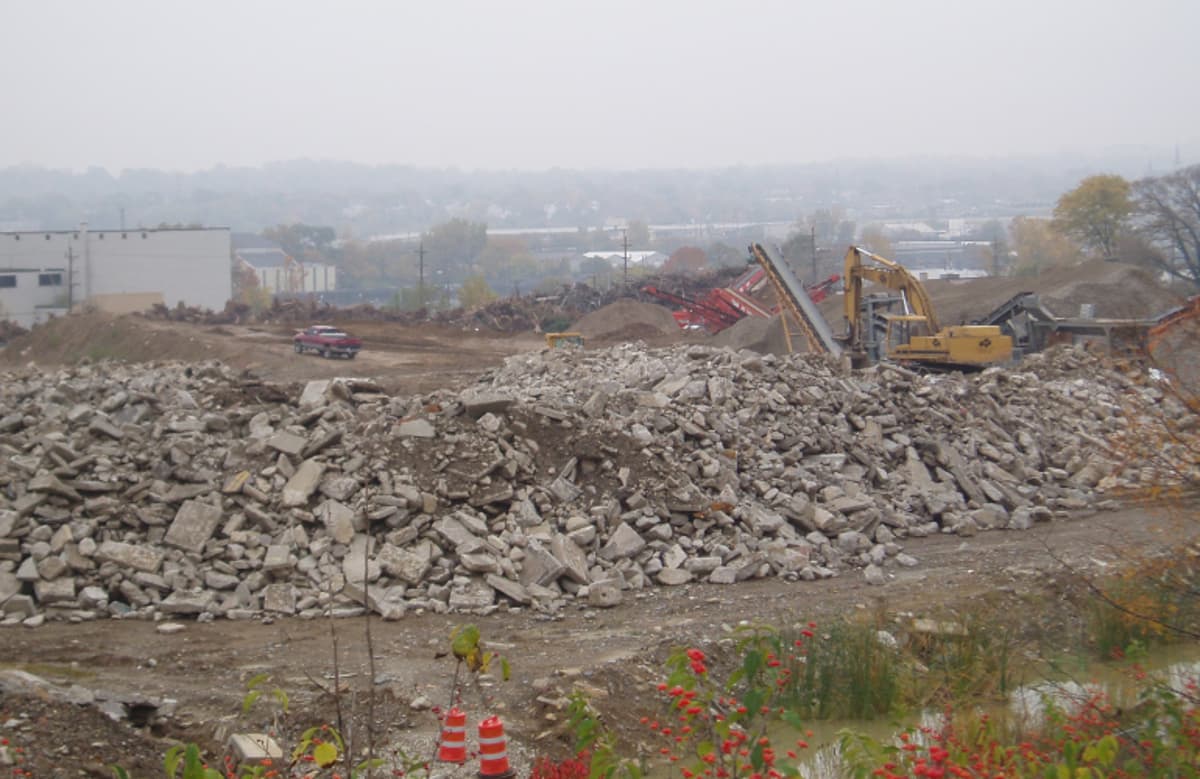
Cincinnati to Turn an Old Landfill Site Into a Solar Power Producer
Why It Matters
The initiative turns a blighted brownfield into a revenue‑generating, climate‑resilient power source, reducing taxpayer exposure to volatile energy prices while showcasing a replicable model for municipal sustainability.
Key Takeaways
- •10‑MW solar farm will generate 18.2 million kWh annually
- •Project repurposes 64‑acre former landfill into clean‑energy hub
- •City expects lower municipal electricity costs and rate stability
- •UPower Energy will develop and maintain the solar installation
- •Construction prioritizes local contractors, boosting Cincinnati’s clean‑energy jobs
Pulse Analysis
Cincinnati’s Center Hill Solar project illustrates how municipalities can address two challenges at once: brownfield remediation and renewable‑energy expansion. By installing photovoltaic panels on a capped landfill, the city avoids the high costs of new land acquisition and leverages existing grid connections. This approach aligns with the Green Cincinnati Plan, which targets aggressive emissions cuts and aims to position the region as a leader in climate‑resilient infrastructure. The project’s 10‑MW capacity, while modest compared with utility‑scale farms, delivers a measurable reduction in carbon intensity for city‑owned buildings and serves as a visible commitment to sustainable development.
Financially, the $24 million investment is softened by the federal Investment Tax Credit, which covers about 50 percent of eligible costs. The remaining capital is financed through municipal bonds and a long‑term power purchase agreement that locks in a predictable electricity price for city facilities. This structure shields taxpayers from future rate spikes and creates a steady revenue stream that can be redirected to other public services. Moreover, the emphasis on hiring local electrical contractors and workforce participation injects skilled jobs into the regional economy, reinforcing Cincinnati’s emerging clean‑energy sector.
The Center Hill initiative could become a template for other U.S. cities grappling with legacy waste sites and rising energy bills. By demonstrating that low‑impact mounting systems and pollinator‑friendly landscaping can coexist with high‑energy yield, Cincinnati shows that environmental stewardship need not compromise economic viability. As more municipalities pursue similar brownfield‑to‑brightfield conversions, the cumulative effect could accelerate national renewable‑energy targets while revitalizing distressed neighborhoods. Early success at Center Hill may spur additional public‑private partnerships, expanding the role of municipal solar in the broader energy transition.
Cincinnati to turn an old landfill site into a solar power producer
Comments
Want to join the conversation?
Loading comments...