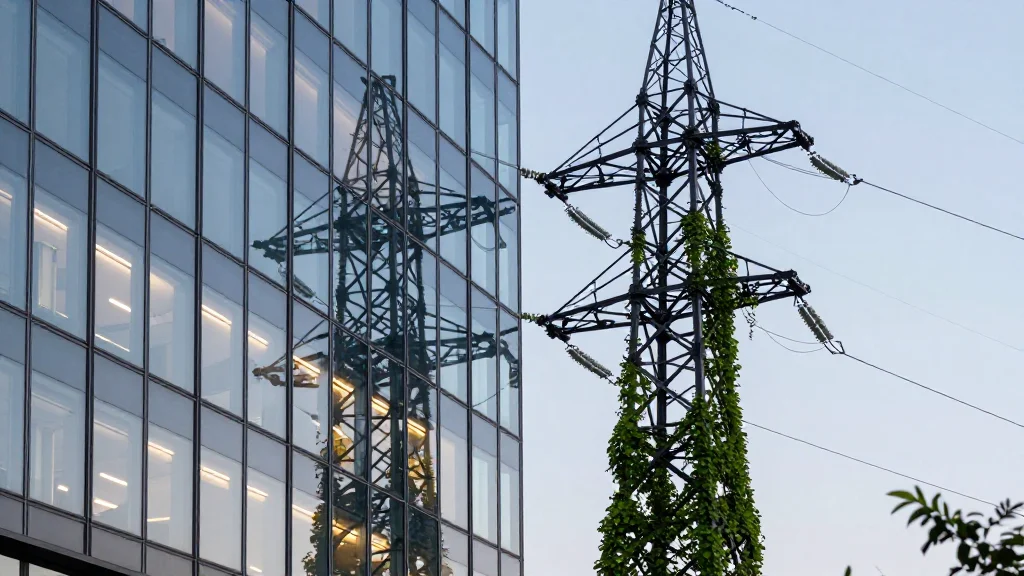
Clean Energy Economy Is ‘Repricing Itself,’ Investor Says at DC Climate Week
Why It Matters
The surge in clean‑energy capital signals that profitability, not politics, is driving the energy transition, reshaping investment strategies across sectors.
Key Takeaways
- •$2.3 trillion invested in clean energy in 2025, up 8% YoY
- •U.S. insured climate losses hit $115 billion in 2025
- •Data centers bought 40 GW renewable power, $400 million capex
- •Tech firms account for ~40% of corporate renewable PPAs
- •Switzer calls decarbonization “EBITDA”, urging early‑stage risk capital
Pulse Analysis
The opening remarks at DC Climate Week underscored a pivotal shift in how capital markets view clean energy. While extreme weather events have driven insured losses beyond $115 billion this year, investors are simultaneously pouring $2.3 trillion into renewable projects, marking an 8% year‑over‑year rise. This dual dynamic reflects a market correction where risk‑adjusted returns, rather than partisan narratives, dictate funding flows. Switzer’s framing of the transition as a "climate correction" highlights that the financial community is beginning to price in the long‑term cost of inaction, aligning capital with the physics of carbon reduction.
Technology firms are at the forefront of this reallocation. Data centers alone consumed 40 gigawatts of renewable electricity last year, translating into $400 million of capital expenditures from just five major players. According to the International Energy Agency, such tech‑driven purchases now represent roughly 40% of all corporate renewable power purchase agreements. This surge not only reduces operational costs for high‑energy users but also creates a competitive moat, as firms that secure low‑cost green power can outpace rivals on margins and sustainability credentials.
For investors, Switzer’s message is a call to move beyond ESG hype and focus on tangible financial outcomes. By treating decarbonization as a driver of EBITDA, capital can be directed toward high‑risk, high‑reward climate technologies—geothermal, tidal, advanced storage, and next‑generation nuclear—that still require early‑stage underwriting. The implication is clear: firms that embed climate‑smart investments into their core financial models will likely capture superior returns, while those clinging to politicized ESG labels risk missing the next wave of profitable, low‑carbon growth.
Clean energy economy is ‘repricing itself,’ investor says at DC Climate Week
Comments
Want to join the conversation?
Loading comments...