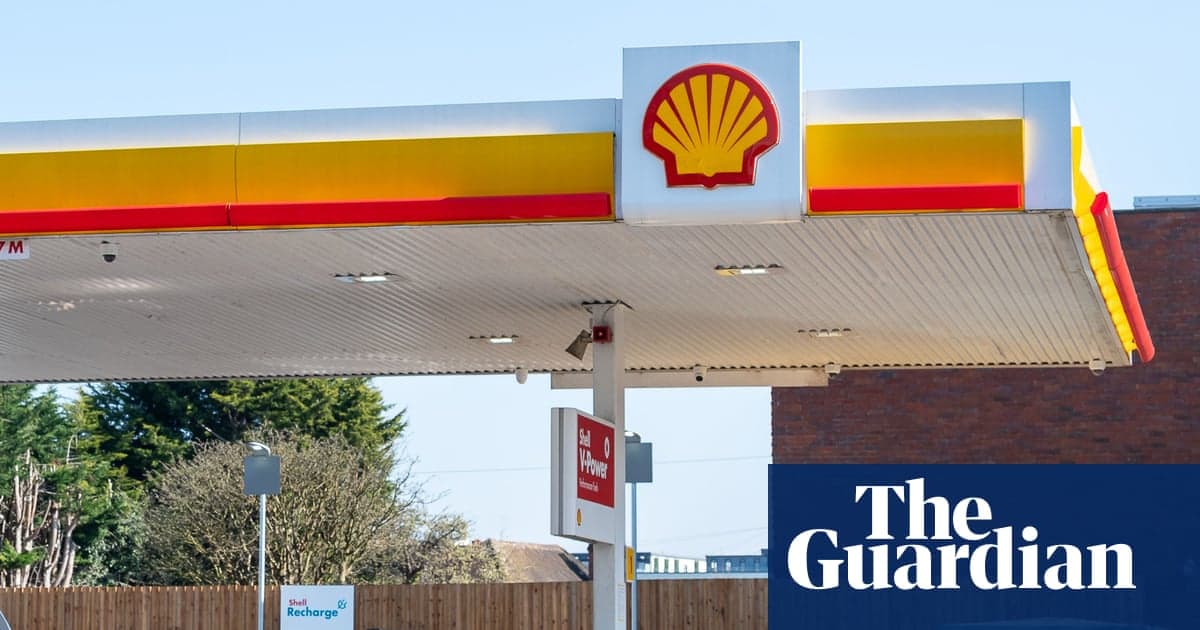
Climate Campaigners Attack Shell over ‘Windfall’ Profits From Iran War
Why It Matters
The profit spike underscores how geopolitical shocks can inflate fossil‑fuel earnings, intensifying pressure on governments to tax windfall gains and accelerate the energy transition. It also highlights the growing disconnect between shareholder rewards and consumer energy costs.
Key Takeaways
- •Shell Q1 profit rose 115% to $6.9 bn, beating forecasts
- •Oil price surge from $61 to $119 per barrel drove earnings
- •Dividend increased 5% as shareholders benefit from higher cash flow
- •Production fell 4% after Qatar Pearl plant drone damage
- •Climate groups demand stronger windfall tax on fossil‑fuel profits
Pulse Analysis
The Iran‑U.S. confrontation has reignited a classic energy‑price rally, pushing Brent crude from roughly $61 a barrel in January to peaks near $119 by March. Shell’s trading desk captured the upside, delivering a $6.9 bn first‑quarter profit that eclipsed market expectations and outstripped rival BP’s $3.2 bn gain. While the earnings surge reflects operational resilience, it also masks a 4% dip in overall oil‑and‑gas output after a drone strike crippled the Pearl gas plant in Qatar, reminding investors that geopolitical risk remains a double‑edged sword.
Beyond the balance sheet, the windfall has sparked a coordinated backlash from climate NGOs such as Fossil Free London, Friends of the Earth, and 350.org. Activists argue that the dividend hike and record payouts reward shareholders while households grapple with soaring pump prices. Their calls for a tougher windfall tax echo similar demands in the UK and Europe, where policymakers are weighing additional levies to fund energy‑bill relief and renewable‑energy subsidies. The debate pits short‑term fiscal revenue against longer‑term climate goals, with the potential to reshape how fossil‑fuel profits are taxed during future crises.
For the broader sector, Shell’s results illustrate the volatility that can accompany conflict‑driven price spikes. Investors may view the profit surge as a temporary boon, but the underlying production setbacks and heightened regulatory scrutiny could dampen confidence. Companies are likely to double down on hedging strategies and accelerate investments in low‑carbon assets to mitigate reputational risk. As governments contemplate stronger windfall taxes, the industry faces a pivotal moment: balance immediate shareholder returns with the mounting pressure to transition toward a more sustainable, resilient energy system.
Climate campaigners attack Shell over ‘windfall’ profits from Iran war
Comments
Want to join the conversation?
Loading comments...