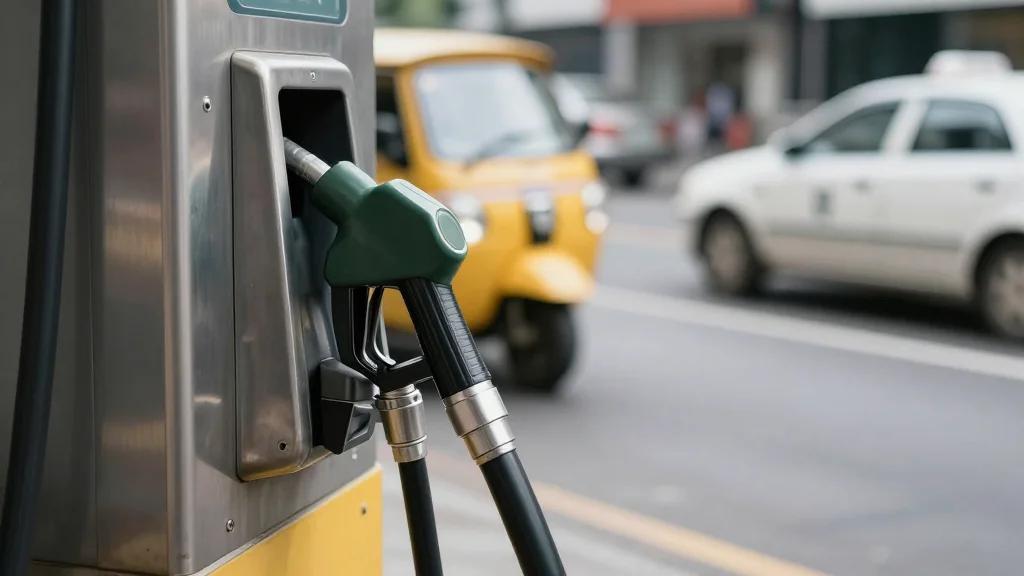
CNG Price Hiked to ₹82 per Kg in Mumbai; Piped Cooking Gas Rate Remains Unchanged
Why It Matters
The modest CNG price rise adds operating costs for millions of commuters and could spur fare hikes, testing the fuel’s cost advantage and influencing urban transport economics.
Key Takeaways
- •MGL lifts Mumbai CNG price to ₹82/kg ($1) per kg
- •Domestic piped gas stays at ₹50/unit ($0.60), sparing 3.1 million households
- •Mumbai’s CNG fleet exceeds 1.2 million vehicles, up 20% YoY
- •CNG still 46% cheaper than petrol, 9% cheaper than diesel
- •Rickshaw unions may demand fare increase after fuel hike
Pulse Analysis
The latest adjustment by Mahanagar Gas Limited reflects a broader trend of rising energy costs in India’s metropolitan hubs. Geopolitical tensions, reduced domestic gas allocations, and a depreciating rupee have collectively pushed procurement expenses higher, prompting the modest ₹1 per kilogram increase. Converting to U.S. dollars, the new CNG price sits at roughly $1 per kg, still markedly lower than gasoline, which costs about $2.20 per liter in Mumbai. This price elasticity underscores CNG’s continued appeal for cost‑conscious commuters and fleet operators.
For the city’s transport ecosystem, the hike carries immediate financial implications. With more than 1.2 million vehicles relying on CNG—including 470,000 auto‑rickshaws, 160,000 taxis, and a growing number of private cars—any increase in fuel cost translates directly into higher operating expenses. Rickshaw unions have already signaled a potential demand for a one‑rupee fare adjustment to offset the added burden. While the PNG rate remains unchanged, shielding 3.1 million households from higher cooking‑gas bills, the disparity between fuel and fare dynamics could reshape commuter behavior, nudging some riders toward alternative modes or prompting operators to seek efficiency gains.
Beyond the local impact, the price move highlights CNG’s strategic role in India’s energy transition. As the country pushes for lower‑carbon transportation, CNG offers a bridge between traditional fossil fuels and emerging electric solutions, delivering substantial savings—46% versus petrol and 9% versus diesel. However, sustained price stability will depend on securing diversified gas supplies, mitigating exchange‑rate volatility, and aligning regulatory frameworks. Policymakers may need to consider subsidies or tax incentives to preserve CNG’s competitive edge, ensuring it remains a viable, low‑emission option for millions of urban commuters.
CNG price hiked to ₹82 per kg in Mumbai; piped cooking gas rate remains unchanged
Comments
Want to join the conversation?
Loading comments...