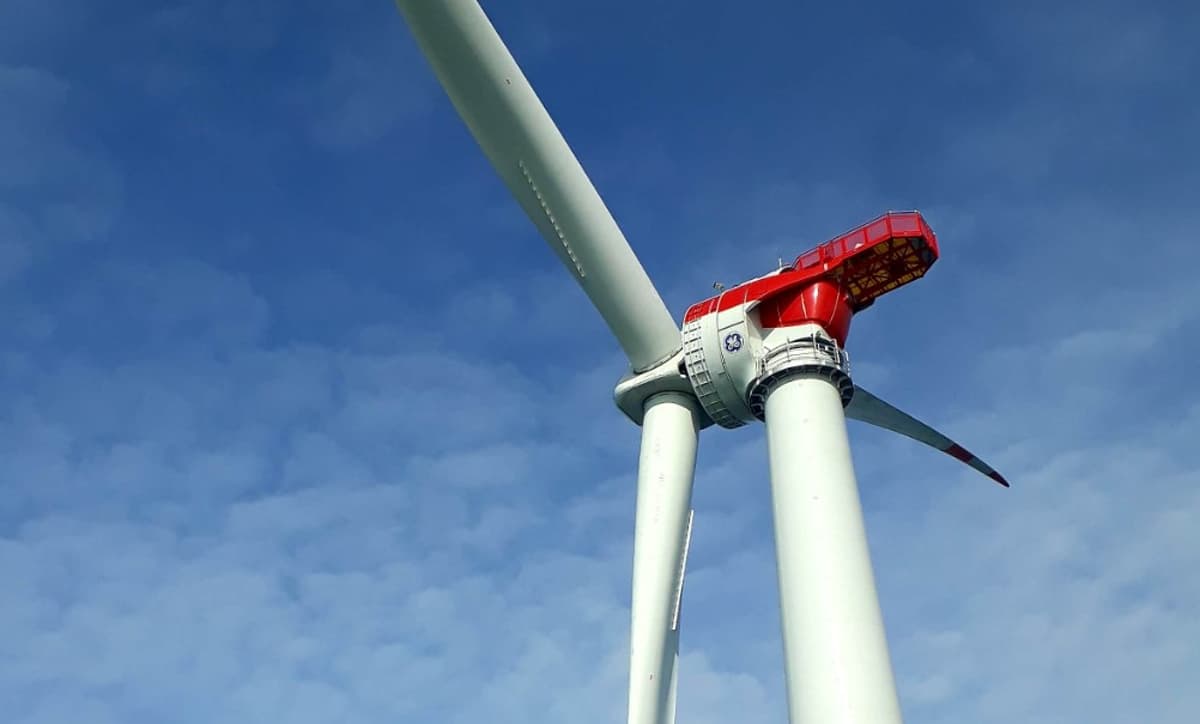
CNOOC Targets 40% Offshore Wind Capacity Ramp up in 2026
Why It Matters
The plan signals a decisive pivot by a major oil producer toward renewables, accelerating China’s offshore wind growth and supporting national carbon‑reduction objectives. It also reflects market confidence that wind economics now rival traditional fossil fuels.
Key Takeaways
- •CNOOC aims 3.5 GW offshore wind by 2026
- •Capacity increase equals 40 % growth year‑over‑year
- •Partnership with Ming Yang provides advanced turbine models
- •Near‑shore wind now cost‑competitive with coal
- •Offshore wind helps meet China's 2035 renewable target
Pulse Analysis
CNOOC’s 2026 offshore wind target marks a watershed moment for China’s energy transition. Historically anchored in oil and gas, the state‑owned producer is reallocating capital toward clean power as domestic oil demand plateaus and global price volatility erodes margins. By committing to 3.5 GW—up 40% from its current base—CNOOC not only diversifies its portfolio but also signals to investors that large‑scale renewables are now a core business line, reinforcing the credibility of China’s broader decarbonisation roadmap.
The economics driving this shift are compelling. Over the past few years, turbine costs have fallen sharply, and supply‑chain efficiencies have narrowed the levelized cost of energy (LCOE) for near‑shore wind to rival that of coal‑fired plants. CNOOC’s partnership with Ming Yang Smart Energy brings next‑generation turbine technology, boosting capacity factors and reducing installation timelines. These advances lower upfront capital requirements and improve project risk profiles, making offshore wind an attractive asset class for state‑backed financiers and private investors alike.
On a macro level, CNOOC’s expansion contributes to China’s cumulative offshore wind capacity of 47 GW, a critical component of the nation’s pledge to double wind and solar output by 2035. The added capacity helps fill nighttime generation gaps left by solar, moving the grid toward 24‑hour renewable coverage. Moreover, as other oil majors emulate this strategy, the cumulative effect could reshape global energy markets, accelerating the decline of coal and reinforcing China’s position as a leader in clean‑energy deployment.
CNOOC targets 40% offshore wind capacity ramp up in 2026


Comments
Want to join the conversation?
Loading comments...