Coal Is Fueling China’s Next Energy Power Play
Companies Mentioned
Why It Matters
The move revives global coal demand and reshapes the energy‑security landscape, challenging net‑zero pathways while giving China and India a strategic advantage in domestic feedstock production.
Key Takeaways
- •China's coal‑to‑chemicals consumes 380 million tons of coal yearly
- •India plans $4 billion investment to launch coal‑to‑chemicals
- •PetroChina targets 30 billion m³ rock‑gas output by 2035
- •Coal‑to‑chemicals stocks jumped 30% between February and March
- •India aims to convert 75 million tons of coal by 2030
Pulse Analysis
The resurgence of coal as a feedstock reflects a broader re‑pricing of energy inputs after the Middle East war drove oil and gas to historic highs. With natural‑gas supplies constrained, Asian utilities and petrochemical firms are turning to abundant domestic coal to produce synthetic gas, fertilizers, and plastics. This pivot not only cushions price volatility but also reduces reliance on volatile import markets, a priority for both China and India as they seek to insulate their economies from geopolitical shocks.
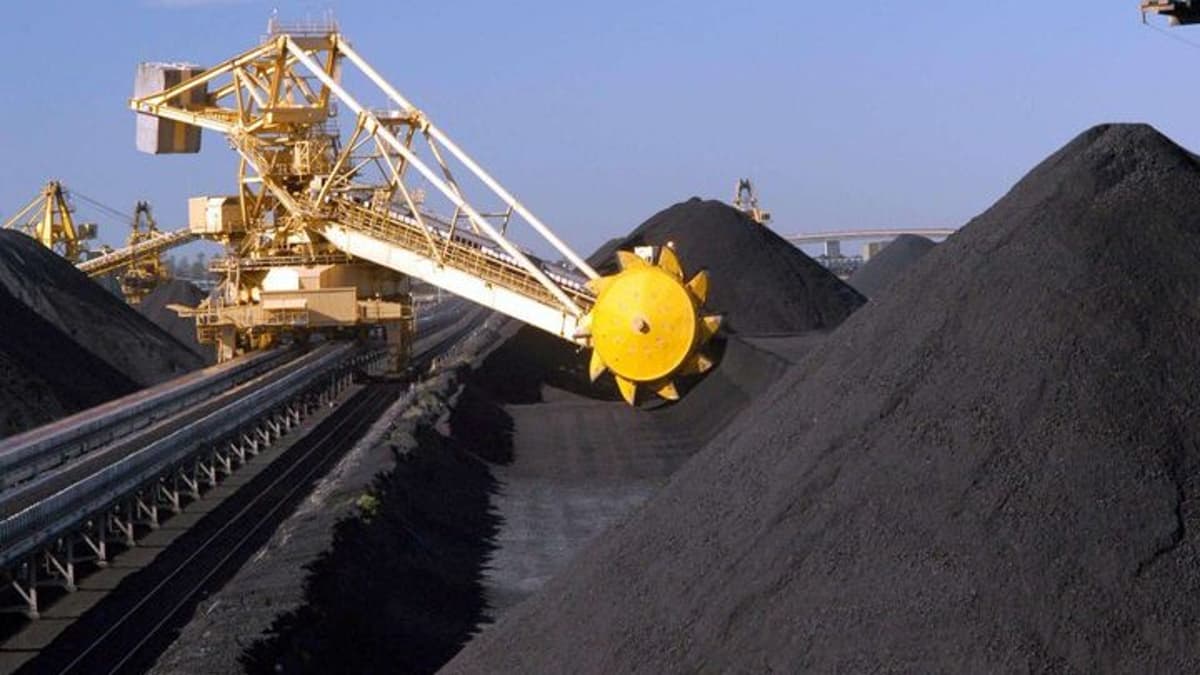
China leads the transformation, leveraging two decades of R&D in coal‑to‑chemicals and rock‑gas extraction. PetroChina’s ambitious plan to extract 30 billion cubic meters of gas from coal seams by 2035 mirrors shale‑gas techniques, positioning the country as the sole user of hydraulic fracturing for rock‑gas. The sector now consumes roughly 380 million tons of coal annually—enough to rank it as the world’s third‑largest coal consumer if it were a nation—fueling a 30% rally in related equities and reinforcing the strategic value of coal‑derived chemicals.
India’s $4 billion push to emulate China’s model highlights both opportunity and risk. While abundant coal reserves can offset the nation’s 80% oil‑import dependence, differences in coal quality and a shorter technology learning curve could limit scalability. The government’s target of converting 75 million tons of coal into fertilizers and plastics by 2030 aims to cut the import bill, yet the initiative may clash with global decarbonisation goals. Investors and policymakers must weigh the short‑term security gains against long‑term climate commitments as Asia’s coal‑to‑chemicals wave gathers momentum.
Coal Is Fueling China’s Next Energy Power Play
Comments
Want to join the conversation?
Loading comments...