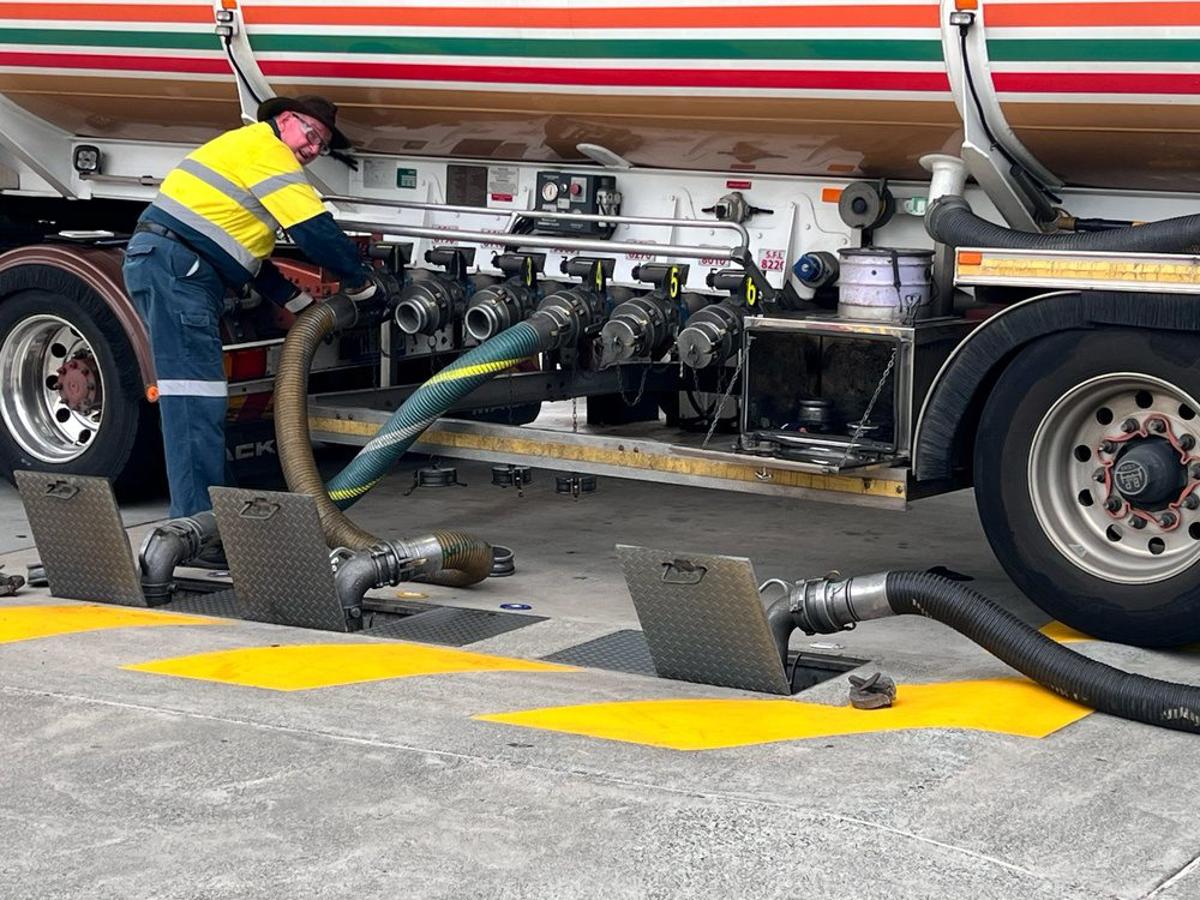
Coalition Would Boost Australia’s Fuel Reserve to 60 Days
Why It Matters
Boosting fuel reserves shields regional economies and critical industries from global supply shocks, reinforcing Australia’s economic stability and energy independence.
Key Takeaways
- •Coalition aims for 60‑day fuel reserve, adding 1 billion litres storage.
- •$800 million facility focuses on diesel for regional and farming needs.
- •Current reserves far below 90‑day international requirement.
- •Estimated price impact: +1 cent per litre for 60‑day reserve.
- •Government’s 90‑day target projected to cost $20 billion over four years.
Pulse Analysis
Australia’s fuel security has become a pressing political issue as the nation grapples with supply constraints that have left petrol, diesel and jet fuel reserves well below the 90‑day benchmark set by international guidelines. With current stocks covering roughly 44 days of gasoline, 33 days of diesel and 30 days of aviation fuel, the country remains vulnerable to disruptions in global markets, especially given recent geopolitical tensions that have rattled oil flows through the Middle East and the Strait of Hormuz.
The opposition coalition’s proposal seeks to bridge this gap by expanding the national reserve to 60 days, backed by a $800 million Fuel Security Facility that would add at least one billion litres of storage, primarily targeting diesel—a lifeline for regional transport, agriculture and logistics. While the plan promises a modest price increase of about one cent per litre, it positions Australia to better weather future crises without relying heavily on overseas supply lines. In contrast, the incumbent government’s roadmap to a full 90‑day reserve carries a $20 billion price tag over four years, highlighting the fiscal trade‑offs policymakers must balance against national resilience.
Beyond domestic policy, the initiative dovetails with Australia’s broader energy diplomacy, as Foreign Minister Penny Wong engages Asian counterparts to secure refined fuel imports and coordinate responses to market volatility. Strengthening reserves not only cushions the domestic economy but also signals to trading partners that Australia is proactive in mitigating supply chain risks. As fuel prices remain a sensitive barometer for consumer confidence, a more robust reserve could stabilize markets, protect regional businesses, and sustain growth amid an uncertain global energy landscape.
Coalition would boost Australia’s fuel reserve to 60 days
Comments
Want to join the conversation?
Loading comments...