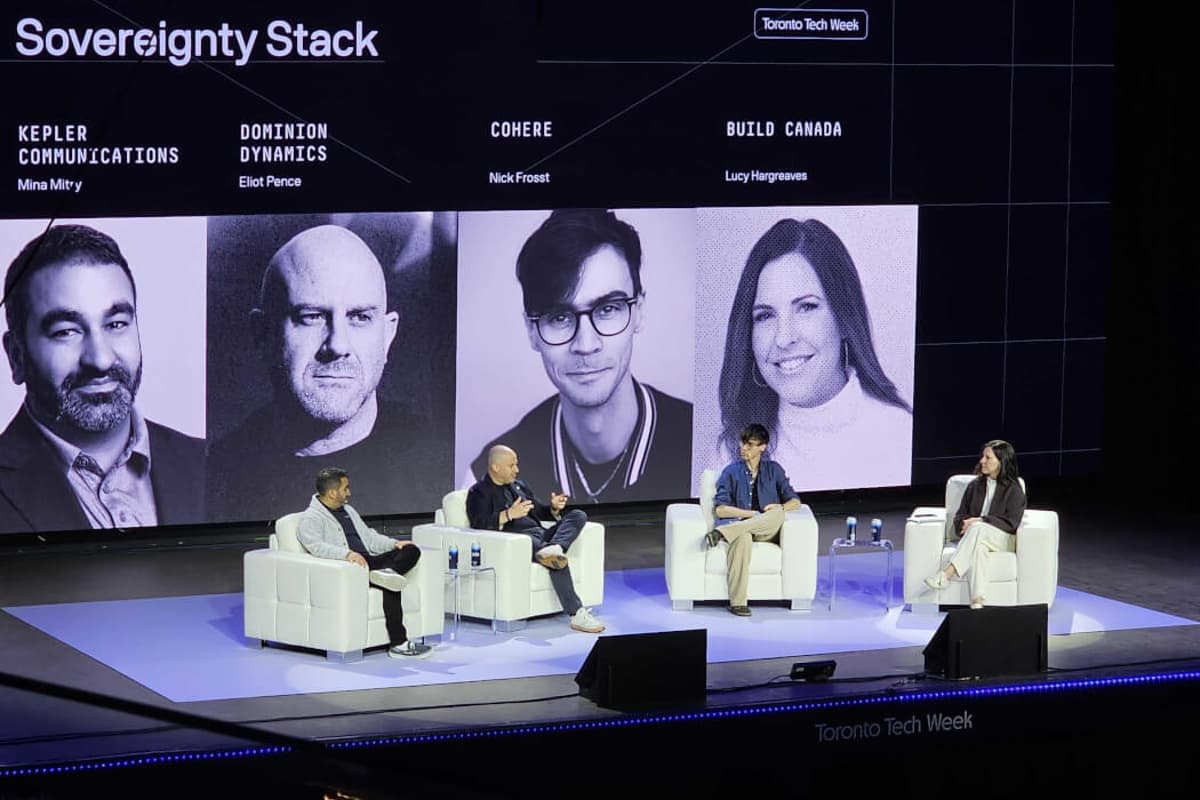
Cohere’s Nick Frosst Thinks Canadian Energy Can Be “100 Percent” Renewables
Companies Mentioned
Why It Matters
Accelerating nuclear deployment would secure low‑carbon baseload power, supporting Canada’s climate targets and the data‑intensive AI sector that drives economic sovereignty. It also signals where future infrastructure investment and policy focus may shift.
Key Takeaways
- •Frosset calls for more nuclear plants to achieve 100% renewables
- •Canada’s grid is 55% nuclear, 85% renewable today
- •Small modular reactors slated for Ontario by 2030
- •AI growth is boosting Canada’s electricity demand
- •Federal plan to double grid capacity by 2050
Pulse Analysis
Canada’s electricity landscape is at a crossroads. While the country already derives more than half of its power from nuclear sources and nearly 85 percent from renewable generation, the mix still relies heavily on fossil‑fuel imports and aging infrastructure. Small modular reactors (SMRs) are being touted as a pragmatic bridge, offering scalable, low‑carbon baseload without the lengthy construction timelines of traditional plants. Ontario’s upcoming SMR, slated for 2030, exemplifies a broader provincial push to modernize the grid ahead of the federal goal to double capacity by mid‑century.
The surge in artificial‑intelligence workloads, exemplified by firms like Cohere, is reshaping Canada’s energy calculus. AI models demand massive compute power, translating into higher electricity consumption that must be met with reliable, affordable energy. Nuclear’s consistent output makes it an attractive complement to intermittent wind and solar, ensuring that AI‑driven enterprises can operate without costly outages. Frosset’s argument ties energy independence to technological sovereignty, suggesting that a robust nuclear backbone could keep Canadian AI development domestically competitive.
However, policy signals remain mixed. Although the government’s electricity strategy emphasizes clean projects, it simultaneously green‑lights new oil pipelines, potentially diluting the renewable share. Moreover, total nuclear generation has slipped since 2016, underscoring the need for decisive investment. Stakeholders—from provincial regulators to private investors—must reconcile these contradictions to deliver a coherent path toward a fully renewable grid, balancing climate commitments with the growing power appetite of the digital economy.
Cohere’s Nick Frosst thinks Canadian energy can be “100 percent” renewables
Comments
Want to join the conversation?
Loading comments...