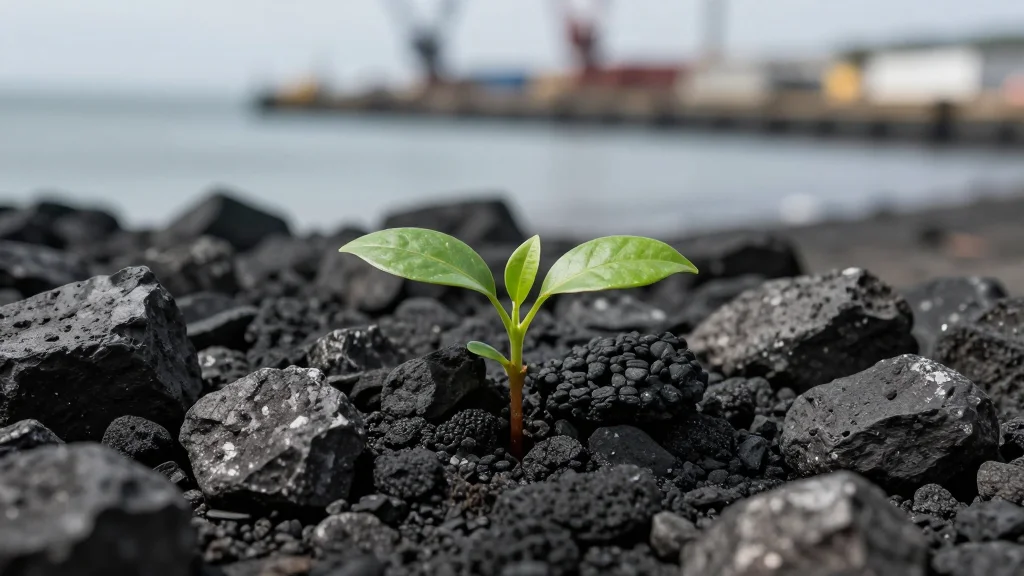
Colombia and Netherlands Host Santa Marta Summit to Accelerate Fossil‑Fuel Phase‑Out

Why It Matters
The Santa Marta summit marks the first large‑scale diplomatic effort to tackle fossil‑fuel production directly, moving the conversation beyond emissions reductions to the supply side of the energy system. By convening producers, consumers, and financiers, the conference could reshape global coal, oil and gas markets, accelerating the decline of carbon‑intensive exports and prompting investment in renewable infrastructure. For Colombia, the event tests the government’s credibility in balancing climate leadership with the economic importance of its coal port, while for the Netherlands it reinforces its role as a European champion of the energy transition. If the dialogue translates into concrete financing mechanisms and policy tools, developing countries could gain the resources needed to replace imported fossil fuels with locally sourced renewables, reducing geopolitical dependence on volatile oil markets. Conversely, a failure to secure funding or consensus could entrench existing fossil‑fuel interests and delay the decarbonization timeline, undermining global climate targets.
Key Takeaways
- •Colombia and the Netherlands co‑hosted the first Conference on Transitioning Away from Fossil Fuels in Santa Marta.
- •More than 50 countries participated in the two‑day summit to discuss phasing out coal, oil and gas.
- •Environment Minister Irene Vélez Torres called the meeting a moment for ambition to become action.
- •Netherlands minister Stientje van Veldhoven highlighted financing as critical for a global transition.
- •U.S. and China did not send delegations, reflecting divergent views on the energy transition.
Pulse Analysis
The Santa Marta summit signals a strategic shift in climate diplomacy: moving from abstract emissions pledges to concrete supply‑side actions. Historically, international climate talks have skirted the politically sensitive issue of fossil‑fuel production, focusing instead on demand‑side measures. By confronting the coal export hub head‑on, Colombia is attempting to rebrand its energy sector while preserving economic stability. This dual narrative—promoting a just transition domestically while courting international support—mirrors the broader challenge facing many resource‑rich nations.
From a market perspective, the summit could accelerate the decline of coal demand, especially as European buyers increasingly favor greener imports. If financing mechanisms discussed at Santa Marta materialize, they may unlock billions in capital for renewable projects in the Global South, reshaping investment flows away from traditional hydrocarbon projects. However, the absence of the United States and China—two of the largest fossil‑fuel consumers—highlights a geopolitical fault line. Their non‑participation may limit the summit’s ability to influence global supply chains, but it also underscores the growing urgency among smaller economies to act independently of the major emitters.
Looking forward, the real test will be whether the political momentum generated in Santa Marta translates into actionable policies at COP‑30 and beyond. Successful financing deals or pilot projects emerging from the conference could set a precedent for future supply‑side climate initiatives, while a lack of tangible outcomes may reinforce skepticism about the efficacy of ad‑hoc summits outside the UN framework.
Colombia and Netherlands Host Santa Marta Summit to Accelerate Fossil‑Fuel Phase‑Out
Comments
Want to join the conversation?
Loading comments...