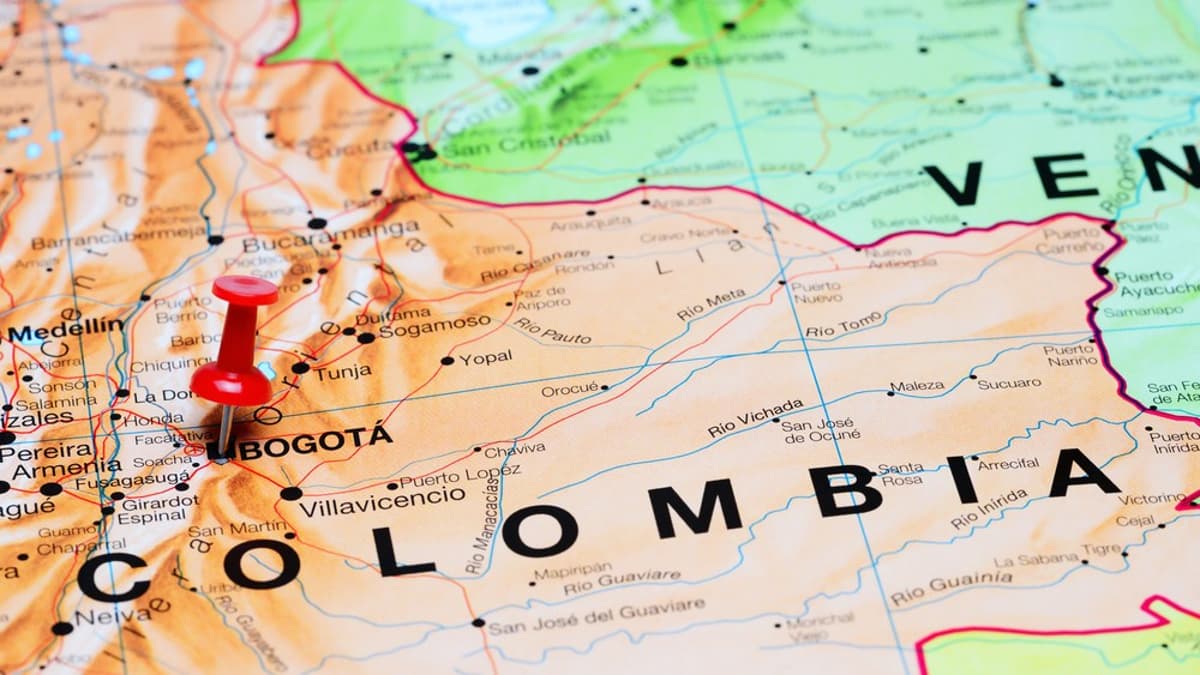
Colombia’s Oil Industry Faces a Defining Election in 2026
Companies Mentioned
Why It Matters
The election outcome will shape Colombia’s energy policy, directly affecting foreign investment, fiscal health, and the risk of an emerging energy crisis in a debt‑laden economy.
Key Takeaways
- •Oil output fell to 740,497 bpd, below 2016 levels
- •Right‑wing candidates pledge new contracts and fracking
- •Cepeda leads polls, likely to maintain Petro’s low‑oil policies
- •LNG imports now supply over 20% of Colombia’s fuel mix
- •Natural‑gas output hits decade low, heightening energy‑crisis risk
Pulse Analysis
Colombia’s 2026 presidential election has become a referendum on the country’s energy future. Over the past four years, Petro’s administration imposed a moratorium on new hydrocarbon contracts, raised extraction taxes and attempted to outlaw fracking, driving oil production down to 740,497 barrels per day—well below the 917,210 barrels per day recorded a decade earlier. The decline has eroded the nation’s primary export, which generated roughly US$12.5 billion in 2025, and forced a growing reliance on imported liquefied natural gas, now covering more than one‑fifth of the nation’s fuel mix.
Right‑wing candidates Abelardo de la Espriella and Paloma Valencia are betting on a rapid reversal of Petro’s policies. Both propose reopening exploration permits, legalizing fracking, and leveraging the oil sector to achieve 7 % annual GDP growth. Their platforms also promise heightened security for remote extraction sites, a factor that could attract multinational investors wary of Colombia’s historic conflict zones. If either wins, the regulatory environment could shift dramatically, unlocking capital for new drilling projects and potentially restoring production toward the one‑million‑barrel‑per‑day target championed during the Uribe era.
Conversely, a victory for Iván Cepeda would likely sustain the gradual transition toward renewables, maintaining low‑oil output and continuing the current trajectory of natural‑gas decline. While this aligns with global decarbonization trends, it raises immediate concerns about fiscal pressure, inflation—currently at 5.68 %—and grid reliability as domestic gas supplies dwindle. Stakeholders, from energy firms to financial institutions, must monitor the election closely, as policy direction will dictate Colombia’s ability to balance climate ambitions with the urgent need for energy security and economic stability.
Colombia’s Oil Industry Faces a Defining Election in 2026
Comments
Want to join the conversation?
Loading comments...