Combined Demand Among All Utilities Touched 31k MW
Why It Matters
The surge underscores mounting pressure on Maharashtra’s power grid and accelerates the shift toward renewable sources, influencing investment and policy decisions in India’s energy sector.
Key Takeaways
- •MSEDCL hit a new peak of 27,230 MW in 2026.
- •Statewide combined demand reached 31,000 MW, stressing grid capacity.
- •Solar programme MSKVY 2.0 cuts thermal reliance for agricultural feeders.
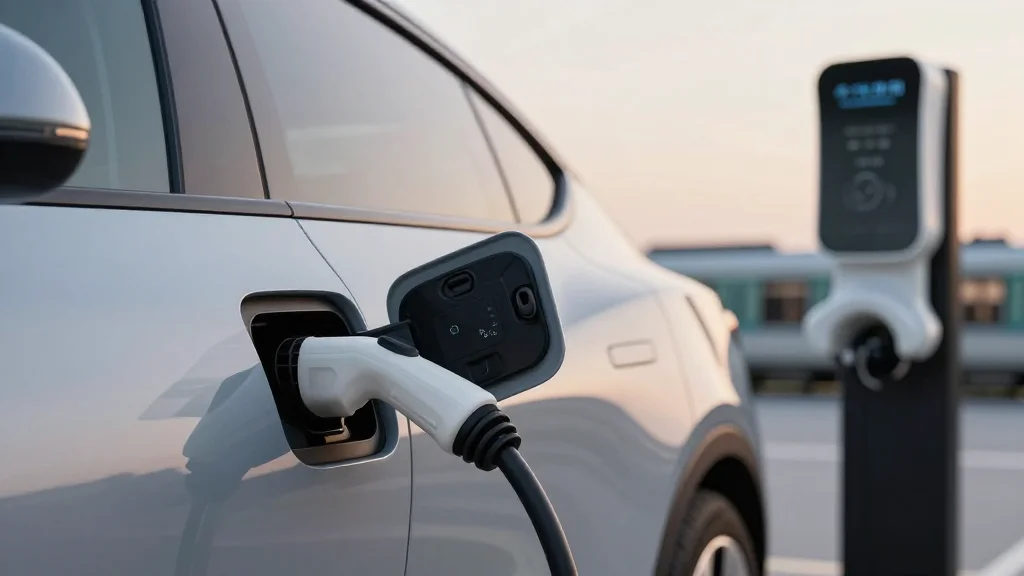
- •Mumbai’s demand surpassed 3,500 MW, driven by EV chargers and metros.
- •Experts warn further spikes as electric mobility expands.
Pulse Analysis
India’s power landscape is entering a critical inflection point as Maharashtra, the country’s most populous state, pushes past 31 GW of combined utility demand. Historically, peak loads clustered around the summer months, but recent data shows sustained high consumption well beyond that window. This trend reflects broader economic activity, urbanization, and a growing appetite for electricity‑intensive services, positioning the state as a bellwether for national grid resilience.
A key driver of the evolving mix is the Mukhyamantri Saur Krushi Vahini Yojana (MSKVY 2.0), which aims to solarise agricultural distribution feeders. By injecting solar generation directly into the rural grid, the scheme trims thermal plant dispatch, curbing fuel costs and emissions. Utilities can now tap a diversified portfolio that includes daytime solar, reducing the need for costly peaker plants. Analysts view the program as a template for other Indian states seeking to balance reliability with climate commitments.
In Mumbai, the electricity surge is amplified by the rapid rollout of electric‑vehicle charging stations and the commissioning of new metro corridors. Each charging point adds a measurable load, while metro extensions demand high‑capacity traction power. Planners anticipate demand crossing the 4 GW threshold within the next two years, prompting calls for accelerated transmission upgrades and investment in storage solutions. Stakeholders—from independent power producers to infrastructure financiers—are closely watching how policy incentives and technology adoption will shape the next phase of India’s energy transition.
Combined demand among all utilities touched 31k MW
Comments
Want to join the conversation?
Loading comments...