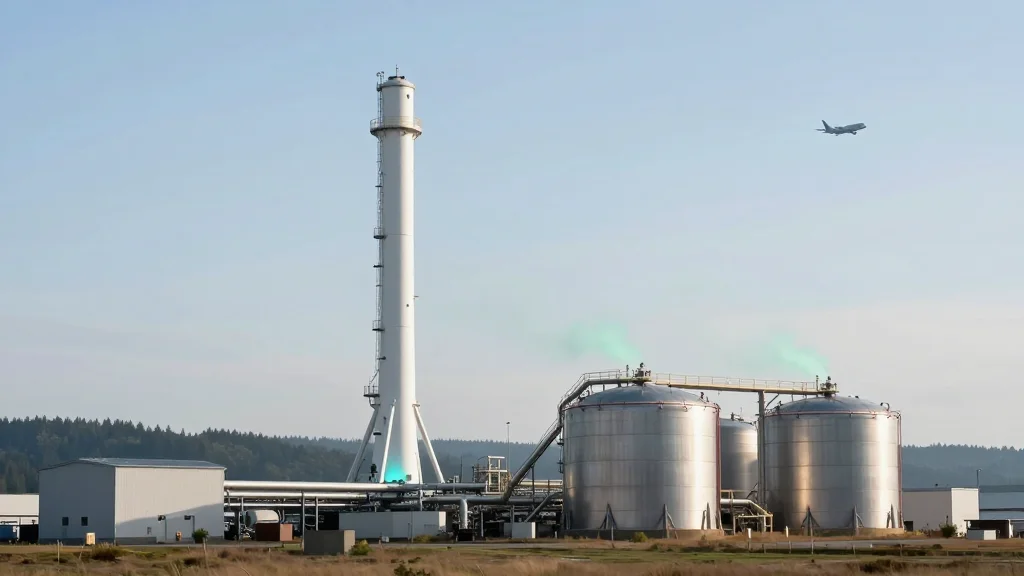
Commercial E-Fuels Plant Using Captured CO2 Starts Operations in US
Why It Matters
The plant marks the first large‑scale U.S. rollout of carbon‑neutral jet fuel, giving airlines a tangible path to decarbonize flights and offering tech firms a credible emissions‑offset product. Its success could accelerate broader adoption of synthetic fuels across aviation and industry.
Key Takeaways
- •AirPlant One targets 50,000 gallons of e‑SAF production annually
- •Alaska Airlines and Microsoft committed to buying the synthetic jet fuel
- •Microsoft invested in Twelve; Alaska backed the $645 million round
- •Green‑hydrogen naphtha used for CO₂‑based polymers with Mercedes‑Benz, Pangaia, P&G
Pulse Analysis
The launch of Twelve's AirPlant One signals a turning point for the emerging e‑fuel market in the United States. By capturing CO₂ directly from the atmosphere and pairing it with green hydrogen, the facility creates synthetic jet fuel that can be blended with conventional kerosene without modifying existing aircraft engines or fueling infrastructure. This technology addresses two critical barriers—feedstock availability and carbon accounting—making it easier for airlines to meet aggressive sustainability targets while offering a verifiable emissions‑reduction claim for corporate travelers.
Corporate demand is a key driver behind the project’s financing and off‑take agreements. Microsoft’s investment and its book‑and‑claim arrangement allow the tech giant to offset employee travel emissions, aligning with its broader climate‑neutrality goals. Meanwhile, Alaska Airlines’ purchase commitment provides a ready market for the fuel, helping the airline reduce its Scope 3 emissions and differentiate its brand in a competitive industry. The $645 million funding round, bolstered by strategic investors, underscores the growing confidence of capital markets in carbon‑negative fuel pathways.
Beyond aviation, Twelve’s green‑hydrogen naphtha is opening new avenues for circular chemistry. Partnerships with Mercedes‑Benz, Pangaia and Procter & Gamble demonstrate how CO₂‑derived polymers can replace petroleum‑based feedstocks in high‑value consumer products. As regulatory frameworks tighten and consumer pressure mounts, such cross‑sector collaborations could accelerate the scale‑up of e‑fuel technologies, driving down costs and expanding the market beyond niche applications. The success of AirPlant One may therefore serve as a blueprint for future facilities, catalyzing a broader shift toward carbon‑neutral fuels across transportation and manufacturing.
Commercial e-fuels plant using captured CO2 starts operations in US
Comments
Want to join the conversation?
Loading comments...