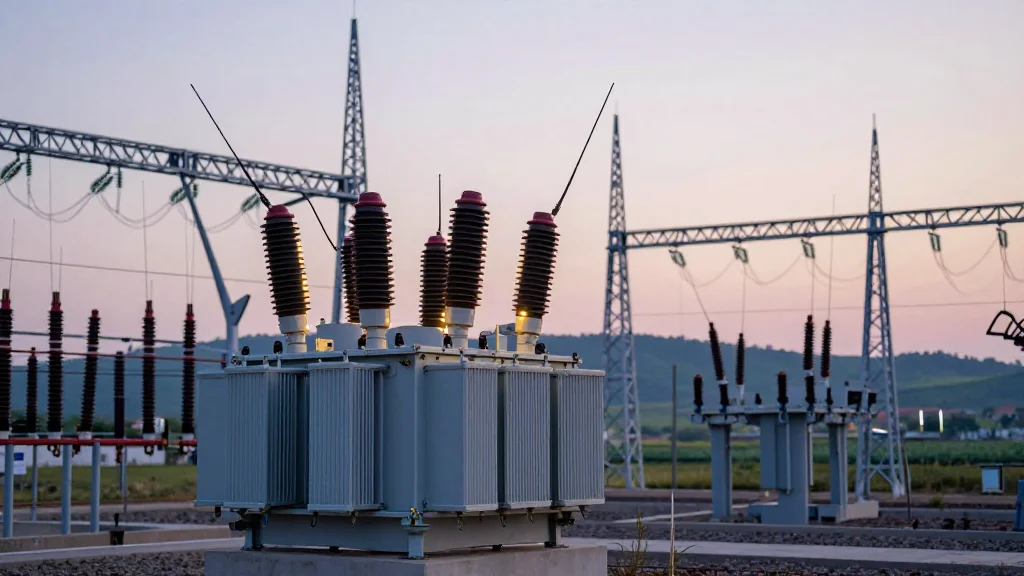
Community Trust Powers Energy Growth in the United States
Why It Matters
The strategy shows how utilities can fund massive infrastructure upgrades, mitigate opposition, and support the United States’ AI and advanced‑manufacturing expansion, delivering tangible economic benefits to the communities they serve.
Key Takeaways
- •Duke Energy commits $103B capital spend over five years.
- •Trust-building via early community engagement drives project approvals.
- •Data centers, e.g., Amazon's $10B NC site, funded by Duke Energy.
- •Large customers bear infrastructure costs through minimum bills, penalties.
- •Strategy aims to boost U.S. AI and manufacturing competitiveness.
Pulse Analysis
The United States is experiencing a convergence of manufacturing renaissance, artificial‑intelligence deployment, and population influx, especially in the Southeast and Midwest. Utilities, traditionally seen as slow‑moving, are now under pressure to expand capacity quickly and cost‑effectively. Duke Energy’s $103 billion five‑year plan represents the largest regulated capital outlay among U.S. utilities, signaling a shift toward aggressive asset modernization and new generation projects that can keep pace with the nation’s evolving energy profile.
Central to Duke’s approach is the emphasis on community trust and early stakeholder dialogue. Large‑scale data‑center developers, such as Amazon’s $10 billion investment in Richmond County, North Carolina, rely on utilities that can navigate local permitting and public sentiment. By involving residents and officials at the outset, Duke reduces the risk of costly delays. Contractual mechanisms—minimum bill commitments and termination penalties—ensure that the customers driving demand shoulder the associated infrastructure costs, preserving rate stability for the broader customer base while delivering high‑paying jobs and tax revenue to host communities.
Beyond individual projects, this model has strategic implications for U.S. competitiveness in AI and advanced manufacturing. While some nations pursue rapid construction by cutting corners, Duke argues that transparent, community‑backed development yields safer, more resilient infrastructure and sustains public confidence. The blend of speed, disciplined investment, and trusted local partnerships positions utilities as essential enablers of the next chapter of American economic growth, reinforcing the country’s leadership in technology‑intensive industries.
Community trust powers energy growth in the United States
Comments
Want to join the conversation?
Loading comments...