ConocoPhillips Gets Norway’s Blessing to Restart Greater Ekofisk Fields
Companies Mentioned
Why It Matters
The approval unlocks low‑cost, incremental production using existing infrastructure, strengthening Europe’s gas supply and enhancing ConocoPhillips’ long‑term presence in the North Sea.
Key Takeaways
- •Approval enables redevelopment of three offshore fields via subsea tie‑back.
- •11 new wells aim to recover 90‑120 million barrels oil‑equivalent.
- •First gas output scheduled for Q4 2028, boosting European supply.
- •ConocoPhillips holds 35.1% stake in two fields, 28.3% in third.
Pulse Analysis
Norway’s offshore sector has long relied on the Ekofisk Complex as a hub for North Sea production. By repurposing existing platforms and pipelines, the country can extract additional resources without the capital intensity of greenfield projects. This approach aligns with Europe’s broader strategy to secure stable gas supplies while keeping development costs in check, especially as the continent balances a transition toward renewables with near‑term energy security needs.
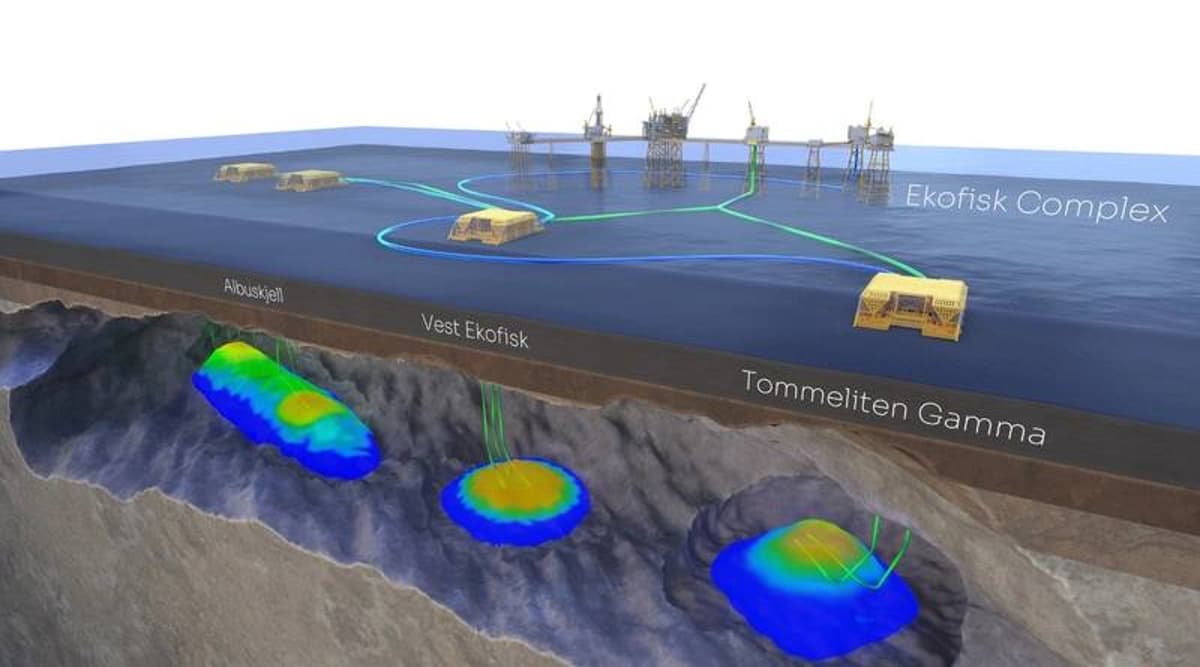
The Greater Ekofisk PPF project brings together ConocoPhillips, Vår Energi, Orlen Upstream Norway and state‑owned Petoro under a shared‑risk model. Eleven new wells will be drilled from four subsea templates, feeding a common pipeline that ties back to the mature Ekofisk Complex. The estimated 90‑120 million barrels of oil‑equivalent recovery represents a modest but valuable uplift, extending the productive life of fields that have already delivered decades of output. Production is targeted for the fourth quarter of 2028, giving partners time to align financing, secure equipment, and integrate the new flow into existing export routes.
For the European gas market, the project adds a reliable source of North Sea gas at a time when supply diversification is paramount. ConocoPhillips’ 35.1% and 28.3% stakes underscore its commitment to the region and provide a platform for future incremental developments. The low‑cost nature of the tie‑back could translate into competitive pricing for downstream buyers, while also delivering steady cash flow that supports the company’s broader portfolio amid volatile oil prices. In the context of the energy transition, such marginal‑increment projects illustrate how legacy assets can be leveraged to meet short‑term demand without compromising long‑term decarbonization goals.
ConocoPhillips Gets Norway’s Blessing to Restart Greater Ekofisk Fields
Comments
Want to join the conversation?
Loading comments...