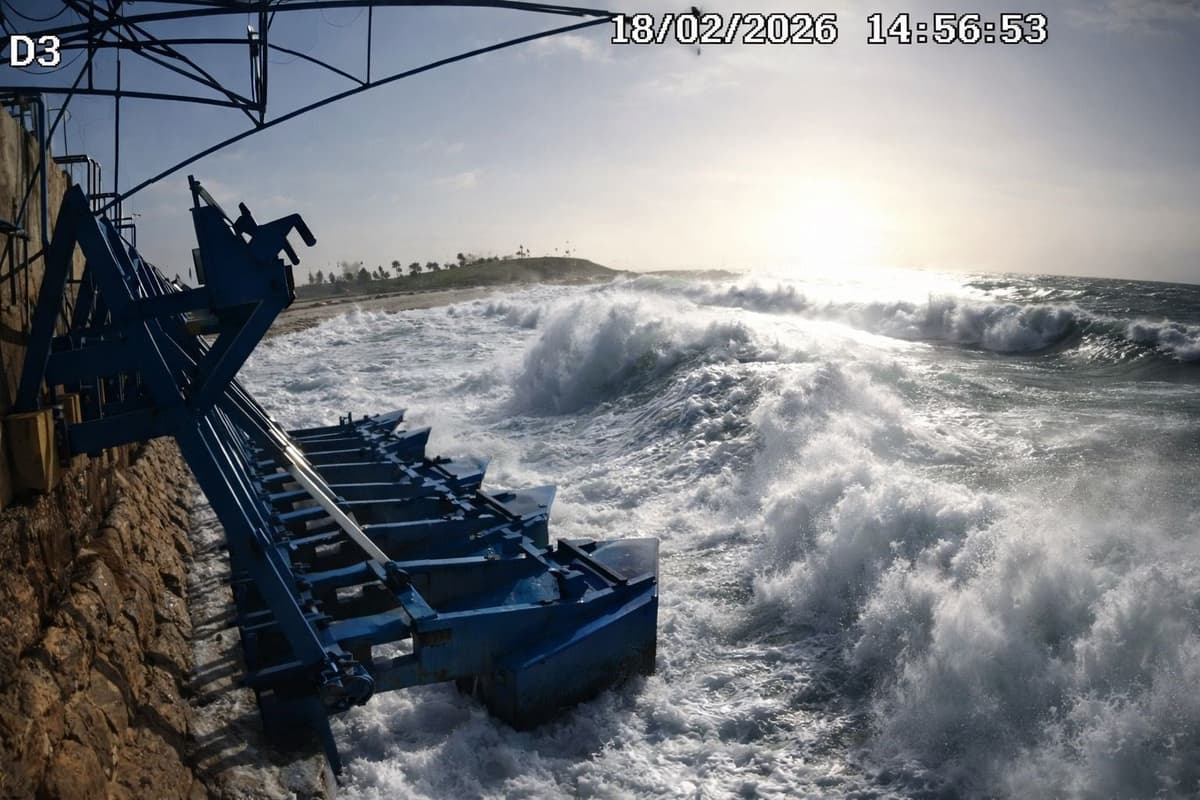
Consortium Eyes Next-Gen AI-Powered Wave Energy Infrastructure
Companies Mentioned
Why It Matters
As AI models consume ever‑greater power, coupling wave energy with smart controls could provide a sustainable, on‑site power source for coastal data centers, reducing grid strain and carbon emissions.
Key Takeaways
- •Eco Wave Power partners with FAU and Michigan on AI‑driven wave projects
- •WaveGPT platform uses predictive analytics and digital twins for turbine optimization
- •Grant proposal targets wave‑powered coastal data centers with intelligent cooling
- •Initiative aims to meet rising AI electricity demand with renewable wave energy
- •NVIDIA GTC showcases Eco Wave tech, raising profile among AI firms
Pulse Analysis
Artificial intelligence is emerging as one of the fastest‑growing electricity consumers, with data‑center demand projected to double by 2035. Renewable sources that can deliver power close to the point of use are therefore becoming strategic assets. Eco Wave Power, a pioneer in converting ocean motion into electricity, is leveraging its Israeli wave‑farm portfolio to explore maritime‑based power for the AI economy. By teaming with Florida Atlantic University and the University of Michigan, the consortium blends marine engineering with cutting‑edge AI research, positioning wave energy as a viable complement to solar and wind in coastal regions.
The first deliverable, WaveGPT, transforms real‑time sensor streams from wave turbines into actionable insights using predictive analytics, anomaly detection and digital‑twin simulations. Operators can forecast wave conditions, schedule maintenance and fine‑tune blade angles, driving capacity factors upward by several percentage points. The platform’s AI core was highlighted during NVIDIA’s GTC keynote, underscoring its relevance to high‑performance computing and simulation workloads. By embedding intelligence directly into the energy asset, Eco Wave aims to lower operational costs and improve reliability, two critical metrics for utilities considering renewable integration.
The second track envisions a wave‑powered coastal data‑center that couples generation with seawater‑assisted cooling, on‑site storage and AI‑driven workload orchestration. Such a self‑contained hub could serve edge‑computing nodes, reducing latency for AI inference while shaving megawatts of grid‑draw. Grant applications to the U.S. Department of Energy and private foundations are pending, but the concept aligns with federal clean‑energy goals and the industry’s push for resilient, off‑grid compute sites. If realized, the model would create a new category of renewable‑backed digital infrastructure, potentially reshaping how tech firms site future AI clusters.
Consortium eyes next-gen AI-powered wave energy infrastructure
Comments
Want to join the conversation?
Loading comments...