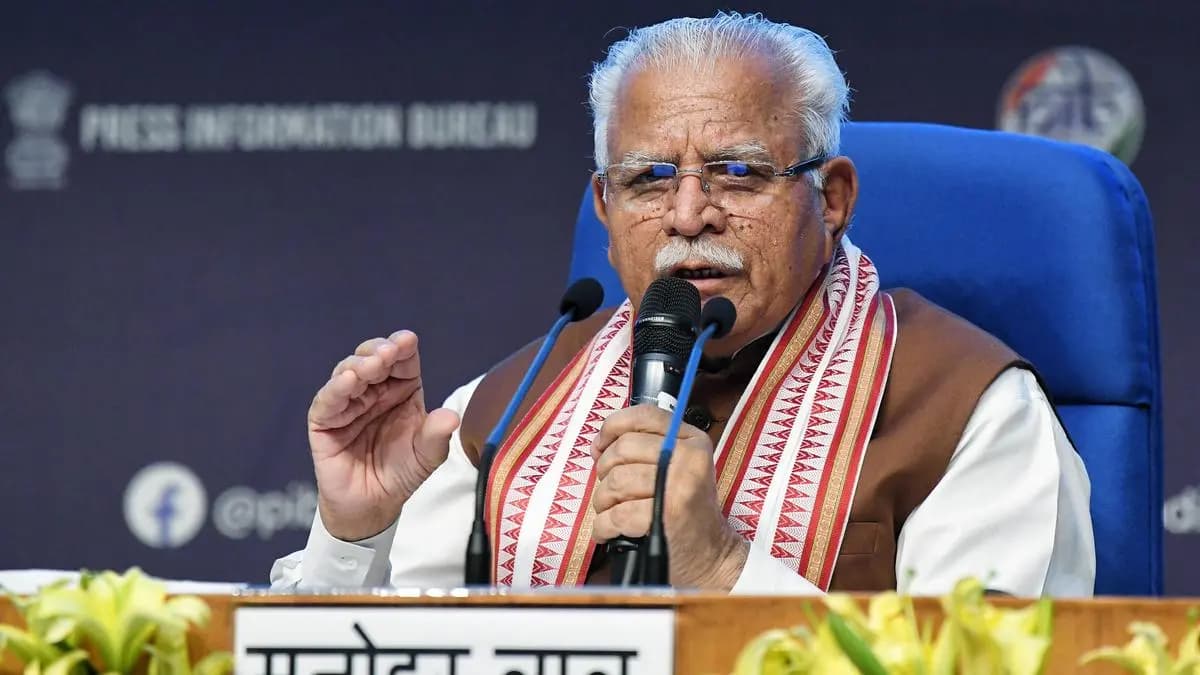
Consultative Committee on Power Underscores Grid Stability as RE Push Exacerbates Transmission Woes
Why It Matters
Grid stability underpins India’s energy security and its ability to meet ambitious clean‑energy goals; delays in transmission infrastructure risk derailing billions of dollars in renewable investments.
Key Takeaways
- •India lost 34 GWh of clean power on 30 Mar 2026.
- •Q1 2026 curtailment: 300 GWh due to transmission limits.
- •FY26 added 12,139 km of lines, 20% below target.
- •Target revised to 15,382 km, down from 24,400 km.
- •Over 35 GW of RE capacity at risk for FY27.
Pulse Analysis
India’s renewable surge is outpacing the expansion of its transmission network, creating a classic bottleneck that threatens both reliability and investment returns. While the country added over 12,000 circuit km of lines in FY26, the figure falls short of the 15,382 km target and represents a 20% gap from the original 24,400 km plan. This shortfall has already manifested in tangible losses: 34 GWh of clean power vanished on a single day in March, and the first quarter saw 300 GWh of RE curtailment directly linked to transmission constraints. Such curtailments not only waste generation potential but also erode confidence among developers and financiers.
The Committee’s focus on grid resilience underscores the systemic risk of continued under‑investment. With 42 percent of transmission capacity still at 220 kV and 400 kV levels, the higher‑voltage corridors needed for large‑scale RE integration remain under‑utilized. Analysts estimate that more than 35 GW of renewable projects slated for FY27 could face curtailment or delayed commissioning without accelerated line construction and better grid access mechanisms. Policy levers such as streamlined right‑of‑way approvals, targeted bulk consumer placement near renewable hubs, and enhanced forecasting using automated weather stations are being discussed to close the gap.
Looking ahead, the path to a stable, low‑carbon grid will require a blend of infrastructure upgrades, advanced storage solutions, and dynamic reactive power support. Strengthening emergency restoration and black‑start capabilities can mitigate the impact of sudden outages, while investment in high‑voltage corridors will improve transmission efficiency. As India strives to meet its 2030 climate commitments, aligning transmission rollout with renewable rollout is not just a technical necessity but a strategic imperative for sustaining economic growth and attracting global capital.
Consultative Committee on Power underscores grid stability as RE push exacerbates transmission woes
Comments
Want to join the conversation?
Loading comments...