Contract with Shell’s JV Marks Strohm’s Entry Into Egypt
Companies Mentioned
Why It Matters
The contract signals rising demand for lightweight, high‑pressure composite pipelines in offshore energy, positioning Strohm as a viable alternative to steel and expanding its footprint in the fast‑growing Middle East market.
Key Takeaways
- •Strohm secures first Egyptian contract for 2,000‑meter TCP flowline
- •Flowline rated 5,000 psi, meets DNV‑ST‑F119 standard
- •Installation at 600 m depth replaces existing steel pipeline
- •First TCP solution of this type deployed in the region
- •Entry expands Strohm’s presence in Middle Eastern offshore market
Pulse Analysis
Composite pipelines are reshaping offshore infrastructure by offering lighter weight, higher corrosion resistance, and lower lifecycle costs compared with traditional steel. Industry analysts note that carbon‑fibre reinforced thermoplastic solutions can reduce installation time and enable deeper water deployments, a critical advantage as global offshore projects push beyond 500 meters. This technological shift aligns with broader sustainability goals, as composites generate less CO₂ during fabrication and require fewer maintenance interventions over a field’s lifespan.
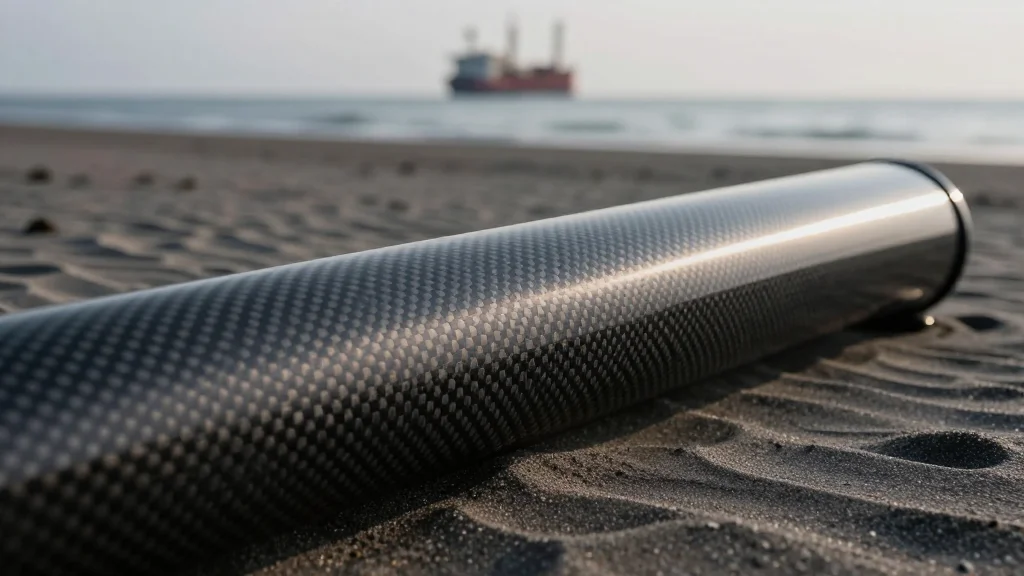
Strohm’s 2,000‑meter flowline for the West Delta Deep Marine project exemplifies that trend. Built from carbon‑fibre and PA12 polymer, the pipe meets the stringent DNV‑ST‑F119 standard and handles pressures up to 5,000 psi, making it suitable for Egypt’s high‑pressure gas transport. The contract, awarded by Burullus Gas Company—a joint venture of EGAS, Shell and Petronas—places the line at roughly 600 meters depth, where it will replace an aging steel segment. Oceaneering’s horizontal lay installation underscores the operational confidence in composite handling at such depths, while also highlighting the collaborative ecosystem of European manufacturers and local operators.
For Strohm, the Egyptian win is a strategic foothold in a market traditionally dominated by steel pipe suppliers. The Middle East’s offshore gas expansion, driven by rising domestic demand and export ambitions, creates a pipeline of opportunities for high‑performance TCP solutions. By demonstrating reliability in a challenging environment, Strohm can leverage this project to secure additional contracts across the region, potentially challenging incumbents like Tenaris and Vallourec. The success may also accelerate adoption of composite pipelines in other emerging offshore hubs, reinforcing the broader industry move toward lighter, more durable infrastructure.
Contract with Shell’s JV marks Strohm’s entry into Egypt
Comments
Want to join the conversation?
Loading comments...